
Scandinavian Interior Design: The Complete Guide to Scandi Style
Scandinavian interior design makes your home comfortable and attractive. It uses daylight, well-chosen furniture, practical storage, natural materials, and just enough color and texture to make a room feel lived in. You can include a white sofa or pale wood, but they are not required.
The simplest way to get this look is to tidy up your room before shopping for furniture. Take out anything that blocks movement, figure out where you need light, and pick furniture that makes good use of the space. If tidying feels like too much, check out the decluttering guide for tips for each room.
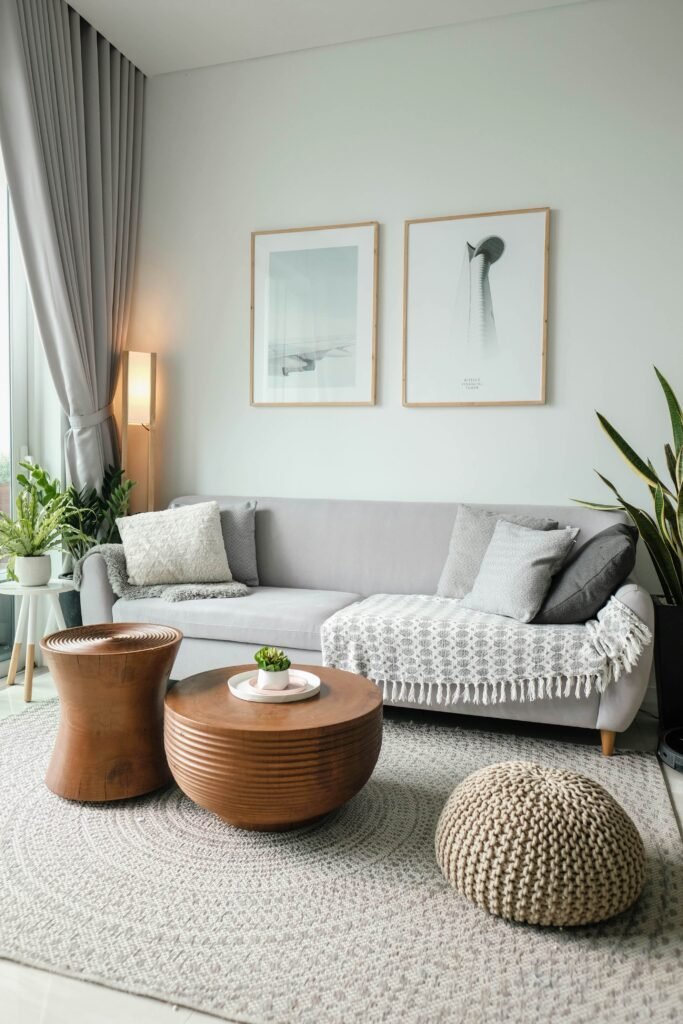
What is Scandinavian interior design?
In everyday homes, Scandi style is about simplicity, function, craftsmanship, and comfort. It comes from the design traditions of Denmark, Norway, and Sweden. The term ‘Nordic’ is broader and also includes Finland and Iceland. While many people picture a modern look, Scandinavian rooms can also mix painted furniture, graphic patterns, bold colors, and family heirlooms with clean lines. IKEA’s style guide also says that playfulness and bold patterns are part of the style.
Here, function really matters. The Danish Modern exhibition at Designmuseum Danmark shows how designers made useful objects with attention to form, materials, and how they were made. At home, a dining chair should stay comfortable long after the photo is taken, and a nice shelf should still hold your things.
You do not need to buy costly Danish classics to use these ideas. Just think about what you do in the room on a regular day. For example, a reading corner needs a lamp and a place for a cup, and a small hallway should have somewhere for wet shoes. Once you know what you need, you can decide on the style.
The five principles of a Scandi room
Think of this table as a set of design choices, not a shopping list. The color codes are just digital samples and are not official Scandinavian colors or guaranteed paint matches. Always check the real paint in your room’s light before buying.
| Principle | Decision that matters | A useful starting point | Example colour |
| Light | Let daylight work; add lamps where people read, cook or gather. | Keep the window area clear and use a floor or table lamp where the ceiling light leaves shadows. | Warm white #F4F1E9 |
| Wood | Choose a timber tone that relates to the floor and other large surfaces. | Try oak, ash, birch or pine in a visible piece; mixing tones is fine if one repeats. | Pale oak #C8AB83 |
| Textiles | Soften hard surfaces with layers you can wash, move or replace. | Add a rug of the right size, a linen or cotton curtain, and one wool or wool-look throw. | Oat #D8CCB8 |
| Colour | Use a calm base, then give the eye one deliberate accent. | Repeat a muted green, rust or blue in two or three places rather than scattering many unrelated shades. | Sage #A5B19D; clay #B9785D |
| Function | Let storage and circulation shape the plan. | Measure the walking route before buying another cabinet; leave space to open doors and drawers. | Charcoal detail #383B39 |
The pale colors in the table are just one option, not a rule. Darker walls can look great with pale wood and warm lighting. If every surface is light and smooth, the room might feel flat. Adding a textured rug, a matte ceramic bowl, or a dark picture frame can add more interest than another cream cushion.
Get the light right before changing the furniture
Begin by looking at your window during the times you use the room. Heavy furniture in front of the window can make a small room feel darker. Sheer curtains help reduce glare but keep the room bright. For bedrooms, you might need an extra opaque layer for sleeping. Mirrors can help, but place them so they reflect light or a nice view, not clutter.
After sunset, give your lamps three jobs. General lighting helps people move around safely. Task lighting shines on a book, desk, or counter. A small lamp can add a soft glow to a corner. You do not need fancy fixtures for this. For living rooms, warm-white bulbs around 2700–3000 K work well; the US Department of Energy lists these as common choices. Check the bulb’s brightness too, since a warm color does not help if the kitchen is still too dark.
Place the light switch where it is easy to reach. If you have to cross the room to turn on the lamp by your reading chair, you probably will not use the chair as much.
Use wood and texture with a little restraint
Light wood is common in Scandinavian homes because it adds warmth without making furniture look heavy. Birch and ash are pale, oak ranges from light to honey-colored, and pine often has knots. Compare wood samples with your floor in daylight, since matching wood exactly is hard and can make a room look flat. It is more important to keep the same undertone than to use the same wood type.
Look at how furniture is made, not just how it looks. Solid wood can be fixed if needed, but it may change with humidity and is often more expensive. A good veneer is a smart choice for wide, stable surfaces. Painted and second-hand furniture also fit in a Scandi room if their size and finish work. Do not buy new pieces just to make everything look the same.
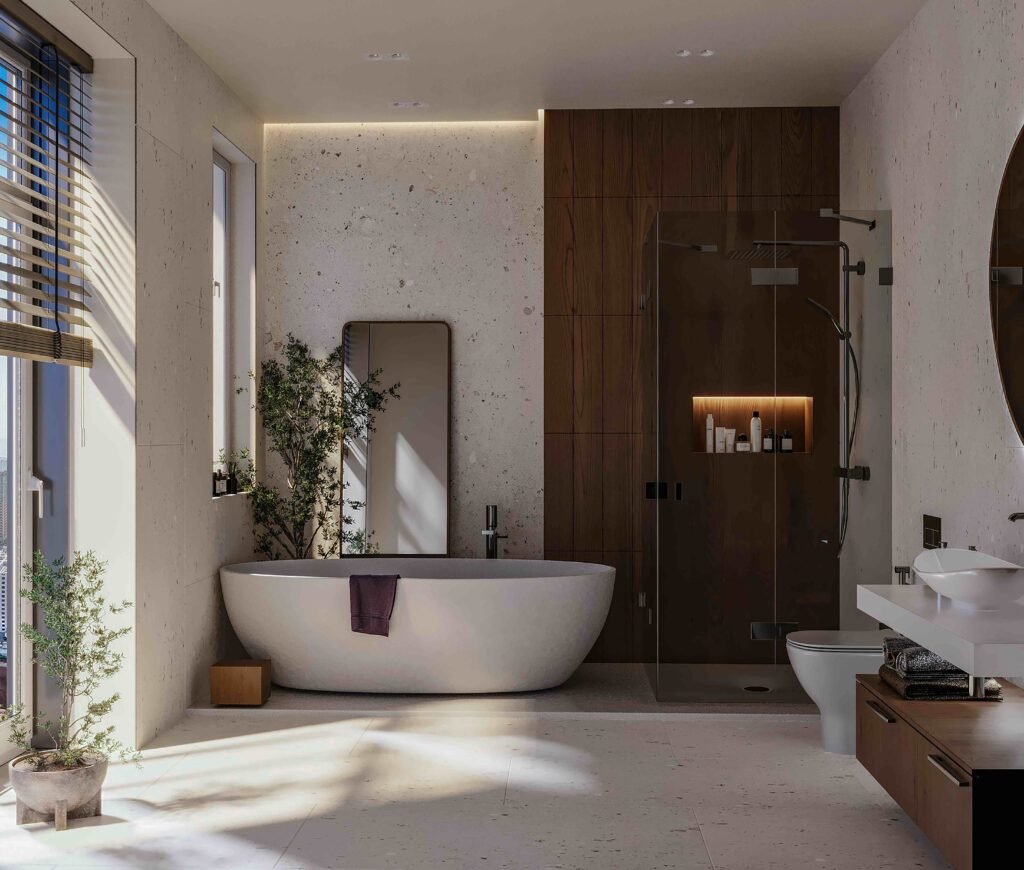
Textiles add things that hard materials cannot. Curtains help reduce echoes, a rug brings a seating area together, and a washable cover makes a chair easier to use. Size is important: a small rug in front of a sofa can make the furniture look separate. Measure your seating area first. IKEA’s rug guide suggests using a rug longer than the sofa for a unified look. If that size is too expensive, it is better to wait than to buy a rug that is too small.
Plan the room around what you do there
Living room: Begin with the seating and how people face each other. Can everyone talk without twisting around? Is there a spot for a drink near each seat? Make sure the sofa and chairs have enough space. Add a rug to tie them together. Use a bookshelf for books and a few items, but do not fill it with empty decorations.
Bedroom: Keep the space around the bed clear and try to have lights within easy reach on both sides. A simple bed frame works well, and layered bedding adds warmth without needing lots of decorative pillows. If clothes pile up on a chair, it means you need better storage, not stricter styling.
Kitchen and dining area: Think about how you move and work. Use materials that are easy to clean and keep storage close to where you need it. Even if you do not change the cabinets, you can add warm wood with a table, stools, or an open shelf. Before changing cabinets or adding an island, measure your kitchen to make sure there is enough space for doors, drawers, and people to move. A narrow galley kitchen can still look great in Scandinavian style without trying to be open-plan.
Entryway: This is where you see function in action. Add hooks at a height you can reach, a mat to catch water, and a spot for shoes you use every day. A basket is handy for hats or bags, but pick one that fits what you need and the space you have. If you want flexible storage, check out the storage basket guide for comparisons.
Scandi vs Japandi vs minimalist interiors
These style labels often overlap and are more helpful for choosing a direction than for setting strict rules. Japandi is a modern mix of Japanese and Scandinavian ideas, and Japanese influence on Danish craft goes back a long way, as Designmuseum Danmark notes. ‘Minimalist’ means focusing on fewer possessions and less visual detail, and it can be part of many styles.
| Question | Scandi style | Japandi | General minimalist approach |
| What leads? | Everyday usefulness, light and warmth | Quiet form, natural materials and deliberate empty space | Removing what is unnecessary for the chosen function |
| Typical palette | Pale bases with room for graphic or bright accents | Often earthier, lower-contrast colours | Any palette, commonly limited in number |
| Furniture feel | Practical pieces, including painted or playful forms | Low, restrained forms and visible craft | Few pieces; style and materials can vary widely |
| Texture and objects | Wool, linen, timber, ceramics, books and personal pieces | Wood, paper, stone and carefully chosen objects | Display edited to the owner’s preference |
| Common mistake | Treating “Scandi” as an all-white shopping list | Using Japanese motifs as decoration without understanding them | Making the room too sparse for actual daily life |
If you prefer a calm room with darker wood and more open space, try Japandi. If you love color, books, and bold textile patterns, you can still enjoy Scandi style. What matters most is that the room feels comfortable and works well together.
How to make a Scandi home without replacing everything
Work on one room at a time. Move your furniture around before buying anything new. Try moving the sofa away from the wall, shift a lamp, or take out an unused side table, and live with the new setup for a week. This experiment will teach you more than any mood board.
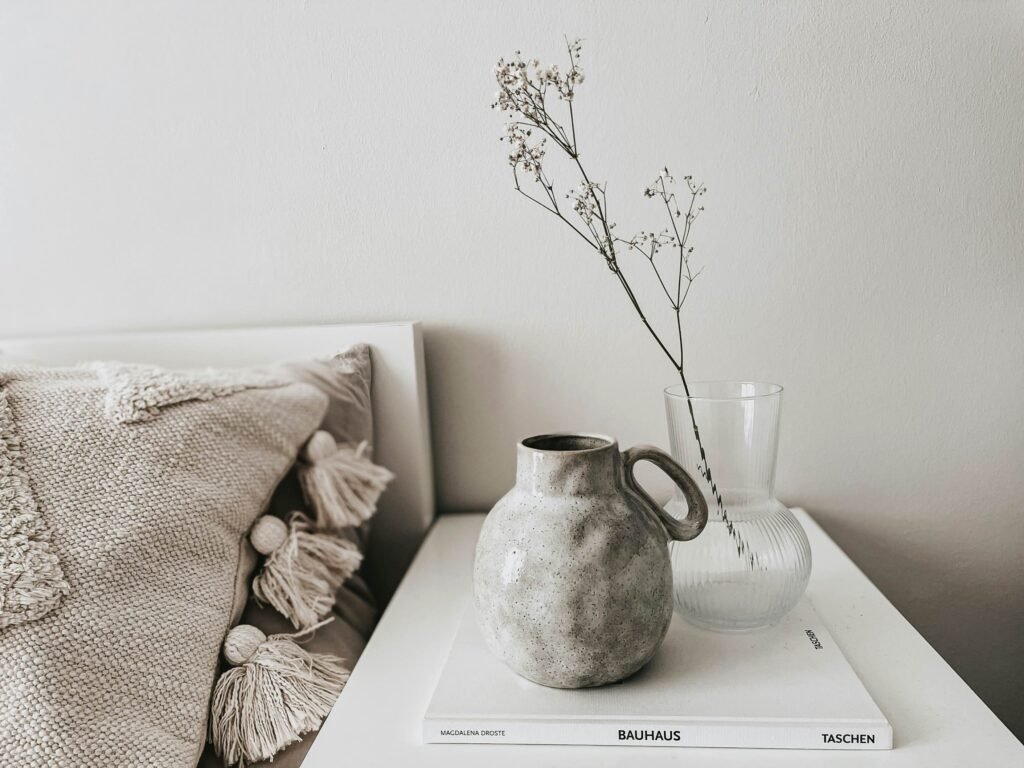
When you are ready to spend, start by fixing bad lighting, then pick the right size rug or curtains, improve storage that causes daily problems, and finally add items that give the room character. It is okay to keep your dark table. A few light textiles and a lamp can help it fit in with the rest of the room.
Use the same approach for seasonal decorations. At Christmas, natural materials and warm light can make the room feel special without overdoing it. For ideas, check out these Scandinavian Christmas decor examples.
A Scandi-style room is successful when it works well even on ordinary days. The chair is comfortable, the lamp is in the right spot, and your favorite things have a place to stay.
Sources
- Designmuseum Danmark, Danish Modern
- Designmuseum Danmark, Learning from Japan
- IKEA, Scandinavian style
- IKEA, Choosing the right rug size
- US Department of Energy, Purchasing Energy-Efficient Light Bulbs

Parker is a home and lifestyle writer at The Scandi Home, where they share a love for Scandinavian design, cozy living, and thoughtful interiors. Their writing focuses on simple, functional spaces that feel calm, warm, and lived-in.