
What Is Hygge? Meaning, Pronunciation & How to Bring It Home
Hygge is a Danish word that means enjoying a pleasant and comfortable time, often with people you care about, but it can also be experienced alone. You might feel it during a long meal, while reading a quiet book, or in a relaxed conversation that no one wants to end. The room can help set the mood, but you can’t buy the feeling from a store.
How to pronounce hygge
You can say hygge as HOO-guh in English, with the stress on the first part. The Cambridge Dictionary gives the pronunciation as /ˈhʊɡ.ə/, where the first vowel sounds like the ‘oo’ in ‘foot’. The Danish way is different, so this is just a helpful guide for English speakers.
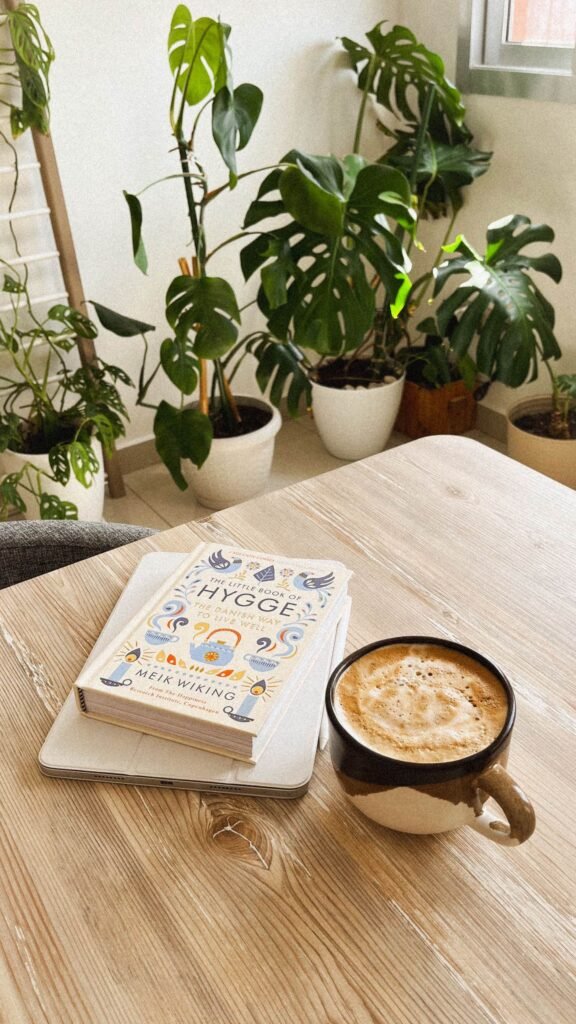
What is the term hygge in Denmark?
Words like cosiness, comfort, or togetherness come close, but don’t fully capture what hygge means. Denmark’s official website says hygge is about stepping back from the daily rush to enjoy peaceful moments, either alone or with others. It could be a simple meal with friends or reading by yourself when you finally have some free time.
Hygge also has a social side that shopping guides often miss. It’s not just about making a room look good for photos—it’s about making it comfortable to spend time there. This could mean having enough chairs at the table, putting a lamp by your favorite seat, or clearing the kitchen so two people can make tea without bumping into clutter.
Hygge doesn’t promise happiness or fix stress. Denmark’s description notes that the cozy feeling can seem exclusive to outsiders. The main idea is to make room for comfort and company, but not to turn either into a requirement.
Hygge style starts with how the room works
A typical hygge scene might include a blanket, a mug, and candlelight. That’s nice, but a room full of throws won’t feel welcoming if the only chair isn’t comfortable. It’s better to focus on the spot where people gather and think about what might keep them from wanting to stay.
Start by improving the lighting. Let in natural daylight when you can, and use a table or floor lamp instead of relying on one bright ceiling light at night. Scandinavian design shows how light, practical furniture, and textiles work together. A warm bulb can make a reading corner inviting, but make sure it’s bright enough to read by.
Soft touches help in places where your body meets the room, like a rug under your feet, a cushion behind your back, or curtains that soften echoes. Choose items that can handle everyday use—a washable throw is more practical than an expensive one no one can touch. Keep a clean surface for cups, books, or games, since it’s easier to relax when you don’t have to clear things away first.
Candles aren’t required for hygge. If you use real candles, put them in sturdy holders at least 12 inches from anything that could burn, and always blow them out before leaving the room or going to bed, as the US Fire Administration recommends. If you have kids, pets, or paper decorations, try a battery-operated candle or a shaded lamp for the same soft light.
Make space for a small ritual
Hygge is more about how you spend your time than about style. Instead of making a friend balance a plate on their lap, save them a seat at the table. If you’re alone, pick one thing you want to enjoy and spend half an hour on it without trying to do something else at the same time.
A routine can be simple, like having pancakes on Saturday, playing a game with your family after dinner, taking a short walk with a neighbor, or reading a book out loud. It doesn’t need to happen every week or be carefully planned. If a tradition feels like a chore, make it smaller. The goal is for people to get used to it. For more ideas, check the guide on how to behappier at home, which covers evening routines and family time.
You can enjoy hygge alone or with others. If you live by yourself, you don’t need to host a dinner party to feel it. If you have a busy family, your living room doesn’t have to be quiet or spotless. Comfort looks different in every home.
A 10-point hygge-at-home checklist
Think of this as a practical guide, not a checklist to score yourself. Mark the items that work for your home and skip the ones that don’t.
- Choose a place to pause. One comfortable chair or a corner of the sofa is enough.
- Put a lamp where it is useful. Reachable light beats atmospheric light across the room.
- Clear one surface. Leave room for a cup, a book or a shared plate.
- Bring in one soft texture. Use a rug, cushion or throw you are happy to handle.
- Keep a warm drink easy. Tea, coffee or hot water counts; no special recipe is required.
- Make room for another person. Add a chair or clear a spot if you want company.
- Choose one unhurried activity. Read, talk, cook or play without a full itinerary.
- Put the phone aside briefly. Try twenty minutes when you want to be present.
- Let the season in. Open a window, notice the rain or take the ritual outdoors.
- Stop before it becomes a project. A lived-in room can still be a welcoming one.
Tonight, just check off two boxes. That’s enough to change how your evening feels. The checklist is also available on a separate card you can print from this draft.
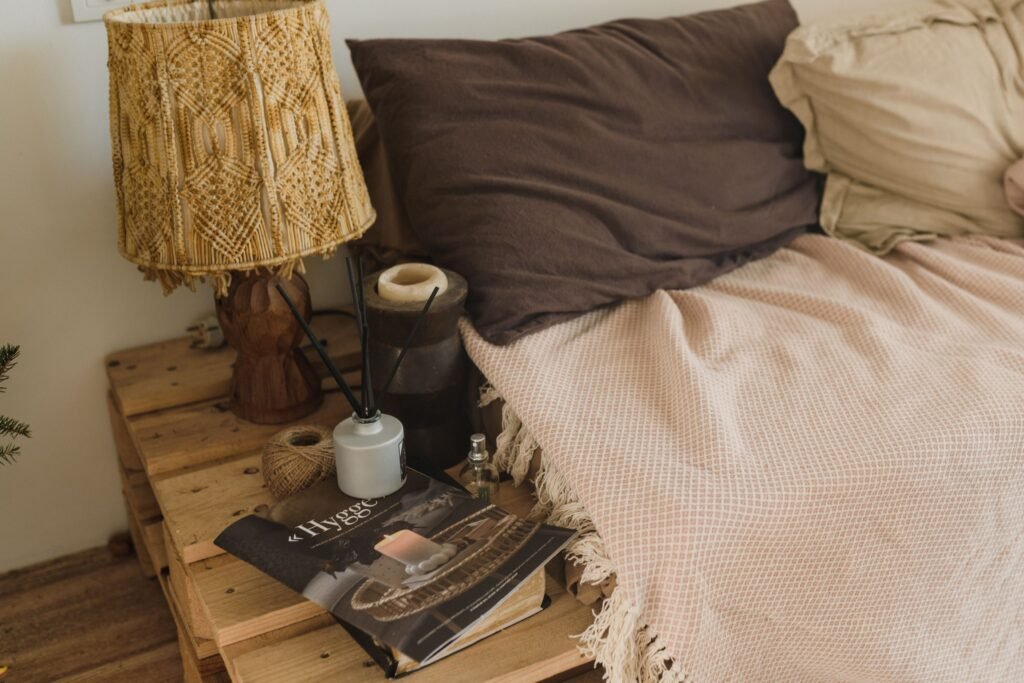
Is hygge merely something for the winter?
Hygge in Denmark isn’t just for winter—it includes summer picnics too. Outdoors, all you need is a sheltered seat, a drink, and time to chat. Indoors, opening the windows and having a simple meal can feel better than using blankets and dim lights on a warm day. If you want a bigger outdoor space, the following ideas cover seating, lighting, and weather-resistant materials.
Hygge feels stronger in winter, when a pool of light is especially nice on a dark afternoon. At Christmas, natural materials and soft lighting can create the same mood without filling every corner. You can see this in Scandinavian Christmas decor ideas. But the season alone doesn’t create hygge—it’s people who make it happen by taking time to slow down together.
Sources
- Denmark.dk, What do we mean by “hygge”?
- VisitDenmark, Hygge
- Cambridge Dictionary, pronunciation of hygge
- US Fire Administration, Candle Fire Safety

Parker is a home and lifestyle writer at The Scandi Home, where they share a love for Scandinavian design, cozy living, and thoughtful interiors. Their writing focuses on simple, functional spaces that feel calm, warm, and lived-in.