
Hygge Living Room: 15 Ideas for Cozy Evenings
A hygge living room is great for relaxing, reading, chatting, or just enjoying a quiet evening together. Comfortable seats, soft lighting, and small details really matter. Try sitting in your usual spot after dark. You might notice glare, an awkward table, or a missing lamp that could get in the way of your evening.
Maybe your room looks lovely at lunchtime, but the ceiling light feels harsh once the curtains are closed. Fixing the lighting might matter more than adding another cushion.
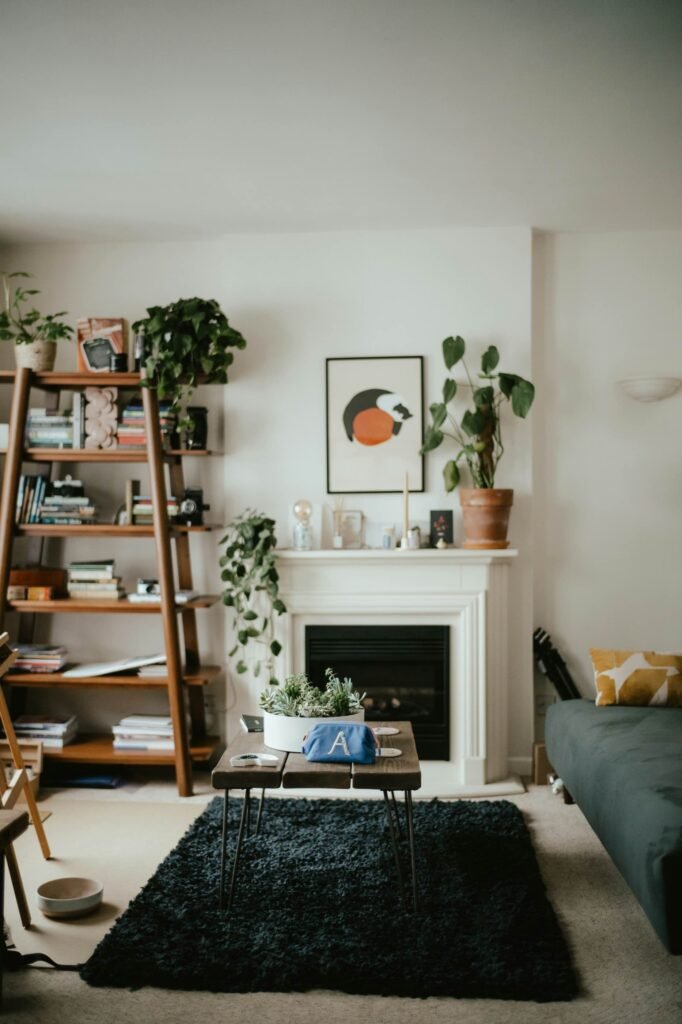
What makes a living room feel hygge?
Denmark’s official definition of hygge is ‘taking time out of the day to enjoy the simple pleasures, either on your own or with others’. The living room is the perfect place for this. It should let you sit comfortably, have enough light for what you’re doing, and give everyone enough space.
Our guide explains what hygge really means in more detail. This is your evening room, and you can adjust the lighting plan without needing to buy new furniture.
Begin with an evening lighting plan
1. Give your lamps different jobs
Use different lights for moving around, reading, and creating a soft background. One ceiling light usually can’t do all of this well. Start with a table lamp by the sofa, a good adjustable reading lamp, and a shaded light across the room.
2. Choose warmth and brightness separately
Kelvin tells you the color of the light, and lumens tell you how bright it is. The US DoE bulb guide says 2700K and 3000K are the warm options for home. A warm bulb can still be bright, so check both numbers when you replace a bulb.
3. Test a plan for three evening activities
Use the table below as a starting point. The Kelvin values are just suggestions. You’ll need to test the brightness and placement in your own room.
| Activity | Lamp types and position | Suggested colour temperature | What to check |
| Conversation | Shaded table lamp beside seating; second lamp on a cabinet | 2700 K | Faces are visible without an exposed bulb at eye level |
| Reading or knitting | Adjustable floor or table lamp aimed at the task; background lamp on | 2700–3000 K | Print or stitches are clear without leaning forward |
| Watching a film | Low-output shaded lamp outside the screen’s reflection | 2700 K, or a dim-to-warm option | No reflection in the screen; the route to the door remains visible |
For example, two people might share a room, with one reading and the other resting. The reading lamp should point at the book, while a shaded lamp farther away softens the background.
4. Check glare from every seat
Sit at both ends of the sofa and in the armchair. Look at the lamps, the TV, and the mirrors. If a lamp’s bulb shines in your eyes, move the lamp or change its shade. Check again with the TV on, since reflections can show up from only one spot.
5. Make the controls easy to use
Keep the switches you use most within easy reach. If you want dimming, make sure the bulb and the control work together. The Department of Energy says dim-to-warm products also change color as they dim, but regular dimmable LEDs might not.
Arrange the room for the evening you actually have
6. Turn a chair towards the conversation
If people have to twist to talk, adjust the seating angle before adding accessories. Make sure everyone can move through the room while seated. These Scandinavian living room layouts give you ideas for different room sizes.
7. Put a drink within reach
Check each regularly used seat with a mug in your hand. A small side table may be better for an armchair than a large central coffee table. You need a stable surface and plenty of room to stand without catching your knees.
8. Keep the active hobby nearby
Give your knitting, sketchbook, or current puzzle a good spot. A shallow box by the sofa works well. Measure what you want to store first, and remember to include things like needles or a board that might keep the lid from closing.
9. Leave one table ready for use
Keep plenty of clear space for whatever you do most evenings, like a board game, tea for two, or a plate of toast. If you keep moving things around, move the decorations somewhere else. A useful table makes starting your evening much easier.
Add softness where it earns its space
10. Match the throw to the person
One person might love a thick wool blanket, while someone else prefers washable cotton. Whatever you choose, keep it where you use it. Always check the care label before buying, especially if the sofa is also for pets and snacks.
11. Keep only helpful cushions
Sit down with your usual cushions in place, like the one for your back, and remove any that push you forward. The sofa should be ready to use, not something you have to clear off every night.
12. Plan curtains for darkness as well as daylight
Close the curtains after sunset and check your privacy from outside if possible. Think about how the curtains work with radiators, furniture, and windows you’ll open. Choose the fabric based on these needs before deciding if you need another textile in the room.
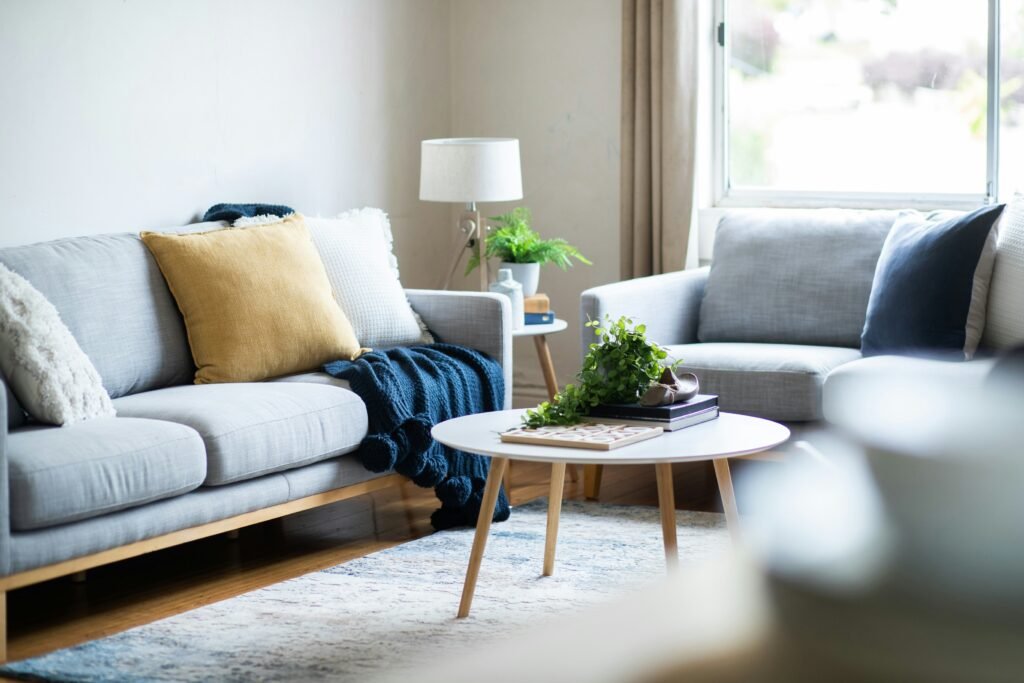
Make room for familiar pleasures
13. Let existing color belong
A green chair or a patterned rug can set the color scheme. You might repeat a color in a throw or artwork to help tie the room together. Our other hygge decor ideas show how to use your own objects and furniture.
14. Use a flameless glow if you prefer
A battery-operated candle gives you a warm glow in the evening without an open flame. Make sure you have enough light to move around. Candlelight is optional—the room can feel inviting with just a simple shaded lamp.
15. Leave something enjoyable ready
Keep your book by the reading chair or place a game within easy reach. Try this setup for a few evenings before buying anything new. Sometimes, the lamp you moved earlier in the week is still making the room easier to use days later.
Sources
- Denmark.dk: What is hygge?
- US Department of Energy: Purchasing Energy-Efficient Light Bulbs — bulb colour, output and dimming
- US Department of Energy: Understanding LED Color-Tunable Products

Parker is a home and lifestyle writer at The Scandi Home, where they share a love for Scandinavian design, cozy living, and thoughtful interiors. Their writing focuses on simple, functional spaces that feel calm, warm, and lived-in.