
How to Meal Prep Chicken: Easy Methods for the Week
Chicken is easy to cook in advance, but it can turn out dry, bland, or boring if you always make it the same way. Luckily, there are some simple tricks that make meal prepping chicken much easier.
If you want to meal prep chicken, focus on three things: cooking it safely, seasoning it well, and storing it properly. Once your chicken is cooked, you can use it for bowls, wraps, salads, pasta, tacos, or soups without having to start dinner from zero.
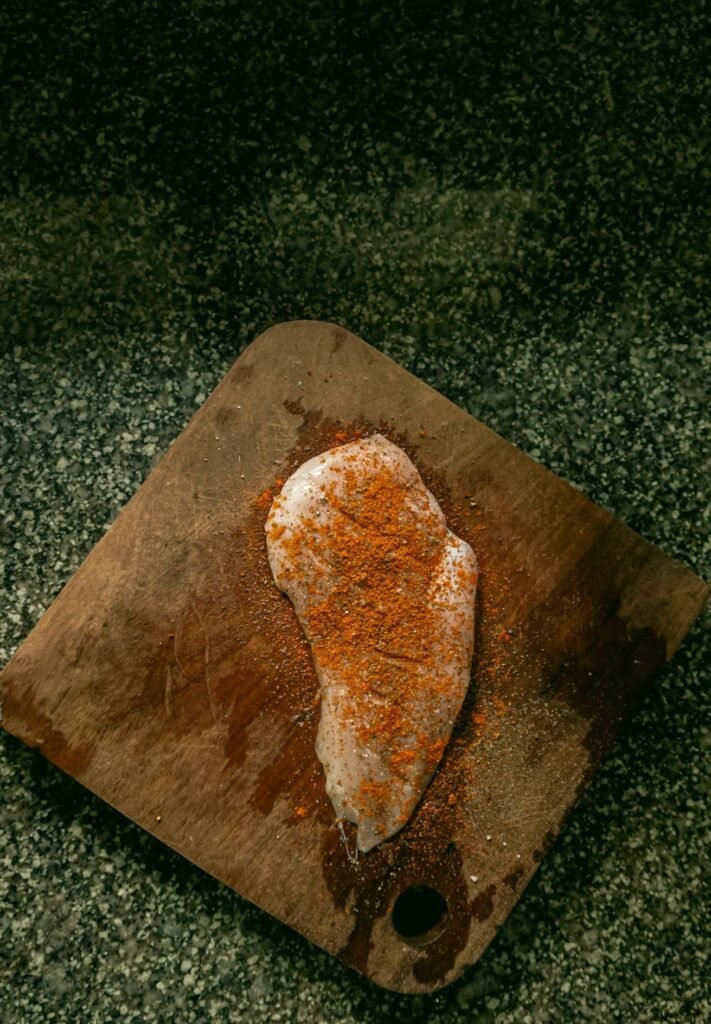
Why Chicken Works So Well for Meal Prep
Chicken is great for meal prep because it goes well with lots of flavors and cooking methods. You can bake, pan-sear, poach, shred, or cook it in a pressure cooker or slow cooker.
It also goes well with rice, potatoes, vegetables, pasta, beans, and salads. This flexibility is why meal prepping chicken can save you a lot of time during a busy week.
Instead of making the same meal five times, you can cook one batch of chicken and use it in different ways throughout the week.
What Type of Chicken Is Best for Meal Prep?
Chicken breast is a popular choice because it’s lean, easy to portion, and works well in salads, wraps, bowls, and pasta. The only downside is that it can get dry if you overcook it.
Chicken thighs have more fat and usually stay juicier after being refrigerated and reheated. They’re especially good for curries, rice bowls, and sheet-pan meals.
You can also make shredded chicken from breasts, thighs, or a whole chicken. Shredded chicken is handy when you want something flexible for tacos, sandwiches, soup, or casseroles.
How to Meal Prep Chicken: 4 Easy Methods
The best way to cook chicken depends on how you want to use it. Here are four options that give you lots of variety.
Method 1: Oven-Baked Chicken
Oven baking is probably the easiest way to meal prep chicken in bigger batches.
Pat the chicken dry, then season it with olive oil, garlic, paprika, herbs, lemon, or any other mix you like. Place the pieces in a baking dish or on a sheet pan, making sure they’re not too crowded.
Bake until the thickest part of the chicken reaches 165°F (73.9°C). The USDA states that all poultry should reach this minimum internal temperature, and a food thermometer is the most reliable way to check doneness.
Let the chicken rest for a few minutes before slicing. Keeping bigger pieces whole until you serve them can also help them stay juicy.
Method 2: Stovetop Chicken
To cook chicken on the stove, season the meat and put it in a lightly oiled skillet over medium heat.
Sear one side until browned, turn it over, and continue cooking until the internal temperature reaches 165°F. Thinner chicken breasts or cutlets work especially well because they cook more evenly.
This method is handy when you just need a few portions and don’t want to use the oven.
Method 3: Poached Chicken
Poaching makes soft, mild chicken that’s great for salads and shredded dishes.
Place chicken in a saucepan and cover it with water or broth. Add aromatics such as onion, garlic, herbs, peppercorns, or lemon.
Bring the liquid to a gentle simmer, not a hard boil. Cook until the chicken is safely done, then let it cool a bit before slicing or shredding.
Method 4: Shredded Chicken
Shredded chicken might be the most flexible way to meal prep chicken.
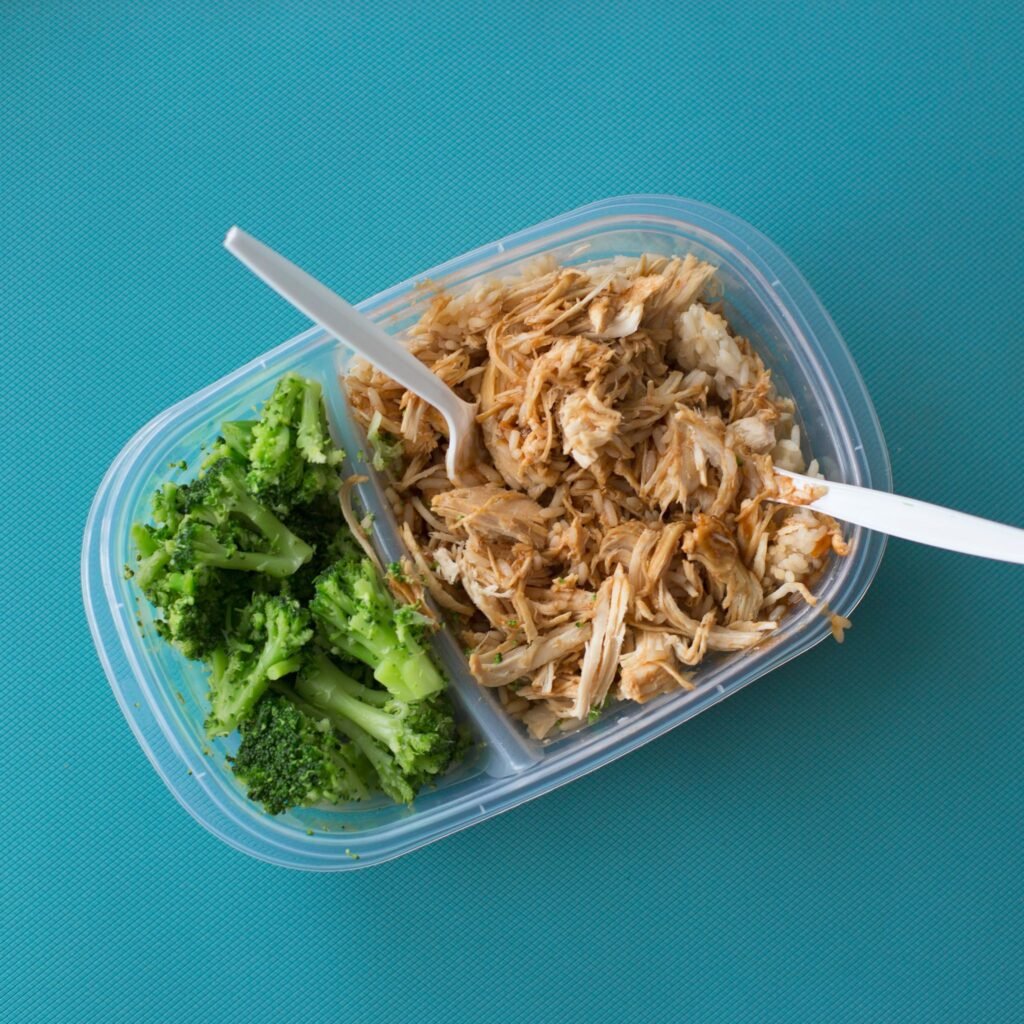
Cook the chicken until fully done using a pot, pressure cooker, or slow cooker, then shred it with two forks. Divide it into portions and season different batches differently.
Use one batch for tacos, another for rice bowls, and another for soup. This simple trick helps keep your meals from getting boring.
How Much Chicken Should You Meal Prep?
There is no perfect portion for everyone. Appetite, body size, activity, and the rest of the meal all matter.
For many adults, a good serving is about 3 to 5 ounces of cooked chicken, served with vegetables and a carb like rice, potatoes, quinoa, or pasta.
If you’re making four dinners, you might cook about 12 to 20 ounces of chicken in total. Families can make more or less depending on how many people are eating.
How to Keep Meal Prep Chicken From Drying Out
Dry chicken usually starts with overcooking. A thermometer helps you stop cooking once the chicken reaches a safe temperature instead of guessing based on color alone. USDA notes that appearance and texture are not reliable measures of food safety.
You can also store chicken with a little sauce, broth, or cooking juices. Keeping larger pieces whole until reheating may help retain moisture.
When reheating, heat only the portion you plan to eat rather than warming and cooling the same container several times.
How Long Does Meal Prep Chicken Last in the Fridge?
Food safety is one of the most important things to remember when meal prepping chicken.
USDA guidance says leftovers should be refrigerated at 40°F (4.4°C) or below as soon as possible and should not sit at room temperature for more than 2 hours. If the temperature is above 90°F, that window drops to 1 hour.
Cooked leftovers should generally be used within 3 to 4 days. If you prepare chicken for five or more days, freeze the later portions rather than leaving them in the refrigerator all week.
Use shallow containers so the chicken cools down quickly and evenly.
Can You Freeze Meal Prep Chicken?
Yes. Freezing is helpful if you want to meal prep chicken for a whole week without overloading your fridge.
Cool the chicken promptly, divide it into portions, and store it in freezer-safe containers or bags. Label each portion with the date so you know when you prepared it.
Chicken with sauce often freezes and reheats particularly well because the added moisture helps protect its texture.
For best quality, thaw frozen cooked chicken in the refrigerator rather than leaving it on the counter.
How to Reheat Chicken Without Drying It Out
In the microwave, add a small splash of water, broth, or sauce and cover the chicken loosely. Heat in shorter intervals so you do not overcook it.
On the stovetop, warm chicken gently in a covered pan with a little liquid.
You can also reheat it in the oven. USDA recommends reheating cooked leftovers to at least 165°F (73.8°C).
A food thermometer is again the safest way to confirm that the center is hot enough.
5 Easy Ways to Use Meal Prep Chicken
One of the best parts of learning how to meal prep chicken is using the same batch in different ways.
1. Chicken Rice Bowls
Serve chicken with rice, roasted vegetables, and salsa, tahini, or a yogurt-based sauce.
2. Chicken Wraps
Add sliced chicken to a whole-grain wrap with lettuce, tomato, cucumber, and your favorite dressing.
3. Chicken Salad
Use cold cooked chicken with leafy greens, tomatoes, vegetables, seeds, and a simple vinaigrette.
4. Chicken Pasta
Combine chicken with pasta, vegetables, and tomato sauce or pesto for an easy evening meal.
5. Chicken Tacos
Reheat shredded chicken with cumin, paprika, and garlic. Add it to tortillas with beans, cabbage, salsa, and avocado.
Best Chicken Meal Prep Seasoning Ideas
Seasoning changes can make basic chicken feel completely different.
For a Mediterranean flavor, use lemon, oregano, garlic, and olive oil. For Mexican-inspired chicken, try cumin, paprika, chili powder, and garlic.
Curry powder, turmeric, and garlic work well for Indian-inspired meals. Basil, oregano, and garlic give chicken an Italian direction, while soy sauce, ginger, and garlic create an Asian-inspired flavor.
When deciding how to meal prep chicken, changing the seasoning is one of the easiest ways to prevent boredom.
Common Chicken Meal Prep Mistakes
One common mistake is overcooking chicken breast because you are afraid it is not done. Use a thermometer instead of cooking it far beyond 165°F.
Another mistake is making five identical meals and becoming tired of them by Wednesday. Prepare neutral chicken and change sauces, vegetables, or sides during the week.
Do not leave cooked chicken sitting at room temperature for hours, and do not keep it refrigerated longer than the recommended storage period. USDA notes that bacteria multiply rapidly between 40°F and 140°F, sometimes doubling in number in as little as 20 minutes.
Frequently Asked Questions
What is the best way to meal prep chicken?
Baking is one of the easiest ways to cook several portions at once. Poaching, pan-searing, and shredding are also useful depending on the meals you plan to make.
Can I meal prep chicken for five days?
You can cook five days’ worth at once, but USDA recommends using refrigerated cooked leftovers within 3 to 4 days. Freeze the portions intended for later in the week.
Should I cut chicken before or after cooking?
Either method works. Larger pieces are usually easier to keep juicy, while smaller pieces cook faster. If you slice after cooking, allow the chicken to rest briefly first.
Can I freeze meal prep chicken?
Yes. Properly cooled and packaged cooked chicken freezes well and is useful for extending your meal-prep plan beyond several refrigerated days.
How do I stop meal prep chicken from becoming dry?
Do not overcook it. Use a food thermometer, keep some moisture in the storage container, and reheat gently.
Is chicken breast or chicken thigh better for meal prep?
Chicken breast is leaner, while chicken thighs generally remain juicier after reheating. The better choice depends on your preference and recipe.
Final Thoughts
Learning how to meal prep chicken does not mean filling your refrigerator with seven identical boxes. Cook chicken safely, season it well, refrigerate it promptly, and use refrigerated portions within 3 to 4 days.
Freeze anything you need later in the week and change how you serve the chicken. Bowls, wraps, salads, pasta, and tacos can all start with the same basic batch.
Once you understand how to meal prep chicken, weekday dinners become much easier without requiring hours of cooking every evening.
Helpful YouTube Resource
Here’s a helpful video:
References
- USDA Food Safety and Inspection Service — Cooking Times for Chicken. Poultry should reach a minimum internal temperature of 165°F (73.9°C).
USDA chicken cooking guidance - USDA Food Safety and Inspection Service — Safe Internal Temperatures. A food thermometer provides the most reliable way to confirm safe doneness.
USDA food temperature guidance - USDA Food Safety and Inspection Service — Handling Leftovers Safely. Refrigerate leftovers within 2 hours, use shallow containers, and use refrigerated leftovers within 3 to 4 days.
USDA leftover safety guidance - USDA Food Safety and Inspection Service — The 2-Hour Rule. Bacteria multiply quickly within the food-safety danger zone of 40°F to 140°F.
USDA 2-hour rule - USDA Food Safety and Inspection Service — Reheating Leftovers. Reheat previously cooked leftovers to at least 165°F.
USDA reheating guidance

Parker is a home and lifestyle writer at The Scandi Home, where they share a love for Scandinavian design, cozy living, and thoughtful interiors. Their writing focuses on simple, functional spaces that feel calm, warm, and lived-in.