
Japandi Design: The Complete Guide to Japanese-Scandinavian Style
Japandi is a design style that blends Japanese and Scandinavian influences. It features simple furniture, natural materials, practical storage, and a minimal approach to objects. To try it at home, start with what you already own, clear the paths between pieces, and build a calm color palette around your floor or largest furniture.
A dark wooden table beside an oatmeal sofa is enough to set the tone for the room. You don’t need to replace both with a matching set, and you don’t have to remove everything that gives the room its character.
What is Japandi design?
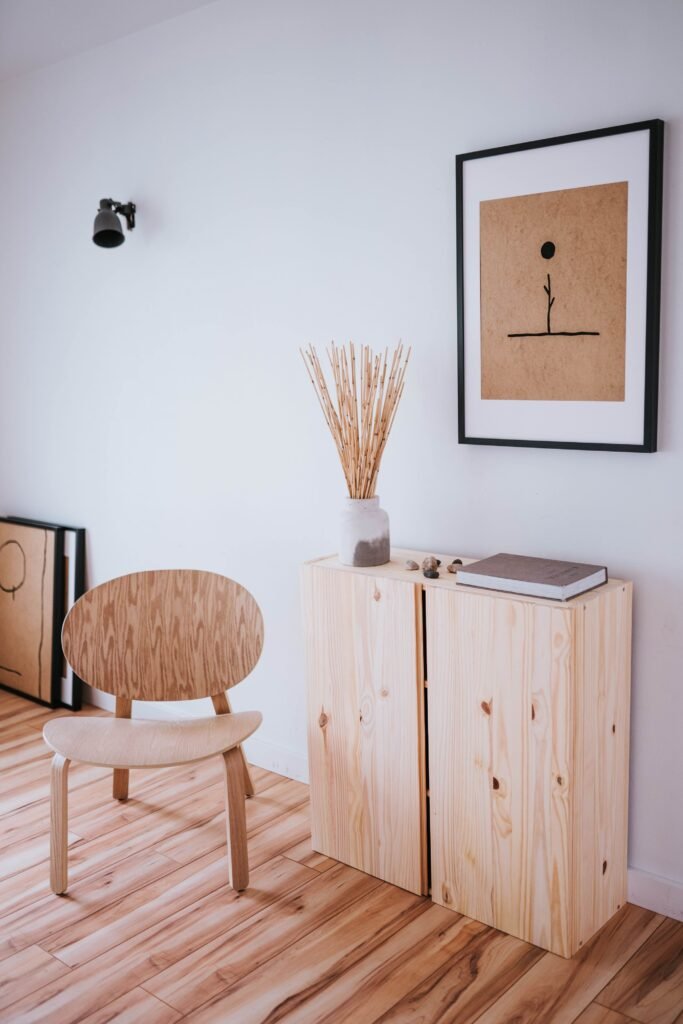
Japandi is a modern interior style. According to IKEA’s Japandi guide, it combines practical, simple furniture, natural textures, and Scandinavian comfort with Japanese influence. It focuses on visible wood grain, cozy textiles, and leaving space around your chosen items.
Japandi may seem like a new trend, but the connection between Japanese and Scandinavian design goes back much further. Designmuseum Danmark’s Learning from Japan exhibition explores how Japanese style influenced Danish craft around 1900 and through the 20th century. So, calling Japandi new overlooks this long history.
Our Scandinavian interior design guide covers the light, function, and materials that define the Scandi style. Japandi sometimes takes these ideas further, using deeper wood tones and more contrast for a simpler look.
How do Japandi, Scandi and wabi-sabi differ?
These terms overlap a bit, but they mean different things. Wabi-sabi is a Japanese aesthetic with a much broader cultural meaning than just a decorating style. Japan House London connects it to simplicity, irregular shapes, and the idea that materials change over time.
Use these comparisons to figure out what you like, instead of worrying about whether a room follows every rule.
| Decision | Japandi | Scandinavian style | Wabi-sabi perspective |
| Starting point | Combine restrained forms with everyday comfort | Make daily activities comfortable and practical | Notice beauty in simplicity, imperfection and age |
| Colour direction | Try warm neutrals with earthy or dark accents | Pale tones are common; colour and graphic patterns also belong | No fixed paint palette; attention rests on materials and their character |
| Furniture choice | Simple silhouettes with room around them | Useful, comfortable pieces with clear forms | Appreciate an object’s individual character and history |
| Surface choice | Pair timber with quieter textiles or ceramics | Mix wood, fabric and practical finishes | Value natural variation and appropriate signs of use |
| A useful home decision | Remove a redundant table to give a good chair space | Put a reading lamp within reach | Keep a sound, worn table you enjoy using |
An old surface can look great but still needs care. Fix any loose joints and always follow the care instructions for the material.
What colours and materials work together?
Begin with the largest surface you plan to keep. For example, a honey-colored floor will affect your paint choice more than a small vase. Compare samples side by side in daylight and again under your evening lights.
For a light look, choose warm off-white walls, pale wood, and oatmeal fabric, then add a dark frame or lamp for contrast. For a deeper feel, keep the walls light but use a walnut cabinet and muted olive textiles. These are just ideas to get you started, not strict Japandi colors.
Let one wood finish stand out. The other wood can be different, but it’s important to look at samples together before buying. Sometimes, two finishes that are almost the same can feel less balanced than a more intentional difference.
Pick textures for the things you touch often. A woven cushion, a smooth chair arm, or a glazed mug add interest without covering every surface. Check cleaning instructions for upholstery and wood finishes, especially in busy family rooms.
How should you arrange Japandi furniture?
Begin with what’s already in the room. Make sure the path from the door is clear, arrange seating for conversation, and put storage where you’ll use it. Our Scandinavian living room layouts show examples you can adapt before buying anything new.
Lower furniture can make the room feel calmer, but comfort matters most. Try sitting and standing to see if the seat supports you. A low sofa that’s hard to get up from isn’t a good choice, no matter how well it matches your style.
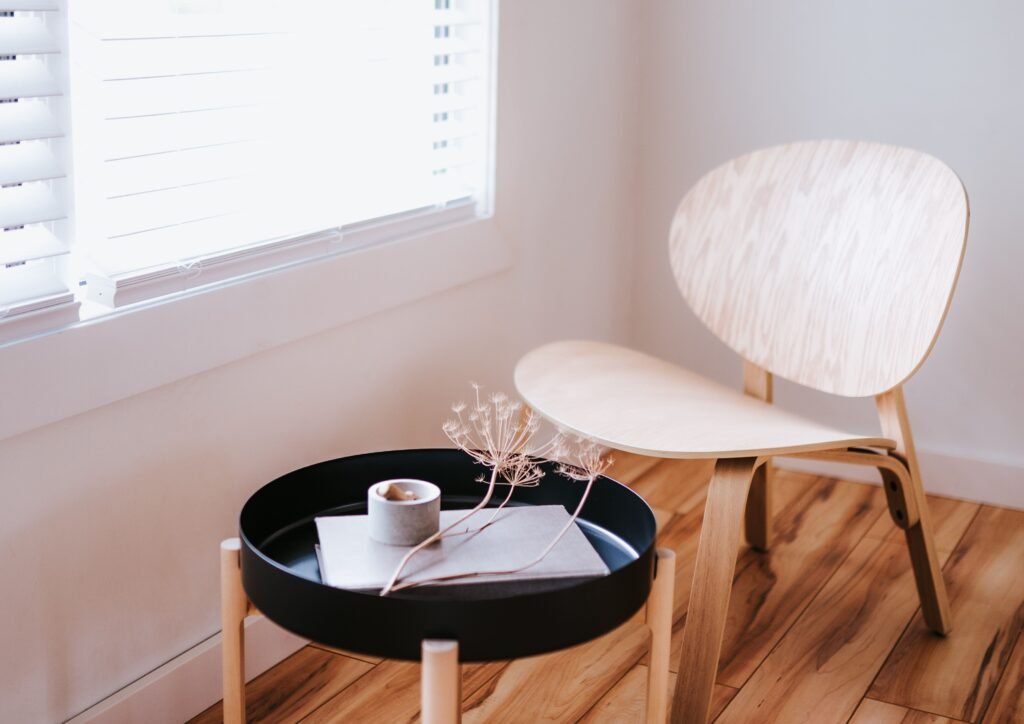
For example, in a small living room with a good sofa, two side tables, and a full bookcase, you might remove one table, move a lamp next to the sofa, and store paperwork behind doors. Improving the room this way can be better than replacing the seating. Keep the books you read in sight and have a spot for paperwork so it’s easy to find and put away.
How does Japandi work in different rooms?
In the kitchen, pick your finishes based on the surfaces you’re keeping and the ones you want to protect, like the prep area. Simple cabinet fronts work well with a classic wooden table. Our Japandi kitchen guide goes into more detail about color choices, storage, and caring for materials.
In the bedroom, begin with bedside lighting, clothing storage, and bedding you enjoy. A simple headboard and a tidy bedside table work well without needing a platform bed. These Scandinavian bedroom ideas focus on the essentials.
What should you change first on a small budget?
Before buying any Japandi decor, live with your current setup for a week.
- Clear off one work surface and move anything that tends to pile up there.
- Take out any item that does the same job as another or blocks movement.
- Move a lamp you already have to the seat where you like to read.
- Compare paint and fabric samples with your floor before you order anything.
- Only buy something if you have a real need, like missing storage or an uncomfortable seat.
Keep the personal items that matter to you. A colorful print or an inherited bowl can fit into a Japandi space if the other choices work with it. Set the table for dinner, make the chair cozy for reading, and keep your favorite objects where you can see them.
Sources
- IKEA: Japandi style
- Designmuseum Danmark: Learning from Japan
- Japan House London: Wabi-sabi and Japanese craft: nature or nurture?

Parker is a home and lifestyle writer at The Scandi Home, where they share a love for Scandinavian design, cozy living, and thoughtful interiors. Their writing focuses on simple, functional spaces that feel calm, warm, and lived-in.