
Hormonal Balance Meal Plan: A Simple 7-Day Guide
If you often feel tired, moody, or hungry, you might have heard about hormonal balance meal plans. No single food or diet can completely fix your hormones, but eating a balanced, nutrient-rich diet can support your body’s natural hormone function. Along with good sleep, regular exercise, and managing stress, healthy eating habits can really improve how you feel.
A helpful hormonal balance meal plan includes whole foods, healthy fats, lean proteins, fiber-rich carbs, and lots of fruits and vegetables. Instead of strict detoxes or quick fixes, this guide gives you practical nutrition tips and a simple 7-day meal plan you can adjust to fit your life.
What Is a Hormonal Balance Meal Plan?
A hormonal balance meal plan is an eating style that gives your body the nutrients it needs for healthy hormone production and balance. Hormones play a big role in things like metabolism, appetite, sleep, mood, reproduction, and energy.
According to the Endocrine Society, hormones act as chemical messengers that regulate nearly every major body function, making balanced nutrition an important part of overall health (https://www.endocrine.org/).
Keep in mind that a hormonal balance meal plan is not a medical treatment. Conditions like thyroid disorders, PCOS, or diabetes need care from a doctor. Still, healthy eating can work alongside your treatment and help you feel better in the long run.
Foods That Support Healthy Hormone Function
Picking the right foods is the key to any hormonal balance meal plan.
Lean Proteins
Protein provides amino acids that your body needs to produce hormones and maintain muscle. Good choices include:
- Chicken breast
- Fish
- Eggs
- Greek yogurt
- Lentils
- Beans
- Tofu
Having protein with every meal can also help you feel full longer.
Healthy Fats
Healthy fats are important because your body uses cholesterol and dietary fats to make certain hormones.
Include foods such as:
- Avocados
- Olive oil
- Walnuts
- Almonds
- Chia seeds
- Flaxseeds
- Salmon
The Harvard T.H. Chan School of Public Health recommends emphasizing unsaturated fats as part of a healthy dietary pattern (https://nutritionsource.hsph.harvard.edu/).
High-Fiber Foods
Fiber helps your digestion and keeps your blood sugar steady.
Choose:
- Oats
- Brown rice
- Quinoa
- Whole-grain bread
- Lentils
- Apples
- Berries
- Broccoli
Fermented Foods
Gut health and hormone health are closely linked. Adding fermented foods to your meal plan can help keep your gut microbiome healthy.
Examples include:
- Plain yogurt
- Kefir
- Kimchi
- Sauerkraut
Colorful Fruits and Vegetables
Try to fill half your plate with colorful fruits and vegetables.
Great choices include:
- Blueberries
- Spinach
- Bell peppers
- Sweet potatoes
- Tomatoes
- Broccoli
- Carrots
Each color gives you different vitamins, minerals, and antioxidants.
Foods to Limit
You don’t have to cut out whole food groups for a healthy hormonal balance meal plan. Just try to limit foods that might lower the quality of your diet.
These include:
- Sugary drinks
- Ultra-processed snacks
- Excess added sugar
- Highly refined carbohydrates
- Excess alcohol
It’s fine to enjoy treats sometimes, as long as most of your meals are based on whole foods.
7-Day Hormonal Balance Meal Plan
Day 1
Breakfast: Oatmeal with blueberries, walnuts, and chia seeds.
Snack: Greek yogurt with sliced strawberries.
Lunch: Grilled chicken salad with olive oil dressing.
Snack: Apple with almond butter.
Dinner: Baked salmon, quinoa, and roasted broccoli.
Day 2
Breakfast: Vegetable omelet with whole-grain toast.
Snack: Mixed nuts.
Lunch: Lentil soup with whole-grain crackers.
Snack: Carrot sticks and hummus.
Dinner: Grilled turkey, brown rice, and steamed green beans.
Day 3
Breakfast: Smoothie with spinach, banana, Greek yogurt, and flaxseeds.
Snack: Cottage cheese with blueberries.
Lunch: Quinoa salad with chickpeas and vegetables.
Snack: Pear.
Dinner: Baked cod with roasted sweet potatoes and asparagus.
Day 4
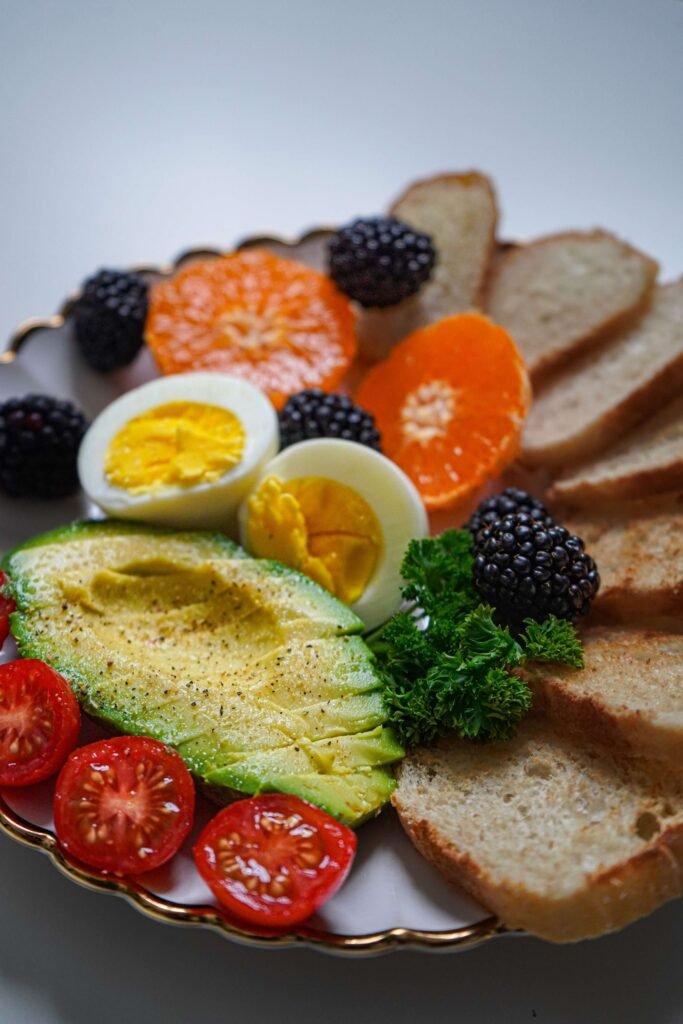
Breakfast: Whole-grain toast with avocado and boiled eggs.
Snack: Orange slices.
Lunch: Chicken and vegetable stir-fry with brown rice.
Snack: Plain yogurt with pumpkin seeds.
Dinner: Bean chili served with mixed salad.
Day 5
Breakfast: Overnight oats with raspberries and almonds.
Snack: Boiled egg.
Lunch: Tuna salad wrapped in whole-grain tortillas.
Snack: Cucumber slices with hummus.
Dinner: Grilled chicken with roasted vegetables.
Day 6
Breakfast: Greek yogurt parfait with berries and oats.
Snack: Apple.
Lunch: Turkey sandwich on whole-grain bread with side salad.
Snack: Mixed seeds.
Dinner: Baked tofu, quinoa, and stir-fried vegetables.
Day 7
Breakfast: Scrambled eggs with spinach and tomatoes.
Snack: Banana with peanut butter.
Lunch: Salmon salad with avocado.
Snack: Cottage cheese with pineapple.
Dinner: Vegetable soup with grilled chicken and whole-grain bread.
This meal plan gives you a mix of protein, fiber, healthy fats, and colorful fruits and vegetables to help keep your energy steady all week.
Healthy Snack Ideas
Healthy snacks can help you keep your energy up between meals.
Try these options:
- Greek yogurt with berries
- Apple with peanut butter
- Handful of mixed nuts
- Cottage cheese
- Boiled eggs
- Edamame
- Carrot sticks with hummus
These snacks work well in a hormonal balance meal plan because they include protein, fiber, or healthy fats.
Lifestyle Habits That Support Hormonal Health
A hormonal balance meal plan is most effective when you pair it with healthy daily habits.
Prioritize Sleep
Adults should try to get 7 to 9 hours of good sleep each night. Not sleeping well can affect the hormones that control your appetite and energy.
Stay Physically Active
Regular exercise helps your metabolism and can boost your mood. The World Health Organization (WHO) recommends getting at least 150 minutes of moderate activity each week (https://www.who.int/news-room/fact-sheets/detail/physical-activity).
Manage Stress
Ongoing stress can affect your hormones. Simple daily habits like walking, meditation, journaling, or deep breathing can help you manage stress.
Stay Hydrated
Drinking water helps with digestion, circulation, and many other body functions. Try to keep a reusable water bottle with you during the day.
Eat Regular Meals
If you skip meals, you might end up feeling very hungry later. Eating balanced meals at regular times helps keep your energy steady and makes it easier to stick to your meal plan.
Who May Benefit from a Hormonal Balance Meal Plan?
A balanced eating pattern may benefit:
- Women with PCOS (alongside medical care)
- Women during perimenopause or menopause
- Busy adults with irregular eating habits
- People looking for more stable energy
- Anyone wanting to improve overall nutrition.
Keep in mind that a hormonal balance meal plan can support your health, but it isn’t a substitute for medical treatment if you have hormone-related conditions.
Common Mistakes to Avoid
When following a hormonal balance meal plan, avoid these common mistakes:
- Following extreme detox diets
- Skipping meals regularly
- Eating too little protein
- Avoiding all healthy fats
- Relying only on supplements
- Ignoring sleep and stress management
Being consistent with your habits usually works better than following strict or restrictive diets.
Frequently Asked Questions
Can food balance hormones naturally?
A healthy diet can help your hormones work properly, but it can’t cure hormone disorders. If you have a medical condition, you’ll need a doctor’s diagnosis and treatment.
How long does it take to notice changes?
Many people feel more energetic and notice better eating habits within a few weeks, but results can vary depending on your lifestyle and health.
Is this meal plan good for PCOS?
A balanced hormonal balance meal plan can help with overall nutrition for people with PCOS, but it’s best to get advice from a healthcare professional.
Can men follow a hormonal balance meal plan?
Yes, men can follow a hormonal balance meal plan too. Hormones matter for everyone, and balanced nutrition supports hormone health in both men and women.
Do I need supplements?
Most people can get the nutrients they need from food. Only take supplements if your healthcare provider suggests them.
Final Thoughts
A hormonal balance meal plan isn’t about cutting out whole food groups or doing strict detoxes. It’s about building steady habits that help your body every day. Eating whole foods, getting enough protein and healthy fats, staying active, managing stress, and sleeping well all support healthy hormones.
The best hormonal balance meal plan is one you can stick with over time. Small, steady changes usually work better than big, dramatic diets. If you have symptoms like ongoing tiredness, irregular periods, unexpected weight changes, or other signs of hormone imbalance, talk to your doctor or a registered dietitian for advice that fits you.
Recommended YouTube Video
Best foods for hormone balance:
References
- Endocrine Society. Hormones and Endocrine Health. https://www.endocrine.org/
- Harvard T.H. Chan School of Public Health. The Nutrition Source. https://nutritionsource.hsph.harvard.edu/
- Academy of Nutrition and Dietetics. Healthy Eating Resources. https://www.eatright.org/
- National Institutes of Health (NIH). Nutrition Research. https://www.nih.gov/
- Office on Women’s Health. Hormonal Health. https://www.womenshealth.gov/
- World Health Organization (WHO). Physical Activity Guidelines. https://www.who.int/news-room/fact-sheets/detail/physical-activity

Parker is a home and lifestyle writer at The Scandi Home, where they share a love for Scandinavian design, cozy living, and thoughtful interiors. Their writing focuses on simple, functional spaces that feel calm, warm, and lived-in.