
Calendula Uses: 12 Practical Ways to Enjoy This Versatile Flower
Calendula is more than just a bright orange flower in the garden. For hundreds of years, people have used it in herbal remedies, cooking, skincare, and home treatments. Today, gardeners, DIY fans, and those who enjoy simple living still love this cheerful plant.
What makes calendula special is how many ways you can use it. You can make infused oils, herbal teas, homemade soaps, or even add the petals to meals as decoration. Some uses are backed by research, while others come from tradition. This guide will show you practical ways to use calendula, how to grow and harvest it, and some safety tips for using it at home.
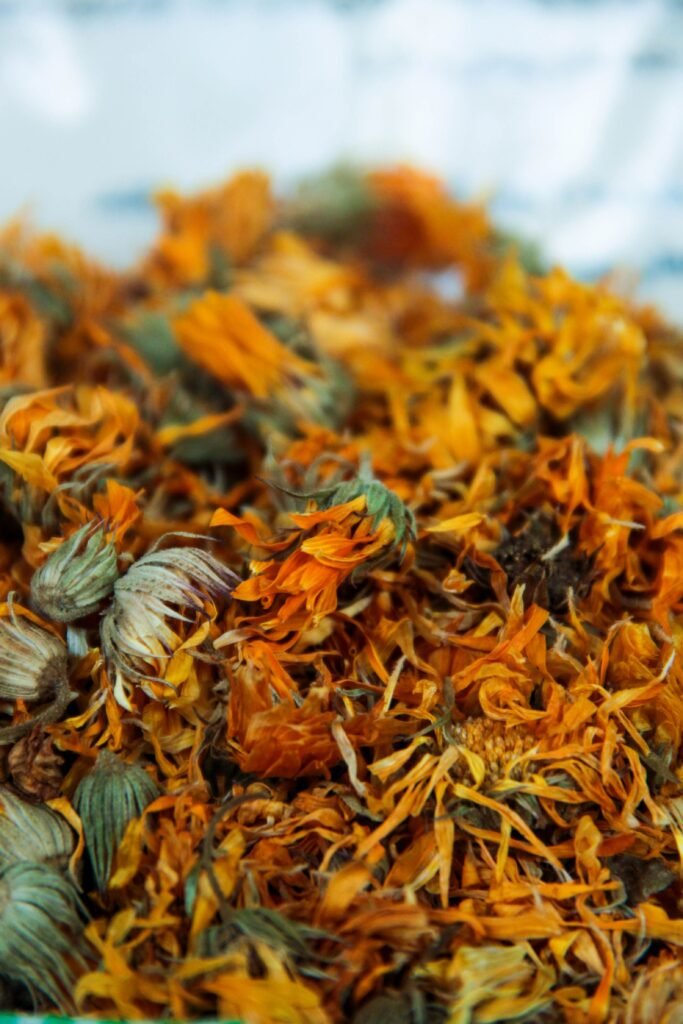
What Is Calendula?
Before we look at all the ways to use calendula, it helps to know what this flower is.
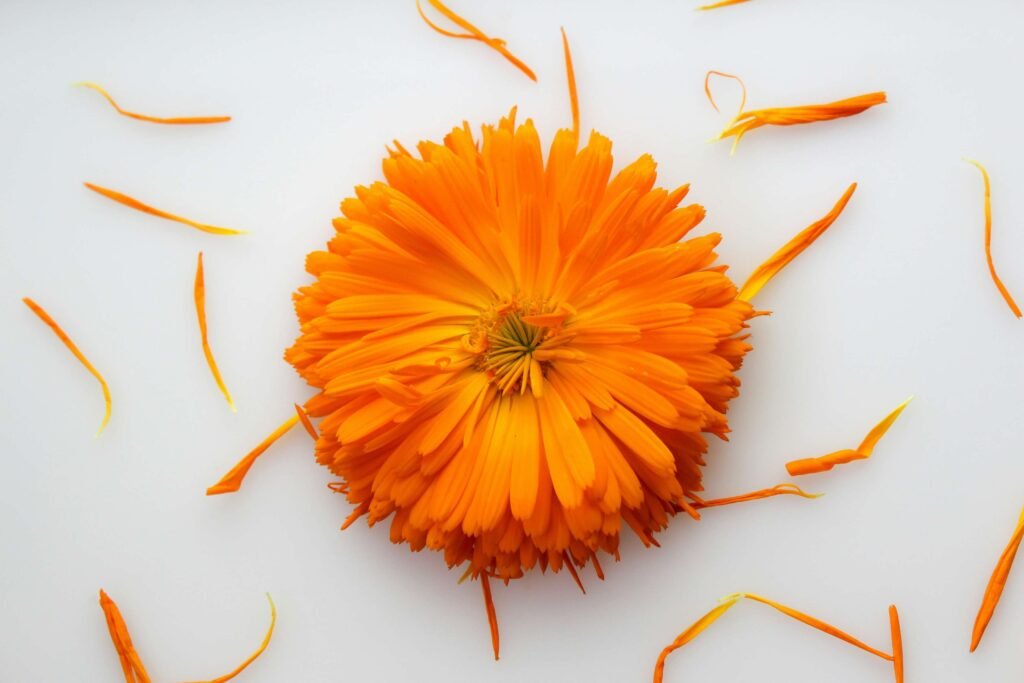
Calendula (Calendula officinalis), also known as pot marigold, is part of the daisy family. People sometimes mix it up with ornamental marigolds (Tagetes species), but they are not the same. Calendula is known for its bright yellow and orange petals, gentle scent, and long history of use in herbal medicine.
Calendula flowers have natural compounds like flavonoids, carotenoids, and triterpenoids. These give the plant antioxidant and anti-inflammatory effects, which scientists are still studying. The National Center for Complementary and Integrative Health (NCCIH) says that while calendula has been used for a long time, more research is needed to prove its health benefits. Learn more at https://www.nccih.nih.gov/.
Calendula Uses for Skin Care
Calendula is often used in natural skincare products. Because it is gentle, people like to add it to homemade and store-bought beauty items.
1. Homemade Calendula Oil
Making calendula-infused oil is one of the simplest ways to use calendula at home. Just soak dried petals in a carrier oil like olive, jojoba, or sweet almond oil for a few weeks.
People use the finished oil to moisturize dry skin, soften rough elbows, or care for cuticles. Many also add calendula oil to their homemade beauty recipes.
2. DIY Calendula Salve
Another favorite way to use calendula is by making a soothing salve.
To make a basic calendula salve, mix infused calendula oil with beeswax. People often use it for dry hands, cracked heels, or rough skin. Remember, calendula is for minor skin issues and should not replace medical care for serious wounds or infections.
3. Moisturizers and Creams
A lot of skincare products include calendula extract because it is gentle and good for the skin.
Studies on PubMed have looked at how calendula may help with skin health and healing, but more good-quality research is needed. You can find the latest studies at https://pubmed.ncbi.nlm.nih.gov/?term=Calendula+officinalis.
Calendula Uses in the Kitchen
Calendula is not just for skincare. The flowers are edible and can add color to your meals.
4. Herbal Calendula Tea
Calendula tea tastes mild and earthy, with a hint of pepper. Many people like to drink it warm, especially in the colder months.
In traditional herbal medicine, calendula tea is used to help with digestion and general wellness, but more research is needed to confirm these benefits.
5. Edible Flower Garnish
You can use fresh or dried calendula petals to add color to salads, soups, rice dishes, sandwiches, and desserts.
One of the easiest ways to use calendula is to sprinkle the petals over your food for a natural pop of color.
6. Natural Food Coloring
People sometimes call calendula petals “poor man’s saffron” because they give food a golden-yellow color.
Although calendula tastes different from saffron, its petals can add beautiful color to baked goods, butter, rice, pasta, and herbal spreads.
Calendula Uses Around the Home
There are many creative ways to use calendula that fit well with a simple lifestyle.
7. Handmade Soap
Calendula petals are popular in handmade soaps. They add natural color and decoration, and work well in gentle skincare recipes.
8. Bath Soaks
You can add dried calendula flowers to bath salts or oatmeal soaks for a relaxing bath.
Many people like to use calendula baths after gardening, being outdoors, or a long day at work.
9. Lip Balm
Calendula-infused oil is great for homemade lip balms. When mixed with beeswax and other oils, it helps keep your lips soft all year.
10. Lotion Bars
Lotion bars with calendula are easy to take with you when you travel. They melt a little with your body heat, so you can use them to moisturize dry hands and elbows.
Calendula Uses in the Garden
Gardeners enjoy using calendula as much as herbal fans do.
Companion Planting
Calendula attracts bees, butterflies, hoverflies, and other helpful pollinators. Planting it near your vegetables can help boost pollination in your garden.
Natural Pest Support
Some gardeners grow calendula near tomatoes, peppers, and other vegetables because it can attract insects that eat garden pests.
According to the Royal Horticultural Society (RHS), encouraging biodiversity through companion planting helps create healthier garden ecosystems. Learn more at https://www.rhs.org.uk/.
Potential Health Benefits of Calendula
Some people use calendula for wellness because the flower has plant compounds rich in antioxidants.
Studies suggest calendula may help with inflammation, fighting germs, and healing wounds. A review on PubMed found that calendula has active compounds with potential health benefits, but more human studies are needed to be sure.
The World Health Organization says about 80% of people worldwide use traditional herbal medicine for some part of their healthcare, showing that plants like calendula are still popular. Still, using herbs in tradition does not mean they are proven to work in clinical studies.
How to Grow and Harvest Calendula
One reason people like using calendula is that it is very easy to grow.
Calendula grows best in full sun, well-drained soil, and with regular watering. It blooms from spring to autumn in many places.
Pick calendula flowers when they are fully open, and do this on a dry day. Spread the petals on a clean tray or screen to dry in a cool, airy place. When they are dry, store them in airtight glass jars away from sunlight.
If you store dried petals properly, they can last up to a year.
Safety Tips Before Using Calendula
Most calendula uses are safe, but there are a few things to watch out for.
If you are allergic to plants in the Asteraceae family, like ragweed, daisies, or chrysanthemums, you might also react to calendula.
Always do a patch test before using homemade calendula products on large areas of skin. If you are pregnant or breastfeeding, talk to your healthcare provider before using herbal products regularly.
Frequently Asked Questions
What are the most common calendula uses?
The most common ways to use calendula are in herbal tea, infused oils, salves, soaps, lotions, bath products, as edible flower garnishes, and for companion planting in vegetable gardens.
Can you eat calendula flowers?
Yes, calendula petals are edible. People often use them in salads, soups, rice dishes, herbal teas, and desserts.
Is calendula the same as marigold?
No, calendula (Calendula officinalis) is different from ornamental marigolds (Tagetes species), even though both are in the daisy family.
Can I make calendula oil at home?
Yes, you can. Soaking dried calendula flowers in a carrier oil for a few weeks is one of the easiest ways for beginners to use calendula.
How long do dried calendula flowers last?
If you keep dried calendula flowers in airtight containers away from heat and moisture, they usually stay fresh for about a year.
Final Thoughts
There are so many ways to use calendula, which is why gardeners, home cooks, and people who enjoy natural living love it. Whether you use it in skincare, herbal teas, recipes, or in the garden, calendula is a practical way to bring a bit of nature into your daily life.
Even though research is still ongoing, people have used calendula in many ways for generations. Try starting with easy projects like making infused oil or herbal tea, follow some basic safety tips, and see how this versatile flower can fit into your home and garden.
Recommended YouTube Resource
Here’s a helpful video:
References
- National Center for Complementary and Integrative Health (NCCIH): https://www.nccih.nih.gov/
- PubMed – Calendula Research: https://pubmed.ncbi.nlm.nih.gov/?term=Calendula+officinalis
- Royal Horticultural Society (RHS): https://www.rhs.org.uk/
- Missouri Botanical Garden – Plant Finder: https://www.missouribotanicalgarden.org/
- American Botanical Council (HerbalGram): https://www.herbalgram.org/
- World Health Organization (WHO) – Traditional Medicine: https://www.who.int/health-topics/traditional-complementary-and-integrative-medicine

Parker is a home and lifestyle writer at The Scandi Home, where they share a love for Scandinavian design, cozy living, and thoughtful interiors. Their writing focuses on simple, functional spaces that feel calm, warm, and lived-in.