
Ultimate Cleaning Supply List: Everything You Need for a Sparkling Home
Cleaning can often feel overwhelming. This ultimate cleaning supply list covers everything you need to keep your home sparkling and tidy without breaking a sweat.
From all-purpose cleaners to specialized tools, knowing which items are essential can save you time and effort. You’ll discover not only the basics but also some handy extras that can make a noticeable difference.
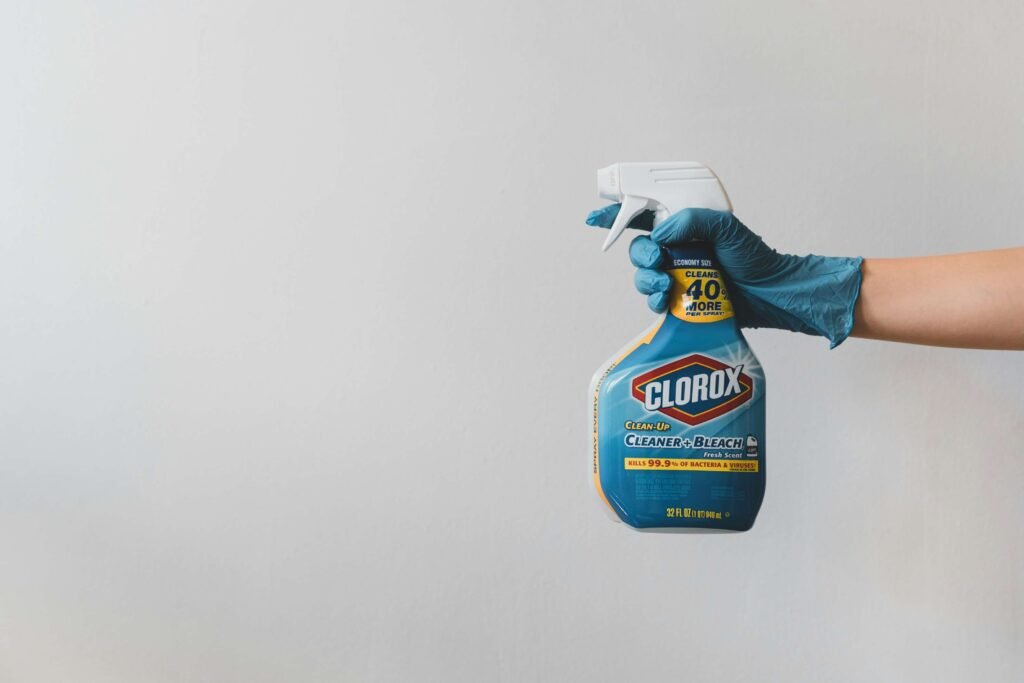
Whether you’re a cleaning novice or a seasoned pro, this guide will help you streamline your approach and tackle any mess that comes your way.
Essential Cleaning Tools
Having the right cleaning tools makes your chores easier and more effective. From scrubbing away tough stains to ensuring your floors are spotless, these essential tools will help you maintain a clean and organized home.
Brushes and Scrubbers
Brushes and scrubbers are vital for tackling tough grime in various areas of your home.
Consider having a variety of brushes, including:
- Toothbrush-sized scrubbers for tight spaces.
- Dish brushes for washing dishes and kitchen surfaces.
- Scrub pads for toilets and bathtubs.
Choose scrubbers with durable bristles that can handle heavy-duty cleaning without falling apart. When selecting a brush, look for ergonomic handles that provide a firm grip. This will make your cleaning routine more comfortable. Always have a separate brush for bathroom cleaning to avoid cross-contamination.
Sponges and Cloths
Sponges and cloths are staples in any cleaning arsenal. They are versatile and can be used for a range of tasks, from wiping counters to washing windows.
Consider the following types:
- Microfiber cloths: Great for dusting and polishing surfaces without scratching.
- Scrub sponges: Ideal for tough stains on pots and pans.
- Dishcloths: Perfect for drying dishes and wiping surfaces.
Make sure to keep your sponges fresh and clean by rinsing them thoroughly after use and allowing them to dry. Replace sponges regularly, especially if they begin to smell or look worn.
Mops and Buckets
Mops and buckets are essential for keeping your hard floors clean. A good mop should be easy to use and effective at soaking up spills.
Explore these options:
- String mops: Great for large areas, but they require more labor.
- Flat mops: Easier to maneuver and often come with washable pads.
- Steam mops: Use steam to sanitize surfaces without chemicals.
Choose a bucket that is sturdy and has a wringer to help remove excess water from your mop. This will prevent over-soaking, which can damage floors. Make sure to keep your mop heads clean and replace them as needed to maintain hygiene.
Brooms and Dustpans
Brooms and dustpans are your go-to tools for quick cleanups of dirt and debris.
Select brooms that suit your floors:
- Soft-bristle brooms for indoor surfaces.
- Stiff-bristle brooms for outdoor cleaning.
A dustpan with a rubber edge will help you gather dirt more effectively without leaving any behind. Look for dustpans with handles that fit comfortably in your hand. For optimal cleaning, consider having a small broom and dustpan set for quick jobs, such as cleaning up crumbs or dust.
Cleaning Solutions
A variety of cleaning solutions can help you maintain a tidy and sanitary home. These options include versatile all-purpose cleaners, specialized cleaners for unique tasks, disinfectants to ensure deep cleanliness, and eco-friendly choices for environmentally conscious individuals. Each type plays a vital role in your cleaning routine.
All-Purpose Cleaners
All-purpose cleaners are essentials in your cleaning arsenal. They are designed to tackle a wide range of surfaces and messes, making them convenient for daily use.
Look for a product that can effectively clean countertops, sinks, and floors.
When selecting an all-purpose cleaner, check for the following:
- Effectiveness: Ensure it removes dirt, grease, and grime.
- Safety: Choose non-toxic options, especially if you have pets or children.
- Scent: A pleasant fragrance can make cleaning feel more enjoyable.
Using an all-purpose cleaner can save you time and reduce the number of products you need. Make sure to follow the manufacturer’s instructions for optimal results.
Specialized Cleaners
Not all areas of your home can be cleaned with an all-purpose cleaner. Specialized cleaners are formulated for specific tasks, such as glass cleaning, bathroom disinfecting, or floor maintenance.
Some common specialized cleaners include:
- Glass Cleaners: Designed for streak-free shine on windows and mirrors.
- Bathroom Cleaners: Effective in removing soap scum and mildew from shower surfaces.
- Floor Cleaners: Tailored for hardwood, tile, or carpets, ensuring a safe clean.
Using the right specialized cleaner can enhance the longevity of your surfaces and make cleaning less of a chore. Always read the labels to ensure compatibility with your materials.
Disinfectants
Disinfectants are crucial for killing germs and bacteria, especially in high-touch areas like kitchens and bathrooms. They provide an additional layer of safety by eliminating harmful pathogens.
When choosing a disinfectant, consider:
- Active Ingredients: Look for EPA-approved ingredients like bleach or alcohol.
- Contact Time: Different products require varying times to effectively kill germs, so check the label.
- Surface Compatibility: Ensure the disinfectant is safe for the surfaces you wish to clean.
Using disinfectants regularly can help maintain a healthier environment in your home. Always follow the instructions for use to maximize effectiveness.
Eco-Friendly Options
For those who prefer greener choices, eco-friendly cleaning solutions offer effective alternatives without harsh chemicals. These products are often biodegradable and made from natural ingredients.
When selecting eco-friendly options, keep an eye out for:
- Natural Ingredients: Look for vinegar, baking soda, or essential oils.
- Certifications: Products with eco-certifications ensure lower environmental impact.
- Packaging: Choose brands that use recyclable or reusable packaging.
Using eco-friendly cleaning solutions can be just as effective while contributing to a cleaner planet. With a little research, you can find products that meet your needs while being kind to the environment.
Protective Gear and Accessories
Having the right protective gear is essential for safe and effective cleaning. It helps prevent injuries and protects you from exposure to harsh chemicals. Two critical components of protective gear include gloves and aprons, as well as goggles.
Gloves and Aprons
Gloves are a must-have when handling cleaning products to protect your skin from irritation and chemical burns.
Look for disposable latex or nitrile gloves that fit well to maintain dexterity while working. They are resistant to many common cleaning agents and liquids.
An apron serves to protect your clothing from spills and splashes.
Opt for a water-resistant apron that covers you adequately, making cleaning tasks easier and more enjoyable. Choosing an apron with pockets can also be handy for storing small tools or cleaning supplies while you work.
Goggles
Wearing goggles is crucial, especially when using strong chemicals or during tasks that may involve splashes.
Look for goggles that provide a tight fit and full coverage to shield your eyes effectively. Anti-fogging features are also beneficial, as they keep your vision clear while you clean.
Choose goggles with UV protection if using outdoor cleaning products. Remember to regularly clean your goggles to maintain visibility and prevent damage. Making these simple choices can help ensure a safe and efficient cleaning experience.
Organizing and Storage
Keeping your cleaning supplies organized and easily accessible can make a significant difference in your cleaning routine. Effective organization prevents clutter and saves time when you need to grab supplies. Here are some practical strategies to help you get started.
Caddies and Totes
Using caddies or totes is an efficient way to store and transport your cleaning supplies.
Look for a tote with compartments to keep items separated and easily reachable. A sturdy plastic or canvas option can be ideal for durability and easy cleaning.
Suggestions for Caddy Contents:
- All-purpose cleaner
- Microfiber cloths
- Sponges
- A scrub brush
Choosing a caddy with a handle makes it easier to move from room to room. Consider having a smaller caddy for quick tasks and a larger one for more extensive cleaning. This way, you are always prepared for any cleaning challenge!
Labels and Inventory
Labeling your cleaning supplies not only helps you find what you need quickly but also keeps you aware of your inventory levels.
Use clear, durable labels on each bottle or container to identify the contents easily.
Labeling Tips:
- Use waterproof labels to withstand spills.
- Color-code labels for easy categorization.
- Maintain a checklist to track supplies and restock as needed.
Taking inventory regularly ensures you won’t run out of crucial items. You can create a simple paper list, or use a notes app on your phone to keep track. Organizing your supplies this way will save you hassle during your cleaning sessions.
Waste Management
Effective waste management is crucial for maintaining a clean and organized environment. Knowing how to handle trash, recycling, and composting helps reduce clutter and promotes sustainability in your cleaning routine.
Trash Bags and Liners
Choosing the right trash bags and liners is essential for efficient waste disposal.
Opt for sturdy bags that won’t tear easily. Consider the size that fits your bins perfectly to prevent spills.
Types of Trash Bags:
- Standard Bags: Great for everyday waste.
- Heavy-Duty Bags: Ideal for yard waste or bulky items.
- Biodegradable Bags: Environmentally friendly option for those looking to minimize plastic use.
Using liners also makes it easier to clean bins. Simply replace the liner and wash the bin as needed, keeping odors at bay.
Recycling Bins
Implementing a recycling system can significantly reduce your waste footprint. Having designated bins for different materials encourages proper sorting.
Types of Recycling Bins:
- Single-Stream Bins: All recyclables go into one bin, making it simpler for you.
- Multi-Stream Bins: Separate bins for paper, plastic, and glass. This can be beneficial if your local recycling program requires it.
Ensure that each bin is clearly labeled. This reduces confusion and promotes better recycling habits in your household or business.
Compost Methods
Composting is an excellent way to manage organic waste while benefiting the environment. It involves collecting kitchen scraps and yard waste to create nutrient-rich compost.
Simple Composting Methods:
- Bokashi Composting: This anaerobic method uses a special culture to break down food waste quickly.
- Hot Composting: This method requires regular turning and high heat to decompose materials rapidly.
- Vermicomposting: This method uses worms to break down food scraps in a contained bin.
Start with kitchen scraps like fruit peels, coffee grounds, and vegetable trimmings. Avoid meat and dairy to keep your compost healthy.
Proper composting reduces landfill waste, enriches soil, and promotes a sustainable lifestyle.

Parker is a home and lifestyle writer at The Scandi Home, where they share a love for Scandinavian design, cozy living, and thoughtful interiors. Their writing focuses on simple, functional spaces that feel calm, warm, and lived-in.