
Cleaning with Vinegar: A Simple Guide to a Greener Home
Cleaning your home doesn’t have to mean using harsh chemicals. Vinegar is an effective, eco-friendly cleaning solution that can tackle a variety of tasks around the house. From freshening up surfaces to cutting through grime, it’s a versatile option that’s both affordable and safe for your family.
If you’re looking for an easy way to maintain a sparkling clean home, vinegar might be the key ingredient you need in your cleaning arsenal. You can use it for everything from disinfecting countertops to decluttering your kitchen appliances, making it a handy all-in-one cleaner.
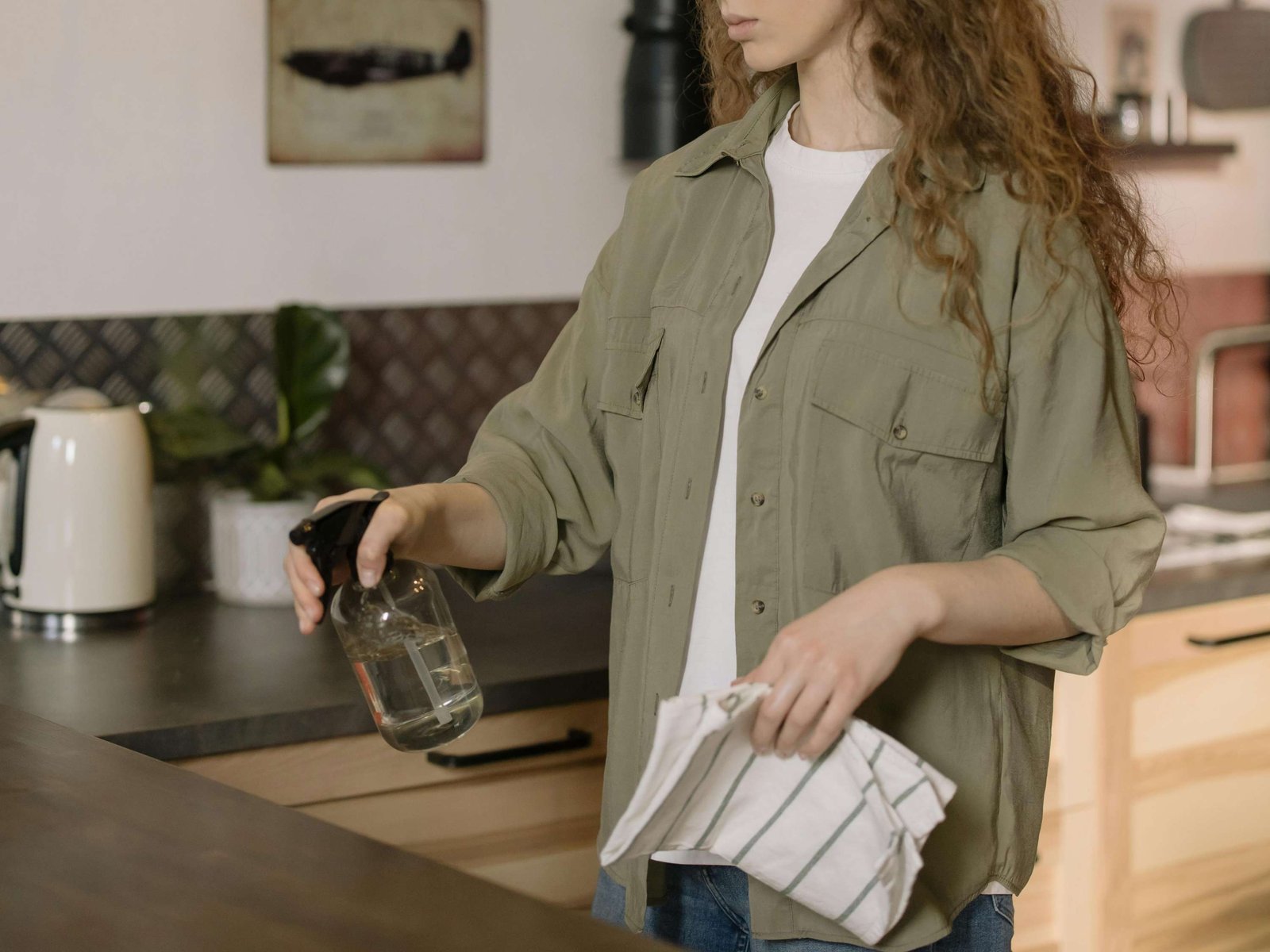
By incorporating vinegar into your cleaning routine, you not only reduce the number of chemical products you use but also embrace a more sustainable lifestyle. Get ready to discover some practical tips and uses for vinegar that will change the way you clean!
The Fundamentals of Cleaning with Vinegar
Vinegar is a versatile household item that serves more than just a culinary purpose. Understanding its composition and benefits can enhance your cleaning routine significantly.
What Is Vinegar?
Vinegar is a sour liquid produced through the fermentation of ethanol. Its primary component is acetic acid, which gives it a distinctive smell and cleaning properties. The most common type used for cleaning is white distilled vinegar, which usually contains about 5-7% acetic acid.
There are other varieties like apple cider vinegar and balsamic vinegar, but they are less effective for cleaning due to their additional flavors and sugars. For cleaning purposes, the acidity in vinegar helps break down stains, grease, and mineral deposits, making it an effective cleaning agent for various surfaces.
Why Use Vinegar for Cleaning?
There are several reasons to choose vinegar for your cleaning needs:
- Non-Toxic: Vinegar is safe to use around children and pets, unlike many chemical cleaners.
- Mildew and Mold Fighter: Its acidity helps eliminate mold spores and prevent future growth.
- Deodorizing: Vinegar neutralizes odors rather than just masking them, which is great for freshening up your home.
You can clean windows, countertops, and even carpets with vinegar. For tough stains, mix it with baking soda for a foaming reaction that lifts grime easily. It’s a budget-friendly option that minimizes the need for multiple specialized cleaners, making it ideal for an efficient cleaning routine.
Preparing Your Vinegar Cleaning Solution
Creating an effective vinegar cleaning solution is simple and can be tailored to specific cleaning tasks. Understanding the right recipes and dilution ratios will ensure optimal cleaning results.
Essential Vinegar Cleaning Recipes
For various cleaning needs, you can create several effective vinegar solutions. Here are a few essential recipes:
All-Purpose Cleaner: Mix equal parts of distilled white vinegar and water in a spray bottle. This is great for countertops, windows, and general cleaning.
Glass Cleaner: Combine 1 cup of vinegar with 1 cup of water and add a few drops of dish soap. This solution works wonders on glass surfaces.
Bathroom Mold Remover: Use pure vinegar (no water) in a spray bottle. Spray on affected areas and let it sit before wiping away.
Include a few drops of essential oils like tea tree or lavender for a pleasant scent and added antibacterial properties.
Proper Dilution Ratios
Dilution is key in maximizing the effectiveness of your vinegar cleaning solution while ensuring it is safe for various surfaces. Here are some recommended ratios:
General Cleaning: Use a 1:1 ratio of vinegar to water for most surfaces.
Tough Stains: For grease and heavy buildups, use a stronger mix of 2:1 vinegar to water.
Light Cleaning: For sensitive surfaces, consider a 1:3 ratio of vinegar to water.
Always test your cleaning solution on a small, inconspicuous area first to ensure compatibility with the surface.
Vinegar Cleaning Techniques and Surfaces
Vinegar is a versatile cleaner suitable for various surfaces and specific cleaning tasks. Here, you can explore effective techniques tailored to different surfaces and handy tricks for stubborn stains.
Surface-Specific Tips
When cleaning countertops, use a solution of equal parts vinegar and water. Apply it with a cloth and wipe clean. Vinegar effectively removes grease and leaves surfaces streak-free.
For glass surfaces, a 3:1 mixture of water to vinegar can work wonders. Spray it on the glass, then wipe with a microfibre cloth for a sparkling finish.
Stainless steel appliances can benefit from vinegar too. Mix vinegar with water and spray it on, allowing it to sit for a few minutes before wiping. This helps lift stuck-on debris without scratching.
In the bathroom, utilize vinegar to tackle hard water stains. Apply it to faucets and shower doors, let it sit, and then scrub away for a shiny result.
Stain Removal Tricks
For tough stains on fabrics, mix equal parts vinegar and water in a spray bottle. Spray the stain, let it soak for about 5-10 minutes, then blot with a clean cloth. This method is effective for both food and pet stains.
In the kitchen, if you have burnt-on food, soak the area with vinegar. After a few minutes, scrape gently with a non-abrasive tool, and the residue should lift easily.
For carpets, a mixture of two parts vinegar and one part dish soap can help lift stains. Apply the solution, let it sit for five minutes, then scrub with a brush. Rinse with water to remove any residue.
Safety and Precautions when Cleaning with Vinegar
When using vinegar for cleaning, it’s important to understand which materials can be harmed and how to create a safe routine. Here’s what you need to know.
Materials to Avoid with Vinegar
Certain surfaces and materials can be damaged by vinegar’s acidity. It’s best to avoid using vinegar on:
- Natural Stone: Surfaces like granite, marble, or limestone can etch or dull over time.
- Wood: Vinegar can strip finishes and cause wood to swell or crack.
- Electronics: Avoid using vinegar on screens or keyboards as it may damage delicate components.
If you’re unsure, test vinegar on a small, hidden area first. Always check the manufacturer’s care instructions for your furniture and appliances to prevent any accidental damage.
Creating a Safe Cleaning Routine
To keep your cleaning effective and safe, follow these guidelines:
Don’t Mix with Other Chemicals: Combining vinegar with bleach or hydrogen peroxide creates harmful gases. Always use vinegar alone for cleaning.
Ventilation is Key: Ensure good airflow in your cleaning area to avoid strong odors and potential irritation.
Use Appropriate Dilution: Mix vinegar with water for most cleaning tasks, aiming for a solution of about 5% acidity.
Store Properly: Keep vinegar in a cool, dark place, away from direct sunlight to maintain its efficacy.
Enhancing Vinegar’s Cleaning Power
You can easily boost the cleaning capabilities of vinegar by adding certain natural substances. These enhancements can target various cleaning tasks more effectively. Here’s how you can do it.
Natural Additives for Boosting Efficacy
Consider including natural additives in your vinegar mixture to increase its cleaning power. One popular option is baking soda. It creates a fizzing reaction that helps lift grime, especially in tough spots like sinks and ovens.
You can also add essential oils such as tea tree oil or lavender for their antibacterial properties and pleasant scent. A few drops will not only make your cleaning solution smell great but also enhance its efficacy against germs.
Another effective ingredient is lemon juice. Its natural acidity complements vinegar, providing additional stain-fighting power. Mixing one part vinegar with one part lemon juice can effectively tackle hard water stains and soap scum.
Combining Vinegar with Other Natural Cleaners
Pairing vinegar with other natural cleaners can create a powerful cleaning solution.
For example, mixing vinegar with dish soap can help cut through grease and grime on dishes and surfaces alike.
You can also combine vinegar with hydrogen peroxide for a potent disinfectant.
This duo works well in bathrooms and kitchens to eliminate bacteria and mold. Just be sure to use them in separate containers and apply them one after the other. Mixing them can reduce their effectiveness.
Lastly, using vinegar in conjunction with cornstarch can help clean windows and mirrors, leaving them streak-free.
Simply mix vinegar with cornstarch to create a paste, apply it to your glass surfaces, and wipe clean for a sparkling finish.

Parker is a home and lifestyle writer at The Scandi Home, where they share a love for Scandinavian design, cozy living, and thoughtful interiors. Their writing focuses on simple, functional spaces that feel calm, warm, and lived-in.