
Benefits of Yoga Squat (Malasana): A Simple Pose with Powerful Results
These days, many of us spend hours sitting—at work or at home. Staying in one position for too long can cause stiffness, poor posture, and low energy. Learning about the yoga squat can help you feel better.
The yoga squat, or Malasana, is a simple pose with big benefits if you practice it often. This guide will show you its benefits, how to do it right, and how to add it to your daily routine.
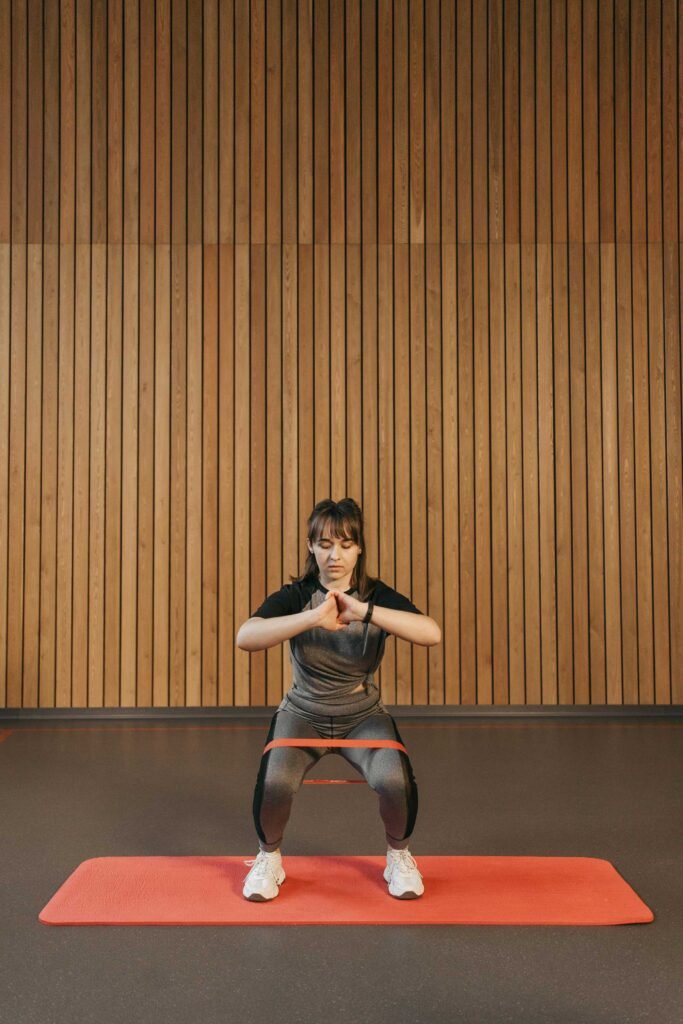
What Is a Yoga Squat (Malasana)?
The yoga squat is a deep squatting position in which your feet stay flat on the ground, and your hips drop close to the floor. It may look simple, but it works your entire lower body.
In some cultures, people often sit like this to eat or rest. Modern life has made this less common. Practicing Malasana helps your body move in a more natural way again.
Top Benefits of Yoga Squat
Knowing the benefits of yoga squat can inspire you to try it every day. Here are some of the main reasons to give it a go.
1. Improves Hip Flexibility and Mobility
A main benefit of yoga squat is that it helps your hips become more flexible. Sitting too much can make your hips tight, but Malasana gently loosens them.
According to the World Health Organization, adults should reduce sedentary time because prolonged sedentary time increases health risks. Practicing yoga squats helps counter this by improving movement.
2. Supports Better Digestion
Another important benefit of yoga squat is improved digestion. This pose puts gentle pressure on your abdomen. It helps stimulate your digestive organs.
Many people find they have less bloating and better bowel movements after practicing regularly. It’s like giving your stomach a gentle massage.
3. Strengthens Lower Body Muscles
Yoga squat strengthens your thighs, calves, and glutes. You don’t need any equipment to build muscle with this pose.
One of the best things about yoga squat is that it builds strength you use every day, like when you walk, bend, or lift things.
4. Enhances Posture and Spinal Health
Many people have poor posture these days. Yoga squat helps you keep your chest up and your back straight.
One of the lesser-known benefits of yoga squats is that they reduce lower back stiffness. Over time, it can naturally improve your posture.
5. Promotes Pelvic Floor Health
The benefits of yoga squats also include stronger pelvic floor muscles. This is especially helpful for women.
A strong pelvic floor helps with bladder control, core strength, and balance.
6. Boosts Balance and Stability
Holding yoga squat takes balance. It works your core muscles and helps you move with better coordination.
One practical benefit of the yoga squat is improved stability. This reduces the risk of falls, especially as you age.
7. Helps You Feel Calm and Grounded
Yoga isn’t only about the body—it also helps your mind. Doing yoga squat encourages slow breathing and mindfulness.
Harvard Health Publishing says yoga can lower stress and boost mental health. So, feeling more balanced emotionally is another great benefit of yoga squat.
How to Do the Yoga Squat Correctly
Practicing correctly helps you enjoy the full benefits of the yoga squat.
Starting Position
Start by standing with your feet a bit wider than your hips and your toes pointing out slightly.
Moving Into the Squat
Bend your knees slowly and lower your hips, making sure your heels stay on the ground.
Final Position
Put your hands together in front of your chest and gently press your knees outward with your elbows.
Breathing Tips
Take slow, deep breaths. Hold the pose for 30 to 60 seconds. This helps you maximize the benefits of the yoga squat.
Common Mistakes to Avoid
Avoiding mistakes ensures you get the full benefits of the yoga squat.
Heels Lifting Off the Ground
If your heels lift up, put a folded towel under them for support.
Rounding the Back
Keep your chest up to protect your spine.
Knees Collapsing Inward
Push your knees out a little to keep your joints safe.
Tips for Beginners
If you’re just starting, go slow. You’ll see the benefits of yoga squat with regular practice.
Sit on a yoga block if you need extra support. Practice near a wall for balance. Begin with 10 to 20 seconds and add more time as you get comfortable.
Modifications and Variations
You can adjust the pose based on your level and still enjoy the benefits of the yoga squat.
Beginner Modifications
Put a block under your hips or support under your heels if you need it.
Intermediate Variations
Try adding a twist: put one hand on the ground and lift the other. This helps your spine move more freely.
Advanced Variation
For a bigger challenge, try balancing on your toes.
Who Should Avoid Yoga Squat?
While the benefits of yoga squatting are many, some people should be careful.
Avoid this pose if you have knee injuries or severe ankle pain. If you are pregnant, consult a professional before practicing.
How Often Should You Practice Yoga Squats?
Consistency matters more than intensity. Practicing daily helps you enjoy the long-term benefits of yoga squat.
Begin with one minute a day and slowly add more time. You can do yoga squat in the morning or evening—whatever works best for you.
Watch: Yoga Squat Tutorial (Trusted Source)
Check out this helpful video from a trusted yoga channel to guide your practice:
Final Thoughts: Why You Should Add Yoga Squat to Your Routine
Yoga squat does more than improve flexibility. This simple pose also helps your digestion, posture, strength, and mental well-being.
You don’t need a gym or fancy equipment. Just a few minutes each day can make a real difference. Be consistent, pay attention to your body, and enjoy the process.
References
- World Health Organization – Physical Activity
https://www.who.int/news-room/fact-sheets/detail/physical-activity - Harvard Health Publishing – Yoga Benefits
https://www.health.harvard.edu/staying-healthy/yoga-benefits-beyond-the-mat

Parker is a home and lifestyle writer at The Scandi Home, where they share a love for Scandinavian design, cozy living, and thoughtful interiors. Their writing focuses on simple, functional spaces that feel calm, warm, and lived-in.