
The Hidden Connection Between Sleep Disorders and Substance Use: What You Need to Know
Understanding the Sleep-Substance Use Relationship
You might not realize it, but your sleep patterns could be telling you something important about your overall health—and potentially about your relationship with substances. The connection between sleep disorders and substance use is far more intricate than many people understand, creating a cycle that can be difficult to break without proper awareness and support.
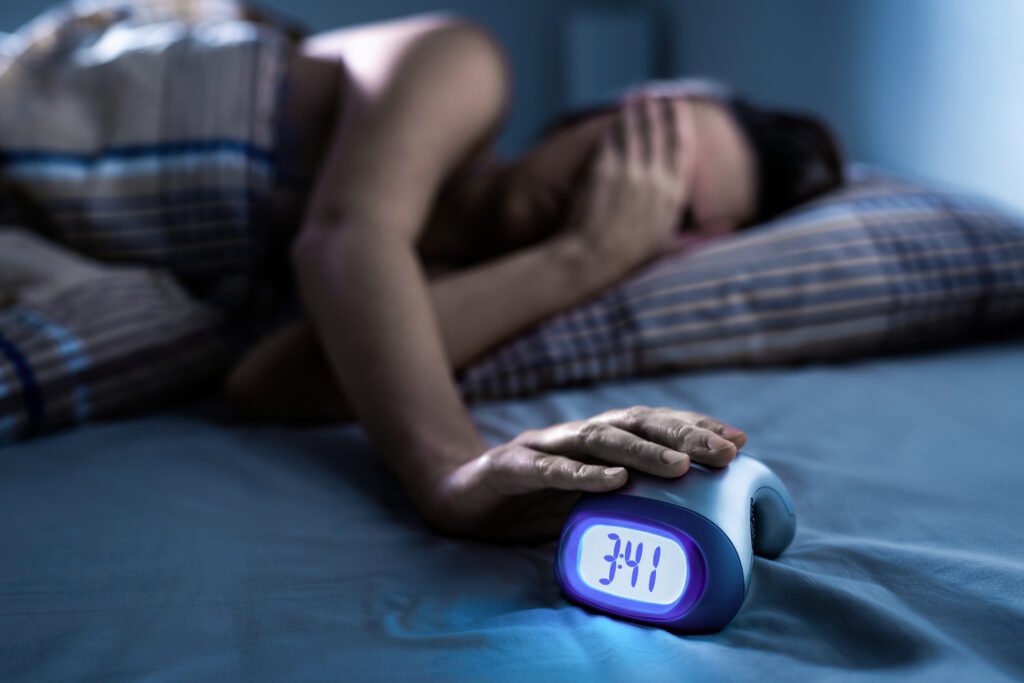
Sleep is one of those fundamental human needs that we often take for granted until something goes wrong. When you’re lying awake at 3 AM, watching the ceiling and counting the hours until your alarm goes off, your body and mind are experiencing real distress. What many people don’t know is that chronic sleep problems don’t just leave you tired—they can fundamentally alter how your brain functions, including how it responds to substances.
Research consistently shows that individuals with insomnia are significantly more likely to develop substance use concerns than those who sleep well. This isn’t coincidental. Your brain’s reward system, the same network involved in sleep regulation, also governs how you experience pleasure from substances. When one system is out of balance, it can create vulnerabilities in the other.
Why Sleep Problems Often Come First
If you’ve been struggling with sleep for months or years, you know how desperate that search for rest can become. You’ve probably tried everything: melatonin supplements, chamomile tea, meditation apps, blackout curtains, white noise machines. When none of these work consistently, it’s understandable that some people turn to other solutions.
Alcohol is often the first choice for self-medicating sleep problems. You might have noticed that a glass or two of wine helps you fall asleep faster. What’s happening in your brain, though, is more complicated. While alcohol can reduce the time it takes to fall asleep initially, it significantly disrupts your sleep architecture—the natural progression through different sleep stages that your body needs for true restoration.
During the second half of the night, as your body metabolizes alcohol, you experience what’s called a “rebound effect.” Your sleep becomes fragmented, you spend less time in REM sleep (the stage crucial for emotional regulation and memory consolidation), and you wake up feeling unrested despite having been “asleep” for seven or eight hours. This creates a vicious cycle: poor sleep leads to more alcohol use, which leads to worse sleep quality, which leads to increased reliance on alcohol.
Prescription sleep medications present a different but equally complex picture. Benzodiazepines and similar medications can be effective for short-term sleep problems, but they come with significant risks when used long-term. Your body develops tolerance, meaning you need higher doses to achieve the same effect. Physical dependence can develop within weeks of regular use, and stopping suddenly can trigger severe withdrawal symptoms—including, ironically, severe insomnia that’s often worse than your original sleep problem.
The Neurological Foundation of the Connection
To understand why sleep and substance use are so interconnected, you need to know a bit about your brain’s chemistry. Several neurotransmitter systems are involved in both sleep regulation and substance use, particularly GABA (gamma-aminobutyric acid), dopamine, and serotonin.
GABA is your brain’s primary inhibitory neurotransmitter—it’s what helps calm neural activity and prepare your brain for sleep. Many substances that people use to help with sleep, including alcohol and benzodiazepines, work by enhancing GABA activity. The problem is that when you regularly introduce external substances that affect GABA, your brain adapts by producing less of it naturally or by reducing the sensitivity of GABA receptors. This means that without the substance, your natural sleep mechanisms become even less effective than they were before.
Dopamine, the neurotransmitter associated with pleasure and reward, also plays a crucial role in maintaining wakefulness and regulating your sleep-wake cycle. Stimulants like cocaine, methamphetamine, and even excessive caffeine dramatically increase dopamine activity, which is why they keep you awake. But chronic use can dysregulate your entire dopamine system, making normal sleep patterns extremely difficult to maintain even when you’re not actively using.
Your circadian rhythm—the internal 24-hour clock that regulates when you feel alert and when you feel sleepy—can be severely disrupted by substance use. This biological clock is controlled by a small region in your brain called the suprachiasmatic nucleus, which responds to light and darkness to coordinate your sleep-wake cycle with the external environment. Chronic substance use can desynchronize this system, leading to a state where your body never quite knows when it should be asleep or awake.
Recognizing the Warning Signs
How do you know if your sleep problems and substance use have become intertwined in an unhealthy way? There are several patterns to watch for in your own life.
First, notice if you’ve started using substances specifically to help you sleep, and whether the amount you need has gradually increased over time. What started as one drink before bed might have become two or three. The occasional sleeping pill might have become a nightly necessity.
Second, pay attention to how you feel in the morning. If you’re waking up feeling foggy, unrested, or anxious despite getting adequate hours of sleep, your sleep quality is likely compromised. This is especially true if you’re using substances to help you sleep—you might be unconscious, but your brain isn’t getting the restorative sleep it needs.
Third, consider whether you’ve tried to stop using substances to help with sleep and found it extremely difficult or impossible. If attempting to sleep without your usual aid triggers significant anxiety or if you’ve experienced rebound insomnia that’s worse than your original problem, these are signs that physical dependence may have developed.
You might also notice that your sleep problems have expanded beyond just nighttime. Excessive daytime sleepiness, difficulty concentrating, mood changes, and decreased motivation can all indicate that your sleep architecture has been disrupted. These symptoms can make it harder to function during the day, which might lead to using stimulants to compensate, creating yet another layer of substance-related sleep disruption.
The Impact of Different Substances on Sleep
Each category of substance affects your sleep in distinct ways, and understanding these differences can help you recognize patterns in your own experience.
Opioids, including prescription pain medications and heroin, suppress REM sleep and can cause both insomnia and excessive sleepiness at different points in the use cycle. During withdrawal, people often experience severe insomnia that can last for weeks or even months, which is one of the primary reasons many people find it so difficult to stop using without professional support.
Stimulants like cocaine, methamphetamine, and prescription medications for ADHD can keep you awake for extended periods. Chronic stimulant use often leads to a pattern of binge use followed by “crash” periods where you sleep excessively. This completely disrupts your natural circadian rhythm, and even after stopping, it can take months for your sleep-wake cycle to normalize.
Cannabis presents a complicated picture. Many people use it specifically for sleep, and some research suggests it can reduce the time it takes to fall asleep. However, regular use suppresses REM sleep, and when you stop using, you often experience a rebound effect with extremely vivid dreams or nightmares. Long-term heavy use can also lead to dependence, with insomnia being a prominent withdrawal symptom.
Breaking the Cycle: What Actually Works
If you recognize yourself in these patterns, you might be wondering what you can actually do about it. The good news is that with the right approach, both sleep and substance use patterns can improve significantly—but it usually requires addressing both issues simultaneously rather than treating them separately.
Professional treatment programs that understand the connection between sleep disorders and substance use can provide integrated care that addresses both issues together. For example, the Arista Recovery Admission Process includes comprehensive assessments that evaluate sleep patterns alongside substance use, recognizing that effective treatment needs to address the whole picture rather than isolated symptoms.
Cognitive Behavioral Therapy for Insomnia (CBT-I) is considered the gold standard treatment for chronic sleep problems, and it’s particularly effective for people in recovery from substance use. Unlike medications, CBT-I addresses the underlying thoughts and behaviors that maintain insomnia. You learn techniques like stimulus control (using your bed only for sleep, not for worrying or scrolling through your phone), sleep restriction (temporarily limiting time in bed to consolidate sleep), and cognitive restructuring (changing anxiety-provoking thoughts about sleep).
The challenge is that CBT-I typically takes several weeks to show results, and during early recovery from substance use, sleep problems can be especially severe. This is where medical support becomes crucial. Certain non-addictive medications can help bridge the gap while your brain’s natural sleep mechanisms recover. Medications like trazodone, certain antidepressants, or gabapentin may be used temporarily under medical supervision to help restore sleep patterns without introducing new risks for dependence.
The Role of Sleep Hygiene in Recovery
You’ve probably heard about sleep hygiene before, but when you’re recovering from substance use, these practices become even more critical. Your brain is essentially relearning how to sleep naturally, and you can support this process through consistent habits.
Maintaining a regular sleep schedule—going to bed and waking up at the same time every day, even on weekends—helps reset your circadian rhythm. This can feel frustrating at first, especially if you’re lying awake for hours, but consistency is key. Your body needs reliable cues to reestablish its natural sleep-wake cycle.
Light exposure plays a powerful role in regulating your circadian rhythm. Getting bright light exposure, preferably natural sunlight, within the first hour after waking helps signal to your brain that it’s time to be alert. Conversely, dimming lights in the evening and avoiding blue light from screens for at least an hour before bed helps prepare your brain for sleep.
Physical activity can significantly improve sleep quality, but timing matters. Regular exercise, particularly aerobic exercise, has been shown to increase deep sleep and reduce the time it takes to fall asleep. However, vigorous exercise too close to bedtime can be stimulating and make it harder to fall asleep. Aim for morning or afternoon exercise when possible.
Your sleep environment matters more than you might think. Your bedroom should be cool (around 65-68°F is optimal for most people), dark, and quiet. If you live in a noisy environment, white noise machines or earplugs can help. Investing in a comfortable mattress and pillows isn’t a luxury—it’s a fundamental part of supporting your recovery.
Nutrition and Sleep in Recovery
What you eat and when you eat it can significantly impact your sleep quality, especially during recovery when your body is working to restore normal functioning. Caffeine is the obvious culprit—it has a half-life of about five hours, meaning that half of the caffeine from your afternoon coffee is still in your system at bedtime. If you’re struggling with sleep, try cutting off caffeine consumption by early afternoon or eliminating it entirely for a few weeks to see if it makes a difference.
Large meals close to bedtime can interfere with sleep by causing discomfort or acid reflux. However, going to bed hungry can also keep you awake. A light snack that combines complex carbohydrates with a small amount of protein—like whole grain crackers with cheese or a banana with a small handful of nuts—can help stabilize blood sugar overnight without causing digestive discomfort.
Certain nutrients play specific roles in sleep regulation. Magnesium, found in foods like leafy greens, nuts, and whole grains, helps activate neurotransmitters that calm the nervous system. Tryptophan, an amino acid found in turkey, eggs, cheese, and nuts, is a precursor to serotonin and melatonin. While you shouldn’t expect food alone to solve sleep problems, ensuring adequate nutrition supports your body’s natural sleep mechanisms.

Managing Expectations During Recovery
One of the most important things to understand is that sleep problems during early recovery are normal and expected. Your brain has been relying on external substances to regulate sleep, and it takes time—sometimes weeks or months—for natural sleep mechanisms to fully restore themselves.
This can be incredibly frustrating. You’ve made the difficult decision to stop using substances, and you might feel like your sleep has actually gotten worse. In many cases, it has temporarily. This is part of the healing process, not a sign that something is wrong or that you’re doing recovery incorrectly.
During this period, it’s crucial to have support from people who understand the connection between sleep and recovery. Trying to tough it out alone often leads to relapse, particularly because sleep deprivation impairs judgment and increases impulsivity—exactly the opposite of what you need when you’re working to maintain recovery.
Keep in mind that improvement isn’t always linear. You might have a few good nights of sleep followed by several bad ones. This doesn’t mean you’re back at square one—your brain is gradually reestablishing healthy patterns, and setbacks are part of the process. Tracking your sleep in a journal can help you notice gradual improvements that might not be obvious from day to day.
The Long-Term Benefits of Addressing Both Issues
When you successfully address both sleep problems and substance use together, the benefits extend far beyond just feeling more rested. Quality sleep supports every aspect of recovery and overall health.
Your emotional regulation improves dramatically with better sleep. The connection between sleep deprivation and mood disorders is well-established—even one night of poor sleep can significantly increase anxiety and irritability the next day. Chronic sleep problems are strongly associated with depression, and improving sleep is often one of the most effective ways to improve mood.
Cognitive function—your ability to think clearly, make decisions, and solve problems—depends heavily on adequate sleep. During recovery, you’re rebuilding your life and making important decisions about relationships, work, and health. Sleep deprivation impairs all of these cognitive abilities, making an already challenging process even harder.
Your physical health benefits as well. Sleep is when your body repairs tissues, consolidates memories, and regulates hormones. Chronic sleep deprivation is associated with increased risk for obesity, diabetes, cardiovascular disease, and weakened immune function. By addressing sleep problems, you’re not just improving your immediate quality of life—you’re investing in your long-term health.
Perhaps most importantly, the skills you develop to manage sleep problems—stress reduction techniques, behavioral changes, mindfulness practices—transfer to other areas of recovery and life. Learning to sit with discomfort instead of immediately reaching for a solution, establishing healthy routines, and asking for help when you need it are all skills that support lasting recovery.
Moving Forward With Hope
If you’re struggling with both sleep problems and substance use, it’s important to know that you’re not alone and that effective help is available. The connection between these issues is well-understood by professionals who specialize in addiction treatment, and integrated approaches that address both simultaneously offer the best chance for lasting improvement.
Your sleep will improve. It might not happen as quickly as you’d like, and the journey might be more challenging than you expect, but with the right support and strategies, your brain can and will relearn how to sleep naturally. The key is addressing both issues together rather than trying to fix one while ignoring the other.
Take the first step by being honest with yourself and with healthcare providers about both your sleep struggles and your substance use. This honesty opens the door to comprehensive care that can address the root causes rather than just managing symptoms. Your sleep matters, your recovery matters, and you deserve support in addressing both.

Parker is a home and lifestyle writer at The Scandi Home, where they share a love for Scandinavian design, cozy living, and thoughtful interiors. Their writing focuses on simple, functional spaces that feel calm, warm, and lived-in.