
Organized Planning: A Simple Guide to Plan Your Life and Work Better
Life often feels overwhelming when things are unorganized. You might have many tasks and goals, but without some structure, managing them gets tough. That’s why organized planning is helpful.
Organized planning brings order to your daily life. It helps you manage your time, lower stress, and focus on what matters most. Whether at home, work, or with personal goals, planning makes things run more smoothly.
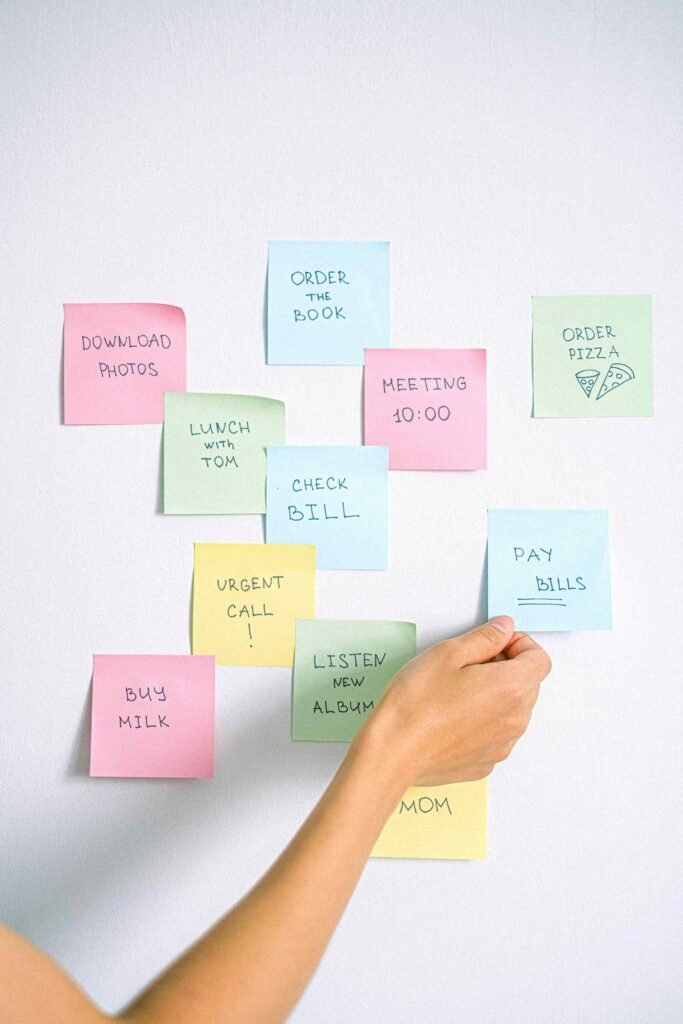
This guide will show you easy ways to use organized planning in your daily routine.
What Is Organized Planning?
Organized planning is about making a clear plan for your tasks and goals. It’s more than just writing a to-do list. It’s about arranging your tasks in a way that fits your needs.
For example, rather than doing chores at random, you make a schedule. Instead of guessing what to do each day, you plan with intention. That’s how organized planning works in everyday life.
You can use organized planning at home and at work. It helps with things like cleaning schedules, grocery shopping, work deadlines, and even planning family time.
Why Organized Planning Is Important
Organized planning helps lower daily stress. When you know what to do and when, you feel calmer and more in control.
Here are some key benefits of organized planning:
- Reduces stress and confusion
- Saves time and energy
- Improves productivity
- Helps you achieve goals faster
The American Psychological Association says about 44% of adults feel more stressed because of poor time management (APA). This highlights why organized planning matters.
Following an organized plan helps you feel more confident and focused.
Key Elements of Organized Planning
1. Clear Goals
A good plan begins with clear goals. It’s important to know what you want to achieve.
With organized planning, your goals should be simple and realistic. For instance, instead of saying “clean the house,” you might say “clean the kitchen today.”
2. Prioritization
Not every task is equally important. Some need your attention right away, while others can wait.
Organized planning helps you focus on what matters most. Simple lists can help you sort tasks by importance.
3. Time Management
Since time is limited, it’s important to use it well. Organized planning lets you break your day into blocks for different tasks.
For example, you might set aside time for cleaning, working, and relaxing.
4. Resource Management
This means making good use of your tools and space. A tidy, organized workspace makes planning easier.
When your space is free of clutter, your mind feels clearer too.
5. Flexibility
Life can be unpredictable, and even the best plans might change.
That’s why it’s important for your plan to be flexible. Adjust your plan when needed, and try not to stress about changes.
Step-by-Step Process of Organized Planning
Step 1: Set Your Goals
Begin by setting clear, simple goals that you can achieve.
Step 2: Break Tasks Into Smaller Steps
Big tasks can feel overwhelming, but organized planning makes them easier by breaking them into smaller steps.
Step 3: Create a Daily or Weekly Plan
Use a notebook, planner, or app to write down your tasks and set a time for each one.
Step 4: Take Action and Stay Consistent
Planning alone isn’t enough. You need to take action, and being consistent is the key to making your plan work.
Step 5: Review and Adjust Your Plan
At the end of each week, look back at your progress. Change your plan based on what worked and what didn’t.
Practical Tips for Better Organized Planning
Here are some easy tips to help you plan better:
- Start your day with a clear plan.
- Keep your workspace clean.
- Use a planner or mobile app.
- Avoid multitasking
- Set realistic deadlines
- Take regular breaks
A study from the University of California, Irvine found it takes about 23 minutes to refocus after a distraction (UC Irvine Study). This shows why planning and staying focused matter.
Common Mistakes to Avoid in Organized Planning
Even if you mean well, mistakes can still happen.
Here are common mistakes in organized planning:
- Overplanning without action
- Setting unrealistic goals
- Ignoring flexibility
- Not reviewing your plan.
- Trying to do everything at once
If you avoid these mistakes, your planning will work better.
Real-Life Examples of Organized Planning
Organized planning is useful in everyday life.
A busy parent can plan meals and cleaning tasks for the week. A remote worker can schedule work hours and breaks. A student can organize study time and assignments.
Small changes from organized planning can lead to big results.
Best Tools for Organized Planning
You don’t need fancy tools to plan in an organized way.
Simple tools include:
- Google Calendar
- Notion or Trello
- A simple notebook
- Wall planners
Pick the tools that fit your lifestyle best.
How Organized Planning Improves Mental Well-Being
Organized planning isn’t just about getting things done. It can also help your mental health.
It helps lower anxiety, gives you a sense of control, and helps you focus better.
According to the National Institute of Mental Health, structured routines can help reduce anxiety symptoms (NIMH).
When you stick to organized planning, your mind feels calmer and more balanced.
Conclusion
Organized planning is a simple but powerful way to make your daily life better. It helps you stay focused, lower stress, and reach your goals more easily.
You don’t have to be perfect. Start small, keep at it, and make changes when you need to.
Over time, organized planning will feel like a natural part of your routine.
FAQs About Organized Planning
What is organized planning in simple terms?
It means setting up your tasks and goals in a clear, organized way.
How can I start organizing daily planning?
Begin with a simple to-do list and set a time for each task.
What tools are best for organized planning?
You can use apps like Google Calendar or just a simple notebook.
How long does it take to build a planning habit?
It usually takes a few weeks of steady effort to build a habit.
Recommended Video
Here’s a helpful video from Brian Tracy :
References
- American Psychological Association – https://www.apa.org
- University of California, Irvine Study – https://ics.uci.edu
- National Institute of Mental Health – https://www.nimh.nih.gov

Parker is a home and lifestyle writer at The Scandi Home, where they share a love for Scandinavian design, cozy living, and thoughtful interiors. Their writing focuses on simple, functional spaces that feel calm, warm, and lived-in.