
Raising Kids: Simple, Practical Parenting That Really Works
Raising kids is deeply meaningful and also challenging. Some days are calm and rewarding; others are noisy, messy, and tiring. If you ever wonder if you’re doing enough or doing it right, you’re not alone.
With so much advice, parenting can feel overwhelming. This article shares simple, realistic ideas to build connection, structure, and emotional safety. You don’t have to be perfect—just consistent, present, and caring. That matters most.
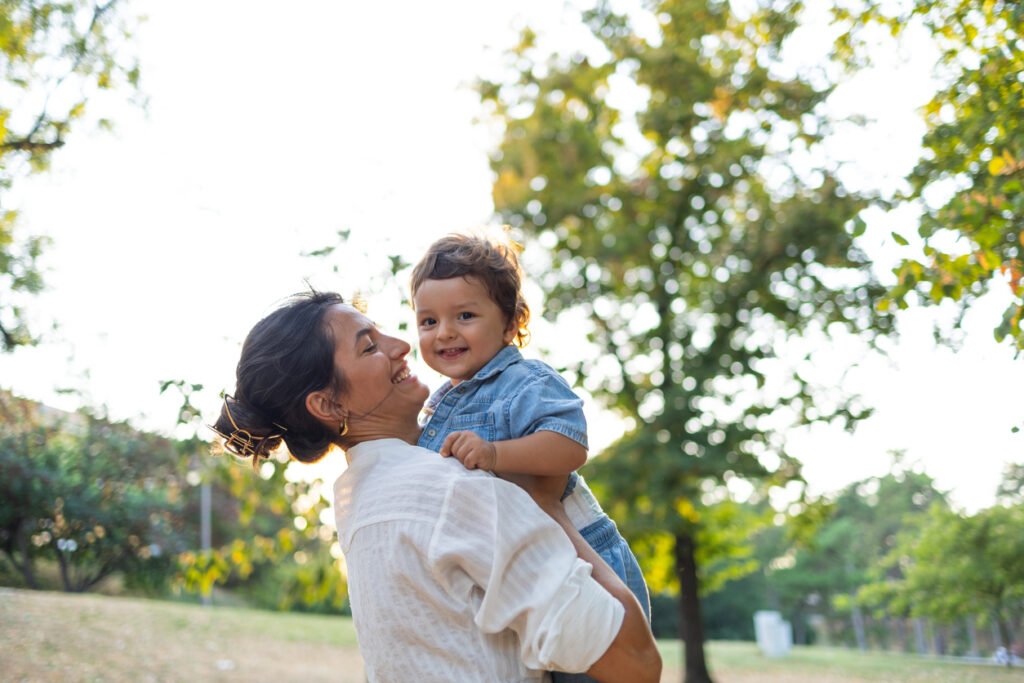
What Does Raising Kids Really Mean Today?
Today, raising kids is more than feeding them, teaching manners, or helping with homework. It also means supporting emotional health, building resilience, and ensuring they feel safe. Screens, packed schedules, and noise make parenting harder.
Raising kids means guiding with love and boundaries while letting them grow. Children don’t need perfect parents; they need parents who show up, listen, and try again when things don’t go as planned.
Why Simple Parenting Works When Raising Kids
Simple parenting works because kids thrive on clarity and connection. When parents have fewer, consistent rules, children know what to expect. This reduces confusion and stress at home.
According to the American Academy of Pediatrics, consistent routines and responsive caregiving help children feel secure and support healthy emotional development (AAP, 2023). When raising kids, simple habits like shared meals, bedtime routines, and calm communication can make a big difference.
10 Simple Principles for Raising Kids Well
1. Set Clear Boundaries for Right and Wrong
Kids feel safer when they know limits. Clear boundaries help them understand what’s expected and what happens if rules are broken. Set rules with simple words and enforce them calmly.
Don’t change rules because you’re tired or stressed. Consistency builds trust and teaches responsibility.
2. Focus on Connection Before Correction
Many behavior problems start because kids need attention. Before correcting, connect—use a calm voice, eye contact, or a gentle touch to shift the situation.
Research shows that positive parent-child relationships reduce behavioral issues and improve emotional regulation (Centers for Disease Control and Prevention, 2022). Raising kids with connection first helps discipline feel supportive rather than harsh.
3. Be Honest, but Keep It Age-Appropriate
Honesty builds trust. Kids sense when adults aren’t truthful, but they don’t need all the details.
Share things so your child can understand. This shows respect and prevents overwhelm.
4. Treat Your Child Like a Person
Kids have their own thoughts and feelings that matter. Listening with respect teaches problem-solving.
You don’t need to agree with every feeling, but let your child know you notice their emotions. This helps them feel seen and understood.
5. Create Daily Routines
Routines make life safer and more predictable. Simple routines for mornings, meals, and bedtime show kids what to expect.
A study in the Journal of Family Psychology found that children with consistent routines show better emotional control and lower stress levels. When raising kids, routines support both children and parents.
6. Be Consistent With Consequences
Empty threats confuse kids. If you say something will happen, follow through calmly. This teaches accountability and builds trust.
By being consistent with consequences, kids learn cause and effect without fear or shame.
7. Model the Behavior You Want to See
Kids learn more from what you do than what you say. Show kindness, patience, and respect every day so they can learn by example.
If you want your child to be calm, respond calmly yourself. If you want honesty, be honest too.
8. Make Time, Even in Small Moments
You don’t need hours of activities. Short, focused moments count: reading, talking at dinner, or listening at bedtime help you connect.
Studies show that quality time strengthens emotional bonds, even when total time is limited (Harvard Center on the Developing Child). Raising kids is about presence, not perfection.
9. Praise Effort, Not Just Results
Praise your child’s effort, not just results. This builds confidence and resilience. Trying matters more than being perfect.
Kids who get praised for their effort are more likely to develop a growth mindset and handle challenges well.
10. Love Unconditionally
Kids need to know they are loved no matter what. Their behavior is separate from their worth. Take correct actions, but always show care and support.
Unconditional love gives kids emotional safety, which is important as they grow and change.

Common Mistakes Parents Make When Raising Kids
Many parents try to do everything perfectly and end up worn out. Common mistakes include comparing kids to others or ignoring your own need for rest.
The CDC says that high parental stress can harm a child’s emotional health (CDC, 2021). Taking care of yourself helps you be patient with your kids.
Taking Care of Yourself While Raising Kids
Parenting takes energy and emotional strength. Taking care of yourself isn’t selfish—it’s essential. Rest, support, and time for yourself help you respond calmly.
Asking for help from family, friends, or professionals is a sign of strength. When you feel supported, so do your kids.
Frequently Asked Questions About Raising Kids
Is there a “right” way to raise kids?
There’s no single right way. Every child and family is unique. Focus on building connection, being consistent, and showing care.
How much discipline do kids really need?
Kids need clear limits and understanding. Discipline should guide, not just punish.
What matters most when raising kids?
What matters most is that kids feel safe, loved, and understood—more than any method.
A Helpful Parenting Resource
Final Thoughts:
Raising Kids Is a Journey. Raising kids isn’t a test you pass or fail. It’s a journey full of learning, growth, and second chances. What matters most are the simple, steady choices—not perfect moments.
By focusing on connection, consistency, and compassion, you create an environment where kids can grow up confident and cared for. That is the heart of raising kids.
References
National Institute of Child Health and Human Development (NICHD) – Parenting and Child Health
https://www.nichd.nih.gov/health/topics/parenting
American Academy of Pediatrics (AAP) – Parenting & Child Development
https://www.healthychildren.org
Centers for Disease Control and Prevention (CDC) – Essentials for Parenting Toddlers and Preschoolers
https://www.cdc.gov/parents/essentials
Harvard University – Center on the Developing Child – Serve and Return & Parenting Science
https://developingchild.harvard.edu
Journal of Family Psychology – Family Routines and Child Emotional Regulation
https://www.apa.org/pubs/journals/fam

Parker is a home and lifestyle writer at The Scandi Home, where they share a love for Scandinavian design, cozy living, and thoughtful interiors. Their writing focuses on simple, functional spaces that feel calm, warm, and lived-in.