
Pantry Inventory: A Simple Guide to Organizing Your Food Supplies
Keeping track of what you have in your pantry can save you time, money, and food waste. A well-organized pantry inventory allows you to easily see what ingredients are available. This helps you plan meals more efficiently and avoid unnecessary trips to the store.
Whether you’re a busy parent juggling meal prep, a college student managing a tight budget, or simply someone who wants to reduce food waste, creating a pantry inventory can greatly simplify your cooking experience. You’ll be amazed at how much easier it becomes to whip up delicious meals with what you already have on hand.
In this article, you’ll discover practical tips on how to start your pantry inventory, the benefits it brings, and helpful tools and templates that make the process a breeze. By the end, you’ll be equipped to transform your pantry into a well-managed space that supports your culinary adventures.
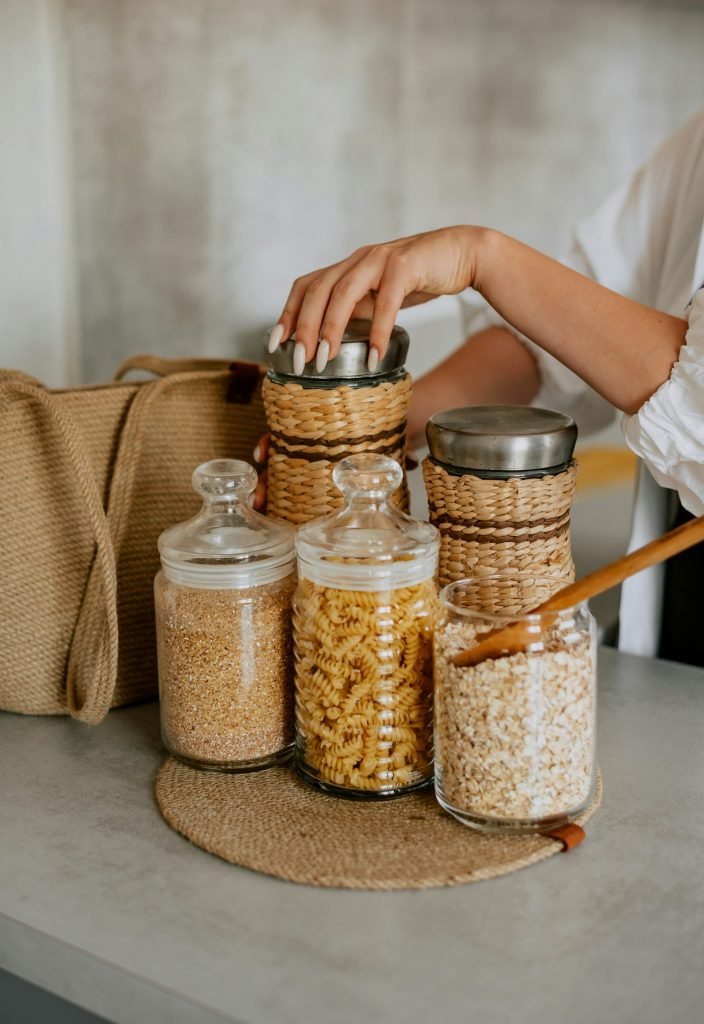
Essentials of Pantry Inventory Management
Managing your pantry inventory effectively ensures that you make the most of your food supplies while avoiding waste and unnecessary trips to the store. A structured approach can streamline meal prep and save you money.
Understanding Inventory Needs
To begin, assess what items you commonly use in your kitchen. Knowing your cooking habits helps you identify which staples to keep on hand.
Consider creating categories such as grains, canned goods, spices, and snacks. This organization allows you to see patterns in what you consume.
You might find it helpful to use a simple checklist for different inventory types—dry goods, refrigerated items, and frozen products.
This awareness not only dictates what to restock but also helps you avoid overbuying items you already have, keeping your pantry balanced and efficient.
Setting Up an Organized System
Next, it’s crucial to set up a system that works for you. Start by designating a specific area for your pantry items. Clear shelving can make a world of difference, so consider using bins or baskets to contain smaller items.
Labeling shelves and bins with their contents will help you find things quickly. This is especially useful for less frequently used items.
Regularly designated areas for high-use items like snacks and staple ingredients can also encourage a tidy pantry.
An organized space reduces confusion and makes restocking easier, which is especially important during busy weeks.
Inventory Tracking Techniques
Tracking your inventory can be simple and effective. One method is to maintain a digital or physical inventory list. You could use a spreadsheet or a dedicated app to keep track of items in your pantry.
Tech options like pantry management apps can make this even easier, allowing you to scan barcodes and monitor expiration dates.
Consider implementing a system to regularly check your inventory, perhaps weekly or monthly, to ensure items are fresh and up to date.
This proactive approach will save time and minimize waste by ensuring you’re using what you have before it spoils.
Optimizing Pantry Space
Maximizing your pantry space involves creative shelving solutions and effective zone creation. These approaches enhance accessibility and efficiency in your kitchen storage.
Shelving Solutions
When it comes to shelving, consider adjustable shelves. These allow you to modify the height according to your needs, accommodating both tall and short items. Utilize sturdy shelf organizers or risers for canned goods or jars, which makes everything visible and easily reachable.
Tip: Use clear bins for smaller items like snacks and spices. Label each bin for quick identification.
Over-the-door racks can provide additional storage for lighter items, creating vertical space. If you have limited floor space, consider wall-mounted shelves to display essentials without clutter.
Zone Creation
Creating zones in your pantry helps to keep similar items together, enhancing organization. Start by categorizing your pantry contents, like baking supplies, snacks, and cereals.
Examples of zones include:
- Baking Zone: Store flour, sugar, and baking sheets together.
- Snack Zone: Place chips, nuts, and granola bars in one area.
Assigning specific zones reduces the time spent searching for items. Consider placing frequently used items at eye level and storing less-used items on higher shelves. This strategy minimizes strain and enhances functionality in your pantry.
Inventory Procurement and Storage
Effective procurement and storage of pantry items is essential for maintaining an organized kitchen. Implementing smart buying strategies and proper storage techniques can help you maximize space and reduce waste.
Bulk Buying Strategies
When you consider purchasing in bulk, it’s important to choose items that you use frequently. This could include staples like rice, pasta, or canned goods.
Benefits of Bulk Buying:
- Cost Savings: Buying in larger quantities often reduces the unit price.
- Reduced Trips to the Store: Stocking up means fewer trips for replenishment.
- Minimized Waste: Fewer trips help you manage expiration dates more effectively.
Before bulk purchases, assess your pantry space. Store items in airtight containers to keep them fresh longer and avoid pests. Consider participating in community buying groups to split large quantities with neighbors, maximizing savings without excessive storage needs.
Proper Storage Practices
How you store your pantry items can significantly affect their longevity. Proper organization and environment play key roles in food safety.
Storage Tips:
- Temperature: Keep your pantry cool and dry. Avoid areas near heat sources like stoves or dishwashers.
- Labeling: Clearly label containers with contents and expiration dates to prevent confusion and waste.
- Arrangement: Place older items at the front and newer items toward the back to encourage usage of what’s about to expire first.
Utilizing clear bins can help you see stock levels at a glance, making it easier to keep track of what you have and what you need. Regularly reviewing your inventory ensures everything stays fresh and your pantry remains clutter-free.
Maintaining Inventory Accuracy
Keeping your pantry inventory accurate ensures you have the ingredients you need on hand and helps prevent waste. Regular checks for spoilage and expiration dates are crucial to effective inventory management.
Regular Audits and Checks
Conducting regular audits is essential for maintaining pantry accuracy. Schedule a monthly or bi-monthly inventory check to assess the items on your shelves.
Create a checklist of items to track, such as dry goods, canned items, and spices. Note the quantities and expiration dates during each audit.
This practice helps you identify discrepancies between your records and actual inventory, allowing you to correct any errors swiftly. Use tools like spreadsheets or specialized inventory apps to streamline this process.
Regular checks prevent overbuying and ensure that you use older items before they expire.
Dealing with Spoilage and Expiration
Managing spoilage and expiration dates is vital for effective inventory accuracy. When you receive new items, place them at the back of your pantry and move older items to the front.
This method, known as FIFO (first in, first out), maximizes the use of your pantry stock. Regularly check items for signs of spoilage, and promptly dispose of anything that is no longer good.
Consider implementing a color-coded labeling system. Use different colors to indicate approaching expiration dates.
This strategy helps you quickly identify items that need immediate attention. Keeping your pantry organized will contribute to more accurate inventory management and less waste.
Pantry Inventory Tools and Technology
Managing your pantry can be a breeze with the right tools and technology. You have options ranging from traditional methods to advanced software solutions. Each offers unique benefits to help you streamline your inventory management.
Manual versus Digital Tools
Manual tools include simple pen-and-paper methods for tracking food items. You can create a list, categorize items, and note expiration dates by hand. While this method is straightforward, it can be time-consuming and prone to errors.
Digital tools, on the other hand, offer convenience and efficiency. Apps like My Pantry Tracker allow you to scan barcodes and maintain a detailed inventory quickly. With features such as notifications for expiration dates and easy recipe suggestions, digital tools enhance your pantry management experience.
Utilizing Inventory Management Software
Using inventory management software transforms how you organize your pantry. Programs like Pantry Check enable you to add items via barcode scanning, which saves time.
Additionally, these platforms can help you track the quantity of each item, monitor expiration dates, and generate shopping lists.
Some apps even provide insights based on your inventory, helping you create meals with what you have on hand. With these tools, you can avoid waste and make the most of your pantry supplies.
Implementing Pantry Inventory Best Practices
Creating an efficient pantry inventory system can significantly reduce food waste and save you time. By prioritizing training and fostering a culture of continuous improvement, you can ensure that your pantry remains organized and functional.
Training and Responsibility
To start, implement training sessions for everyone involved in managing the pantry. This encourages ownership and responsibility among team members. Through hands-on practice, individuals learn how to categorize items effectively.
Consider using a checklist to guide them. Outline essential tasks such as:
- Regularly checking expiration dates
- Updating inventory lists
- Organizing products by category
Using a digital tool or simple spreadsheet can keep track of what you have and when items might expire. This not only improves accountability but keeps the pantry running smoothly.
Continuous Improvement
Encouraging continuous improvement means always looking for ways to enhance your systems.
Schedule regular reviews of your pantry inventory practices. This is a great time to discuss what’s working and what isn’t.
Gather feedback from everyone involved. Ask them questions like:
- What challenges did you face last month?
- Are there tools or processes that could be improved?
Consider adopting new methods based on this feedback, such as implementing a new organizational style or trying out a different inventory management app.
Innovations can lead to greater efficiency and better food management.

Parker is a home and lifestyle writer at The Scandi Home, where they share a love for Scandinavian design, cozy living, and thoughtful interiors. Their writing focuses on simple, functional spaces that feel calm, warm, and lived-in.