
Kitchen Layout Dimensions for Perfect Functional Design
Introduction
Designing a kitchen isn’t only about looks. Comfort, flow, and how easy it is to use matter just as much. Knowing the right kitchen layout dimensions helps make your kitchen safe and simple for everyday use.
Some homeowners overlook proper sizing and end up with cramped or awkward kitchens. Using the right kitchen layout dimensions helps you avoid these problems and create a space that feels open, organized, and practical.
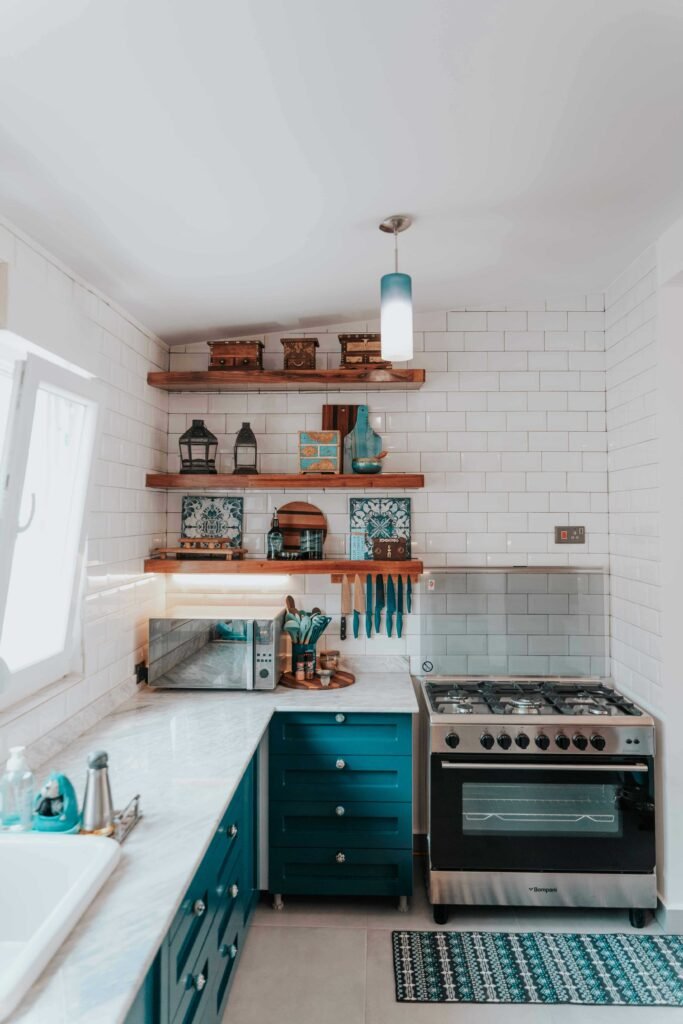
This guide covers the key dimensions you need to know before you design or remodel your kitchen.
Why Kitchen Layout Dimensions Matter
Good design begins with the right measurements. Kitchen layout dimensions affect how you move, cook, and clean. If things are too close together, it can feel cramped. If they’re too far apart, you might waste time moving around.
The Titchen & Bath Association says that proper spacing makes kitchens more efficient and safer. This highlights how important dimensions are in everyday life.
When you follow standard measurements, you create a kitchen that works for you, not against you.
Standard Kitchen Layout Dimensions You Should Know
Knowing standard kitchen layout dimensions helps you plan more effectively. These common measurements are used because they make kitchens comfortable and efficient.
Countertop Height and Depth
Countertops are usually about 36 inches high, which suits most people. The standard depth is around 24 inches, giving you enough workspace without making you reach too far.
These dimensions help you cook comfortably without bending or stretching much.
Walkways and Traffic Paths
Walkways should be at least 36 inches wide. For work aisles, try for 42 to 48 inches. This gives everyone enough room to move, even if several people are in the kitchen.
Having the right walkway dimensions helps prevent crowding and keeps your kitchen safer.
Upper Cabinet Height
Upper cabinets are usually placed 18 inches above the countertop. This gives enough space for small appliances and easy access.
These measurements help balance storage space and ease of use in your kitchen.
Toe Kick Dimensions
Toe kicks are the space at the bottom of base cabinets. They are usually 3 to 4 inches high and about 3 inches deep. This small detail improves comfort while standing.
Kitchen Work Triangle Dimensions Explained
The work triangle connects the sink, stove, and refrigerator. It is a key part of kitchen layout dimensions.
The total distance of the triangle should be between 13 and 26 feet. Each side should not be too long or too short. This keeps everything within reach.
A well-planned kitchen layout helps you avoid extra steps, so you can cook faster and more efficiently.
Kitchen Cabinet Dimensions Guide
Cabinets play a major role in storage and design. Knowing the right kitchen cabinet layout dimensions helps you avoid mistakes.
Base Cabinets
Base cabinets are usually 34.5 inches high without the countertop and about 36 inches with it. They’re typically around 24 inches deep.
These standard cabinet dimensions give you enough storage and support for your kitchen needs.
Upper Cabinets
Upper cabinets are typically 12 to 15 inches deep. This keeps them accessible without blocking your view.
Choosing the right cabinet dimensions makes sure your kitchen is both practical and comfortable.
Tall Cabinets (Pantry)
Tall cabinets are usually between 84 and 96 inches high. They give you extra space for storing food and appliances.
Kitchen Island Dimensions and Spacing
Kitchen islands add extra workspace and style. However, they must follow the correct kitchen layout dimensions.
Islands should be at least 24 to 36 inches wide, with 36 to 42 inches of space around them. This makes it easy to move around your kitchen.
If you want seating at your island, plan for about 24 inches per person. These dimensions help make your island comfortable and practical.
Appliance Spacing and Placement Dimensions
Appliances need proper spacing to function well. Good kitchen layout dimensions make daily tasks easier.
Put the dishwasher next to the sink to make loading and unloading easier. Make sure the fridge has enough room for the door to open all the way.
Install the range hood 24 to 30 inches above the stove. These small details help keep your kitchen safe and efficient.
Kitchen Clearances and Walkway Standards
Clearances are an important part of kitchen layout. Walkways are for moving around, while work aisles are for cooking.
Work aisles should be wider than walkways so you can move easily while cooking.
Houzz Kitchen Trends reports that homeowners like kitchens with open, comfortable layouts. Using the right kitchen layout dimensions helps you achieve this.
Landing Zones and Functional Space Planning
Landing zones are spots next to appliances where you can set things down. For example, you’ll want space next to the stove for hot pots.
Experts suggest having at least 12 to 15 inches of landing space. This makes your kitchen safer and more convenient.
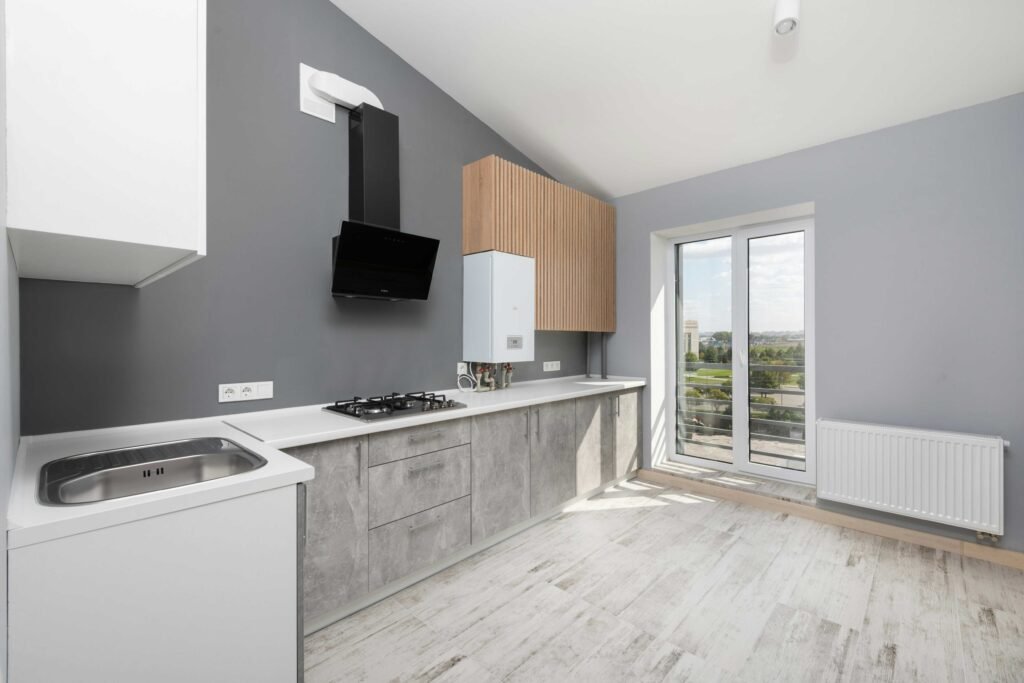
Common Kitchen Layout Sizes
Kitchen sizes depend on the type of home. Small kitchens are usually 70 to 100 square feet, while medium ones range from 100 to 200 square feet.
Large kitchens can be over 200 square feet. No matter your kitchen’s size, using the right layout dimensions really matters.
Tips to Get Kitchen Layout Dimensions Right
Begin by measuring your space carefully, and always double-check your numbers before making any changes.
Use design tools or ask a professional for help if you need it. Statista reports that many homeowners renovate their kitchens to make them work better.
Sticking to the right kitchen layout dimensions helps you avoid expensive mistakes.
Conclusion
A well-designed kitchen begins with the right measurements. Kitchen layout dimensions aren’t just numbers—they shape how your kitchen looks, feels, and works.
By following standard guidelines, you can make your kitchen comfortable, efficient, and safe. Take your time to plan and pick dimensions that suit your lifestyle.
With the right planning, your kitchen can become one of the best places in your home.
Helpful Video Guide
Check out this helpful guide from a trusted source:
FAQs
What is the standard height for a kitchen counter?
The standard height is about 36 inches, including the countertop.
How much space is needed between kitchen counters?
You need at least 36 inches, but 42 to 48 inches is ideal for work areas.
What is the ideal kitchen work triangle dimension?
The total distance should be between 13 and 26 feet.
How deep should kitchen cabinets be?
Base cabinets are about 24 inches deep, while upper cabinets are 12 to 15 inches deep.
How high should upper cabinets be from the countertop?
They are usually placed 18 inches above the countertop.
References
- National Kitchen & Bath Association (NKBA): https://nkba.org/
- Houzz Kitchen Trends: https://www.houzz.com/magazine
- Statista Housing Data: https://www.statista.com/

Parker is a home and lifestyle writer at The Scandi Home, where they share a love for Scandinavian design, cozy living, and thoughtful interiors. Their writing focuses on simple, functional spaces that feel calm, warm, and lived-in.