
How to Organize Kids’ School Papers Without Feeling Overwhelmed
If you have school-age kids, you probably know the struggle with all the papers. Artwork, worksheets, notes, and certificates seem to pile up so quickly. Figuring out how to organize kids’ school papers can feel tiring, especially when there are memories attached.
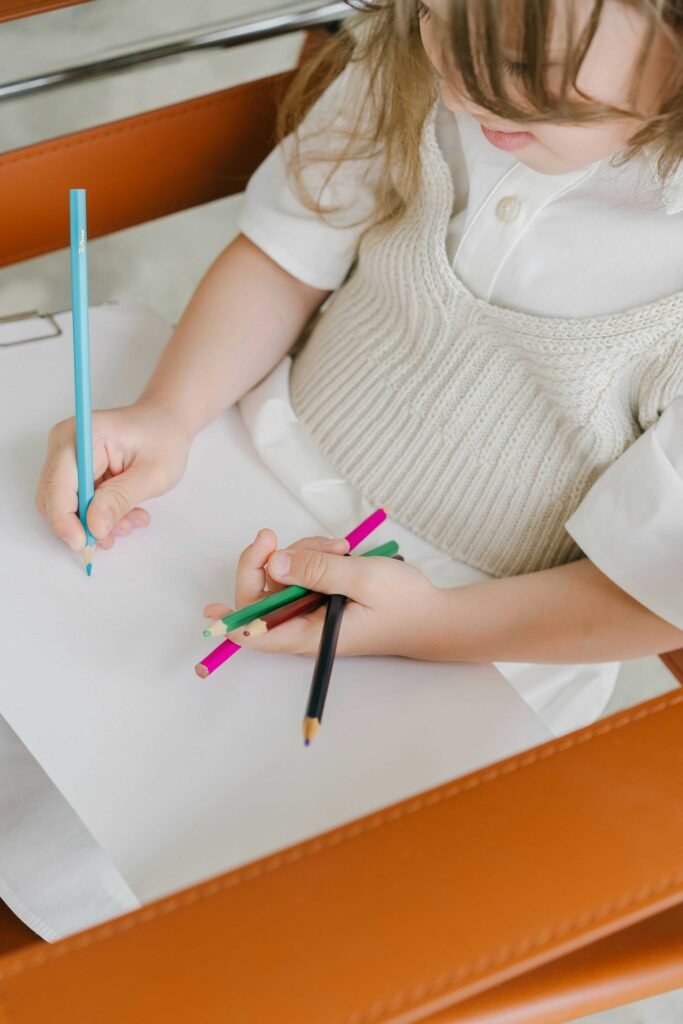
The good news is you do not need a complicated system. A simple routine you can stick with will help you organize kids’ school papers and keep your home calm and clutter-free.
Why It’s Important to Organize Kids’ School Papers
Paper clutter is not just about having too much stuff. It can also affect how you feel. Research from the UCLA Center on Everyday Lives of Families found that cluttered homes are linked to higher stress levels in parents, especially mothers (UCLA CELF).
When you learn how to organize kids’ school papers, you reduce daily stress and decision fatigue. You also protect meaningful memories without saving everything.
How to Organize Kids’ School Papers: A Simple System That Works
This system is about building good habits, not being perfect. The aim is to make progress and feel at ease, not to save everything like a museum.
Step 1: Clear Backpacks and Folders Every Day
The first step in organizing kids’ school papers is stopping piles before they start. Empty backpacks and folders daily or at least several times a week.
This habit keeps paper from piling up and helps you avoid losing important notices. Taking a few minutes each day can save you hours of sorting later.
Step 2: Create a Display Area for Special Papers
Kids love seeing their work displayed. Choose one small space for this purpose:
- A fridge corner
- A corkboard
- A single frame
Switching out papers each week lets your child feel proud, but keeps your home from getting covered in artwork. This step is important for organizing kids’ school papers without feeling guilty.
Step 3: Decide What Truly Deserves to Be a “Keeper”
You do not need to keep every paper forever. When organizing kids’ school papers, it helps to decide what is truly important.
Keep:
- Firsts (first drawing, first sentence)
- Milestones
- Papers with emotional meaning
Let the rest go. The Child Mind Institute says that reducing clutter helps both children and parents manage their emotions better (Child Mind Institute).
How We Used to Store School Papers (And Why It Failed)
Many families start out organized, but over time, file boxes, folders, and bins fill up. Papers get mixed together, and the guilt of not sorting them grows.
This method often does not work because there are no clear limits. To organize kids’ school papers well, it is important to set boundaries for what you keep.
A Better Way to Organize Kids’ School Papers
A simple hybrid system works best for most families.
Option 1: Use a School Memory Box
A memory box keeps papers contained and organized.
What to include:
- One box per child
- Hanging folders labeled by grade or year
- A clear size limit
This system lets you organize kids’ school papers without having to overthink every choice.
Option 2: Photograph and Store Papers Digitally
Storing papers digitally is a clutter-free option. Many parents now take photos of school papers and keep them on their devices.
The American Academy of Pediatrics supports reducing household clutter to improve family well-being (HealthyChildren.org).
You can store photos by:
- Child name
- School year
- Type of work
Tips for Photographing Kids’ School Papers
Good photos make digital organizing easier.
- Use natural daylight
- Place papers on a plain background
- Crop and straighten images
- Name files clearly (ChildName_Grade_Year)
These tips make organizing kids’ school papers digitally feel manageable.
Creating a Simple Ongoing Workflow
Being consistent is more important than having a complicated system when it comes to organizing kids’ school papers.
Weekly Reset Routine
Once a week:
- Empty folders
- Choose one display item.
- File, photograph, or recycle papers
This routine helps keep clutter from coming back.
End-of-Year Review
At the end of each school year:
- Keep only the best papers.
- Create a photo book if desired.
- Recycle the rest guilt-free
This step reinforces how to organize kids’ school papers in the long term.
Exceptions to the Paper Rule
Some items deserve special care:
- Handwritten notes from teachers
- Cards with personal messages
- Artwork tied to big moments
Simple living allows flexibility. Learning how to organize kids’ school papers means honoring meaning, not following rigid rules.
Why This System for Organizing Kids’ School Papers Works
This approach works because it:
- Limits volume
- Reduces emotional stress
- Protects memories
- Fits real family life
Families are more likely to stick with systems that feel realistic. That is the real secret to organizing kids’ school papers successfully.
Helpful Video Resource
The Child Mind Institute shares excellent guidance on routines and reducing overwhelm for families.
📺 YouTube Video:
Final Thoughts
Organizing kids’ school papers is not about being perfect. It is about making your home feel calm and keeping what matters most.
Start with small steps and keep things simple. Let your system make life easier, not more stressful. With a few good habits and clear limits, paper clutter does not have to take over your home or your mind.
References
- UCLA Center on Everyday Lives of Families – Clutter & Stress
https://newsroom.ucla.edu - Child Mind Institute – Organization and Emotional Health
https://childmind.org - American Academy of Pediatrics – Family Routines and Well-Being
https://www.healthychildren.org

Parker is a home and lifestyle writer at The Scandi Home, where they share a love for Scandinavian design, cozy living, and thoughtful interiors. Their writing focuses on simple, functional spaces that feel calm, warm, and lived-in.