
Holistic Women’s Wellness: A Balanced Approach to Health at Every Stage
Women take on many responsibilities. They care for families, build careers, manage households, and help their communities. But while looking after others, their own health can be overlooked. This is why holistic women’s wellness is becoming more important.
According to the Centers for Disease Control and Prevention (CDC), heart disease remains the leading cause of death for women in the United States. Mental health challenges are also common. The CDC reports that women are more likely than men to experience anxiety and depression.
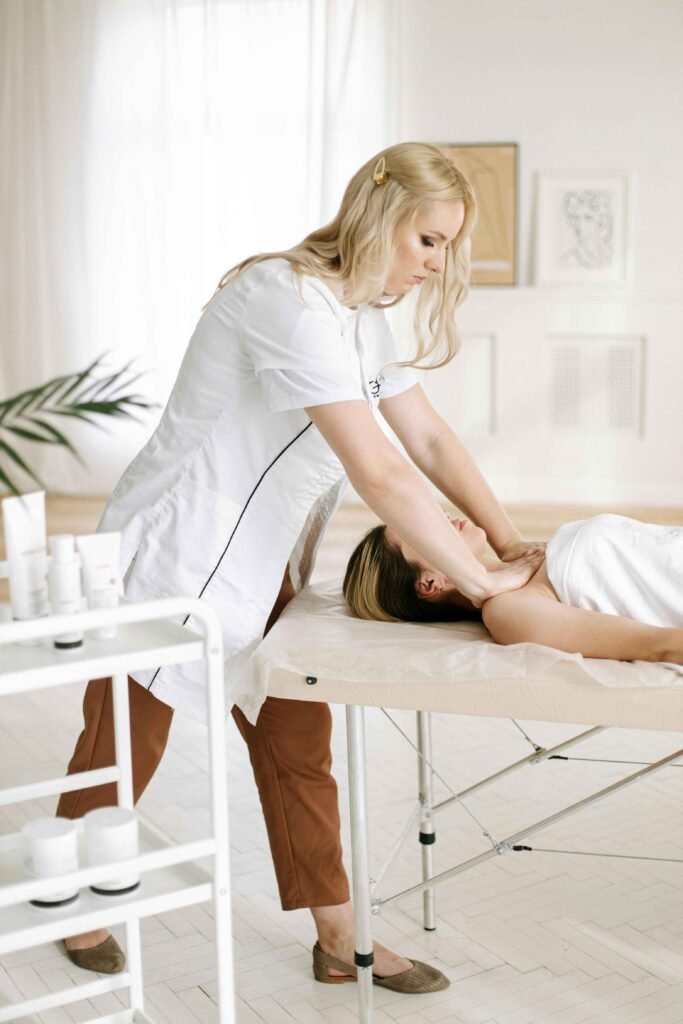
These facts show why holistic women’s wellness matters. It goes beyond treating symptoms and focuses on the whole person: mind, body, hormones, and lifestyle.
What Is Holistic Women’s Wellness?
Holistic women’s wellness is about caring for all aspects of a woman’s health, not just treating illness. It brings together nutrition, movement, sleep, emotional support, and preventive medicine.
Rather than waiting for problems to arise, holistic women’s wellness encourages daily habits that protect long-term health. It values emotional well-being as much as physical strength.
Simply put, holistic women’s wellness is about balance. It asks not just “What is wrong?” but also “What does my body need?”
The Core Principles of Holistic Women’s Wellness
Hormonal Balance
Hormones influence mood, energy, sleep, and metabolism. Eating balanced meals, getting regular sleep, and managing stress all help keep hormones healthy.
Holistic women’s wellness encourages women to learn about their cycles and pay attention to their bodies.
Mind-Body Connection
Stress affects physical health. Ongoing stress raises cortisol levels, which can weaken the immune system and harm heart health. The American Psychological Association explains that stress impacts many body systems.
Practices such as meditation, journaling, and deep breathing are important tools in holistic women’s wellness.
Preventative Care
Regular checkups, healthy eating, and exercise help prevent long-term illness. Prevention is a key part of holistic women’s wellness.
Empowerment Through Education
Women should understand their health. Asking questions, keeping track of symptoms, and speaking up for their needs all support holistic women’s wellness.
Holistic Women’s Wellness at Every Life Stage
Every stage of life brings new needs. Holistic women’s wellness adapts to each season.
Teen Years – Building the Foundation
The teen years shape lifelong habits. Teaching young women about nutrition, managing emotions, and understanding their bodies supports holistic women’s wellness early on.
Building healthy self-esteem can also help prevent mental health problems later in life.
Young Adulthood – Strengthening Habits
During young adulthood, women juggle school, work, and relationships. This can lead to more stress.
Focusing on sleep, exercise, and eating whole foods helps support holistic women’s wellness during these busy years.
Motherhood – Supporting Body and Mind
Motherhood changes both the body and mind. Recovering after childbirth takes time and gentle care.
The CDC reports that about 1 in 7 women experience postpartum depression (https://www.cdc.gov/reproductivehealth/depression/index.htm). Supporting mental health is a key part of holistic women’s wellness during this stage.
Support from others, enough rest, and healthy eating help mothers stay strong.
Perimenopause and Menopause – Embracing Change
Hormonal shifts during perimenopause and menopause can cause hot flashes, mood swings, and sleep disruption.
During menopause, holistic women’s wellness focuses on strength exercises, heart health, and managing stress.
Making changes to daily habits can often ease symptoms and improve quality of life.
Post-Menopause – Longevity and Strength
After menopause, taking care of bones and heart health becomes even more important. The CDC says heart disease is the top cause of death for women.
Strength training, balanced nutrition, and social connection remain central to holistic women’s wellness in later years.
Integrative Tools for Holistic Women’s Wellness
Women can support holistic wellness at home with simple habits.
- Nutrient-dense meals rich in fiber and healthy fats
- Daily walks or yoga sessions
- Deep breathing exercises
- Herbal teas (with professional guidance)
- Bedtime routines that help you get good sleep
Even small habits matter. Just ten minutes of stretching or journaling each day can support holistic women’s wellness.
For educational health content, Devi Brown Well-Being provides helpful video here:
How Holistic Women’s Wellness Differs from Conventional Care
Conventional medicine usually treats symptoms, while holistic women’s wellness tries to find and address the root causes.
This does not mean you should avoid medical care. Instead, holistic women’s wellness works alongside traditional treatment by adding lifestyle support.
Medication and healthy lifestyle changes can work together to improve results.
Can You Practice Holistic Women’s Wellness with a Busy Schedule?
Yes, you can.
You do not need to spend hours each day. Small routines can lead to lasting change. Drink water when you wake up, take short walks, and make simple meals at home.
These small steps form the foundation of holistic women’s wellness even in busy seasons.
How to Find a Qualified Provider
If you want expert help, look for licensed providers who are trained in integrative or functional medicine.
Ask about their approach to treatment. A good practitioner will value both science and lifestyle changes in holistic women’s wellness.
Frequently Asked Questions
Is holistic women’s wellness evidence-based?
Many parts of holistic women’s wellness, like exercise and nutrition, are well supported by research.
What are the pillars of holistic women’s wellness?
The main pillars are nutrition, movement, stress management, sleep, preventive care, and emotional health.
Can holistic care replace traditional medicine?
No. Holistic women’s wellness is most effective when used together with regular medical care.
Final Thoughts
Holistic women’s wellness is not a trend. It is a lifelong approach to balance.
Women deserve care that respects their bodies, minds, and every stage of life. Small, steady habits help protect long-term health.
When women focus on holistic wellness, they improve their own lives and also help their families and communities thrive.
References
- Centers for Disease Control and Prevention. Leading Causes of Death in Women.
https://www.cdc.gov/women/lcod/index.htm - CDC. Postpartum Depression.
https://www.cdc.gov/reproductivehealth/depression/index.htm - American Psychological Association. Stress Effects on the Body.
https://www.apa.org/topics/stress/body - U.S. Department of Health & Human Services. Women’s Health Resources.
https://www.womenshealth.gov

Parker is a home and lifestyle writer at The Scandi Home, where they share a love for Scandinavian design, cozy living, and thoughtful interiors. Their writing focuses on simple, functional spaces that feel calm, warm, and lived-in.