
Energy Drinks and Anxiety: What You Need to Know
A lot of people grab energy drinks to help them stay awake during busy mornings or late-night study sessions. These colorful cans claim to boost focus, stamina, and performance. Lately, though, more people are wondering if energy drinks are linked to anxiety.
If you have ever felt shaky, restless, or uneasy after drinking an energy drink, it is a real effect. Studies show that caffeine and lots of sugar can make anxiety symptoms worse. The National Institute of Mental Health (NIMH) says that more than 40 million adults in the United States deal with anxiety disorders each year. For people who are already sensitive to stress, energy drinks can make anxiety even harder to manage.
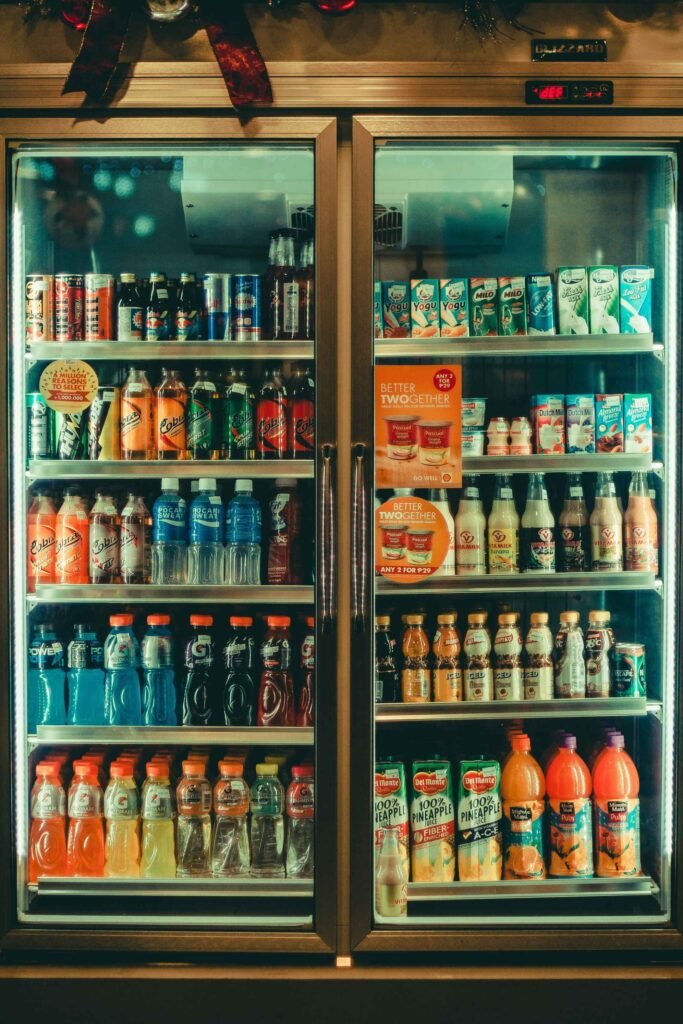
This article looks at how energy drinks affect your brain, why they are often linked to anxiety, and what healthier choices you can try instead.
What Are Energy Drinks?
Energy drinks are beverages designed to boost alertness and performance. They usually contain high amounts of caffeine, sugar, and stimulants like taurine and guarana. Some brands contain 200 to 300 milligrams of caffeine in one can. That equals about two to three cups of coffee.
The U.S. Food and Drug Administration (FDA) recommends that healthy adults have no more than 400 milligrams of caffeine a day (FDA). Many teens and young adults go over this limit when they mix energy drinks with coffee or soda. This is one reason people worry about energy drinks and anxiety.
How Energy Drinks Affect the Brain
The Caffeine-Anxiety Connection
Caffeine wakes up your central nervous system. It makes your heart beat faster, raises your blood pressure, and causes your body to release stress hormones like adrenaline and cortisol. These changes can feel a lot like anxiety.
If you already deal with stress, energy drinks can make anxiety feel like a never-ending cycle. Your body treats caffeine as if something is wrong. You might get racing thoughts, shaky hands, or a tight feeling in your chest. For some people, too much caffeine can even cause panic attacks.
The Diagnostic and Statistical Manual of Mental Disorders (DSM-5) lists caffeine-induced anxiety disorder. This means doctors recognize that energy drinks and anxiety can be connected.
Emotional Regulation and Mood Swings
Many energy drinks have a lot of sugar, too. A quick sugar rush can give you energy for a short time, but the crash afterward can leave you feeling moody, tired, or extra sensitive.
If you drink energy drinks often, anxiety symptoms can get worse. Your body has a harder time keeping your energy steady, and mood swings can happen more often.
Energy Drinks and Anxiety in Teens and Young Adults
Teens and young adults are especially vulnerable. Their brains continue developing until their mid-20s. High caffeine intake during this stage may disrupt sleep and emotional regulation.
A study from the National Institutes of Health (NIH) found that teens who drank more energy drinks had higher levels of stress, anxiety, and depression (NIH Study). This shows a strong link between energy drinks and anxiety in young people.
The American Academy of Pediatrics discourages caffeine use in children and teens. Despite this guidance, energy drink marketing often targets younger audiences. This makes awareness about energy drinks and anxiety even more important for families.
Symptoms of Too Many Energy Drinks
When you consume too many stimulants, your body sends warning signs. The symptoms of energy drinks and anxiety often overlap.
Common symptoms include:
- Rapid heartbeat
- Sweating
- Restlessness
- Nervousness
- Trouble sleeping
- Upset stomach
Because these symptoms resemble anxiety disorders, people sometimes mistake caffeine effects for mental health decline. Recognizing the connection between energy drinks and anxiety can help you make informed choices.
Energy Drinks and Sleep Disruption
Caffeine stays in your system longer than many people realize. It has a half-life of about 5 to 7 hours, meaning it can take many hours for your body to clear half of it. If you drink energy beverages in the afternoon, they can still affect you at bedtime.
Sleep loss increases anxiety risk. According to the Centers for Disease Control and Prevention (CDC), adults need at least 7 hours of sleep per night. When sleep suffers, emotional regulation weakens.
Energy drinks and anxiety often become linked through poor sleep. You drink caffeine to stay awake, sleep less, feel more anxious, and then drink more caffeine. This cycle can be hard to break.
Can Energy Drinks Worsen Existing Anxiety?
Yes, they can. If you already have generalized anxiety disorder or panic disorder, your body is more sensitive. Even a moderate amount of caffeine can feel like too much.
Energy drinks can make anxiety symptoms worse. You might feel more worried, notice your heart beating faster, or feel more stressed. Cutting back on caffeine and other stimulants often helps you feel better.
If you think energy drinks and anxiety are linked for you, try writing down how much you drink for a week. You might notice a clear pattern.
Are Energy Drinks Addictive?
Caffeine is a stimulant, and using it often can make your body depend on it. If you stop suddenly, you might get headaches, feel tired, or become irritable.
This creates a loop. You feel tired from poor sleep caused by energy drinks. Then you consume more caffeine to compensate. Over time, energy drinks and anxiety may become part of your daily routine without you realizing it.
To break this cycle, try cutting back slowly and building healthier habits for energy.
Healthier Alternatives for Natural Energy
If you struggle with energy drinks and anxiety, you do not need to give up energy. You need better sources.
Prioritize Sleep
Consistent sleep remains the most powerful energy booster. A stable routine improves focus and naturally reduces anxiety.
Stay Hydrated
Even mild dehydration can cause fatigue. Drinking water throughout the day supports steady energy.
Eat Balanced Meals
Protein, fiber, and healthy fats keep blood sugar stable. This prevents the crashes that often worsen energy drinks and anxiety symptoms.
Try Green Tea
Green tea contains less caffeine and includes L-theanine, an amino acid that may promote calm focus. It offers a gentler boost without the intense spike linked to energy drinks and anxiety.
For more information on caffeine and mental health, you can explore educational resources from Dr. Eric Berg DC on YouTube:
When to Seek Help
If anxiety feels constant or interferes with daily life, speak with a healthcare provider. Therapy and lifestyle changes can make a meaningful difference.
Reducing caffeine intake may help, but persistent anxiety deserves professional attention. Energy drinks and anxiety may be connected, but anxiety disorders require proper care and support.

Final Thoughts on Energy Drinks and Anxiety
Energy drinks may seem harmless, but they can significantly affect mental health. The connection between energy drinks and anxiety is supported by research and clinical experience.
You do not have to quit everything at once. Start small. Replace one energy drink with water or tea. Improve your sleep. Notice how your body responds.
When you understand how energy drinks and anxiety interact, you gain control over your energy and your well-being. Small daily choices can create calmer days and better sleep.
References
- National Institute of Mental Health (NIMH): https://www.nimh.nih.gov/health/statistics/any-anxiety-disorder
- U.S. Food & Drug Administration (FDA): https://www.fda.gov/food/metals-and-your-food/spilling-beans-how-much-caffeine-too-much
- National Institutes of Health (NIH Study): https://www.ncbi.nlm.nih.gov/pmc/articles/PMC4682602/
- Centers for Disease Control and Prevention (CDC): https://www.cdc.gov/sleep/about_sleep/how_much_sleep.html
- American Academy of Pediatrics: https://publications.aap.org

Parker is a home and lifestyle writer at The Scandi Home, where they share a love for Scandinavian design, cozy living, and thoughtful interiors. Their writing focuses on simple, functional spaces that feel calm, warm, and lived-in.