
Dance Therapy for Trauma: How Movement Supports Healing
Trauma can change how we feel, think, and move through life. It affects the nervous system and often leaves people feeling cut off from their own bodies. The National Council for Mental Wellbeing reports that nearly 70% of adults in the U.S. go through at least one traumatic event in their lives. Many people try therapy, but talking alone does not always heal deep emotional wounds.
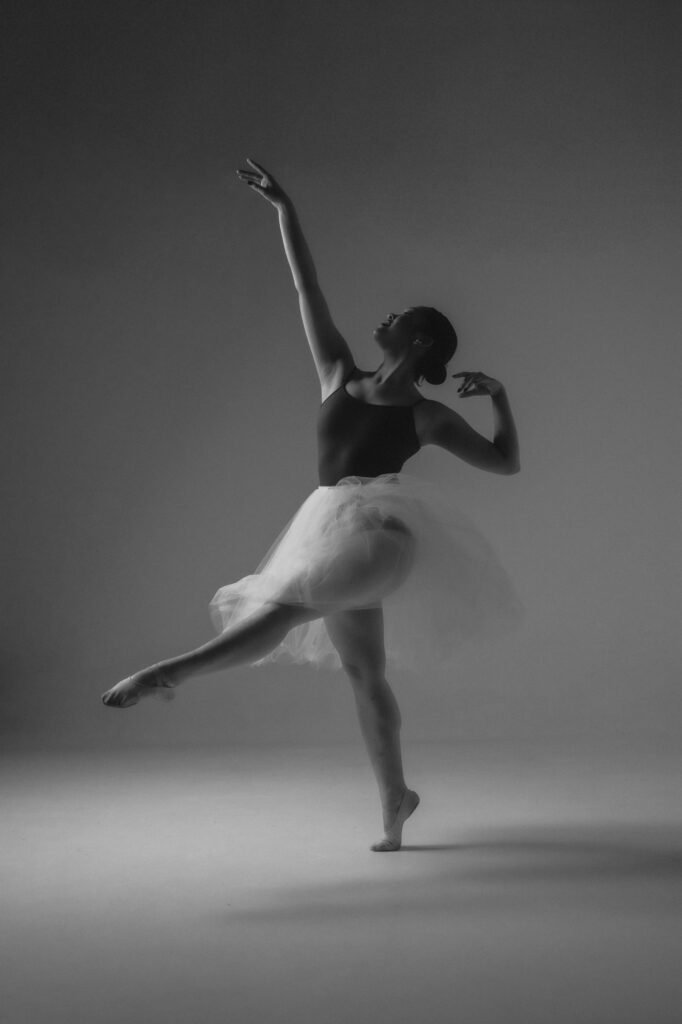
This is where dance therapy for trauma can help. It uses movement, body awareness, and emotional expression to support healing. People can reconnect with themselves in a safe and supportive space. Rather than just talking about trauma, dance therapy lets the body process feelings that words sometimes cannot explain.
What Is Dance Therapy?
Dance therapy, also known as Dance/Movement Therapy (DMT), is a type of psychotherapy led by trained and certified therapists. The American Dance Therapy Association says dance therapy uses movement to support emotional, cognitive, and physical integration (ADTA).
Dance therapy for trauma is not a dance class. It is not about performance or choreography. It does not require rhythm, talent, or stage experience. Instead, trauma-informed dance therapy creates a safe space where movement becomes a tool for healing.
What Dance Therapy Is NOT
Many people hesitate because they misunderstand dance therapy for trauma. Let’s clear up common myths.
Dance therapy for trauma does not involve learning routines or trying to look graceful. You do not need any dance experience. The focus is on your inner experience, not on how you look.
Knowing this can help people feel safe enough to try dance therapy for trauma without feeling pressured.
Trauma Lives in the Body: Why Movement Matters
Trauma affects the nervous system. When someone goes through trauma, their body can shift into fight, flight, or freeze mode. Sometimes, the body stays in this survival state even after the event is over.
Dr. Bessel van der Kolk, author of The Body Keeps the Score, explains that trauma is stored in the body. Talk therapy helps many people, but trauma can remain in muscle tension, posture, and breath patterns.
This is why dance therapy for trauma works differently. Dance therapy for trauma helps regulate the nervous system through gentle, guided movement. It allows the body to gradually and safely release stored stress.
How Dance Therapy for Trauma Works
1. Regulating the Nervous System
Slow, rhythmic movement can calm the body. When movement is combined with breathing, it helps activate the parasympathetic nervous system, which brings a sense of safety and relaxation.
Dance therapy for trauma uses grounding techniques. Therapists might guide you through simple steps, rocking motions, or stretching. These movements tell the brain that the body is safe.
Over time, dance therapy for trauma can reduce hyperarousal and emotional overwhelm.
2. Restoring Body Autonomy and Control
Trauma often removes a sense of control. Survivors may feel disconnected from their bodies.
Dance therapy for trauma helps people regain a sense of choice. Clients decide how fast or slow to move, how much to move, and when to pause. These small choices help rebuild a sense of control.
When people regain control over their movements, they slowly rebuild their confidence.
3. Nonverbal Emotional Expression
Some trauma experiences are difficult to describe. Words may feel incomplete or overwhelming.
Dance therapy for trauma gives people a way to express themselves without words. Movement can show sadness, anger, fear, or grief without needing to explain everything out loud. This gentle release often feels safer than talking directly about the trauma.
Because of this, dance therapy for trauma can reach emotions that talk therapy might not access right away.
4. Rebuilding Connection and Trust
Trauma can isolate people. It can damage trust in others.
In group settings, dance therapy for trauma encourages safe ways to connect with others. Mirror exercises and shared movements help build empathy and understanding. Participants feel seen and accepted.
Connection plays a powerful role in healing.
Science Behind Dance Therapy for Trauma
Research in this area continues to grow. A study published in Frontiers in Psychology found that body-based therapies improve emotional regulation and reduce PTSD symptoms.
The Substance Abuse and Mental Health Services Administration (SAMHSA) also highlights the importance of trauma-informed care. Body-centered approaches, such as dance therapy, align with these principles.
Although more large-scale studies are needed, early findings suggest that dance therapy for trauma can reduce stress, improve mood, and strengthen mind-body awareness.
What Happens in a Dance Therapy Session?
A typical session of dance therapy for trauma begins with a gentle warm-up. The therapist guides breathing and grounding exercises.
Next, clients explore guided movement. This may include walking patterns, stretching, or expressive gestures. There is no right or wrong way to move.
After the movement, participants reflect. Some speak about their experience. Others draw or journal. The session usually ends with calming exercises to ensure emotional stability.
Dance therapy for trauma always puts safety, pacing, and consent first.
Who Can Benefit from Dance Therapy for Trauma?
Dance therapy for trauma may help:
- Survivors of childhood trauma
- People with PTSD
- Survivors of domestic violence
- Individuals coping with grief
- Those recovering from medical trauma
Because movement is something everyone can relate to, dance therapy for trauma can help people of all ages and backgrounds.
Benefits of Dance Therapy for Trauma
Many people notice positive changes after attending dance therapy for trauma regularly.
These benefits may include:
- Reduced PTSD symptoms
- Better emotional regulation
- Improved sleep
- Increased body awareness
- Greater self-confidence
When people reconnect with their bodies, they often feel more grounded and steady.
Is Dance Therapy Safe?
Dance therapy for trauma is usually safe when led by a certified professional. Therapists use trauma-informed practices, avoid forcing movement, and always respect personal boundaries.
Sometimes, strong emotions can come up during sessions. This is normal. A trained therapist is there to offer support and keep things stable.
Dance therapy for trauma should complement, not replace, other mental health treatments when needed.
Dance Therapy vs. Talk Therapy
Dance therapy for trauma does not compete with talk therapy. Instead, it enhances it.
Many therapists combine movement and conversation. This integrated approach addresses both cognitive and physical aspects of trauma.
Healing often requires multiple layers of support.
Final Thoughts on Dance Therapy for Trauma
Trauma affects every part of a person. It changes thoughts, feelings, and physical sensations. Healing needs to address all of these areas.
Dance therapy for trauma offers a gentle, body-focused way to recover. It brings back movement, choice, and connection. While it is not a quick fix, it can be a meaningful part of a bigger healing journey.
If you are interested in dance therapy for trauma, talk to a licensed professional who is trained in trauma-informed care. Taking small, thoughtful steps can lead to big changes.
Watch: Introduction to Dance/Movement Therapy
For a professional overview, watch this educational video from Therapy in a Nutshell :
References
- National Council for Mental Wellbeing. Trauma in America.
https://www.thenationalcouncil.org/resources/trauma-in-america/ - American Dance Therapy Association (ADTA). About Dance/Movement Therapy.
https://adta.org - Frontiers in Psychology. Body-Oriented Therapies and PTSD Research.
- Substance Abuse and Mental Health Services Administration (SAMHSA). Trauma and Violence.
https://www.samhsa.gov/trauma-violence

Parker is a home and lifestyle writer at The Scandi Home, where they share a love for Scandinavian design, cozy living, and thoughtful interiors. Their writing focuses on simple, functional spaces that feel calm, warm, and lived-in.