
Anxiety Relief Tea: Best Herbal Teas to Calm Your Mind Naturally
Many people find life busy and overwhelming. Deadlines, family responsibilities, and nonstop notifications can quickly increase stress. The World Health Organization (WHO) reports that anxiety disorders affect more than 300 million people worldwide. While therapy and medication help, some people also seek gentle daily support.
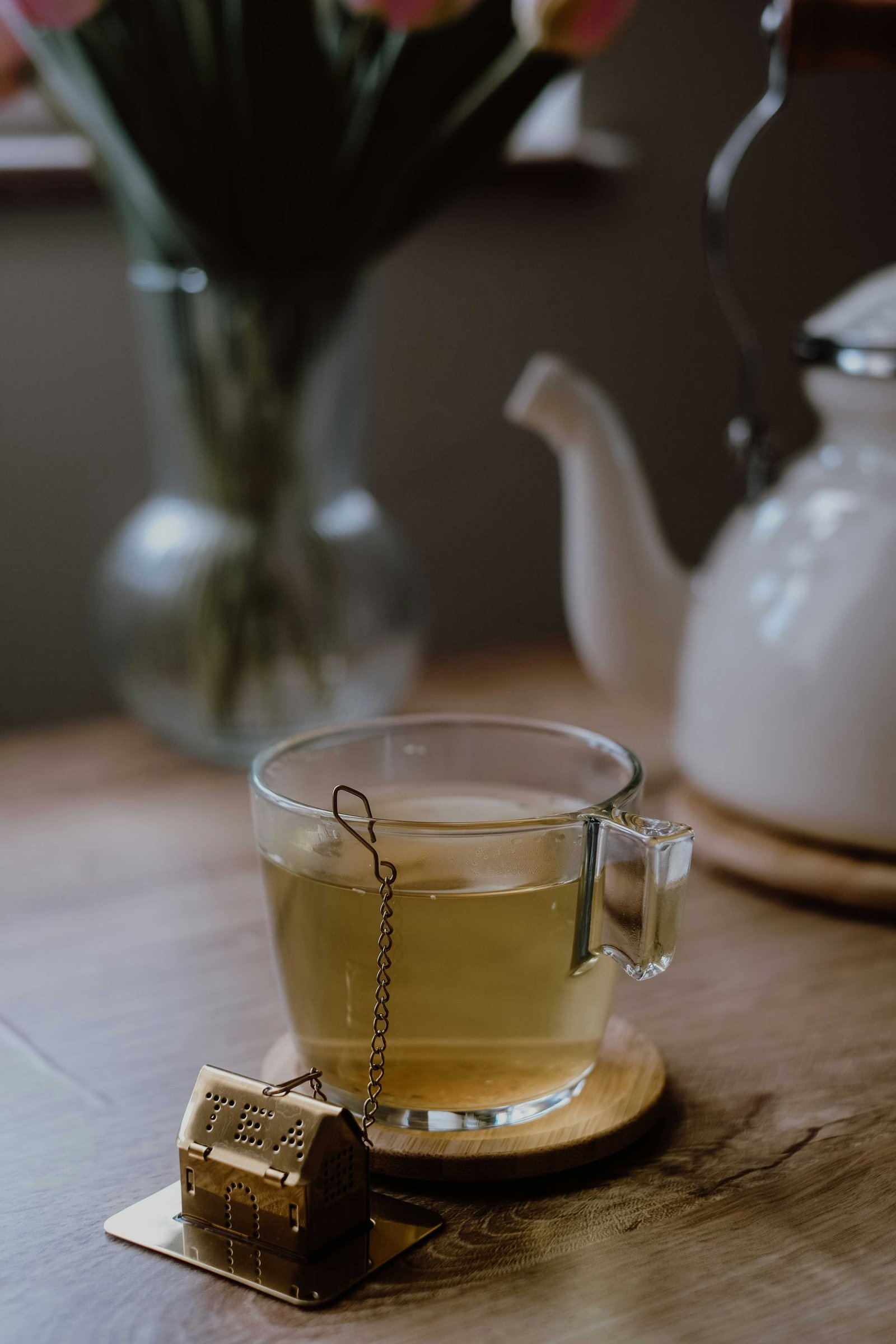
That’s why many people turn to anxiety relief tea. A warm cup can help calm your mind, relax your body, and give you a peaceful break during a busy day. In this guide, we’ll look at the best options, how they work, and how to use them safely.
Why Tea Helps with Anxiety
Tea offers more than just hydration. Brewing and sipping tea can slow your breathing and help your brain relax. Warm drinks also activate the parasympathetic nervous system, which helps you feel calm.
Some herbs in anxiety relief teas have natural compounds that help balance your mood. For example, green tea has L-theanine, an amino acid that helps you relax without making you sleepy. The National Center for Complementary and Integrative Health (NCCIH) says green tea may also support brain health.
Drinking anxiety relief tea also creates a daily ritual. That mindful pause can reduce stress and improve emotional balance.
Best Anxiety Relief Tea Options (Science-Backed)
Let’s explore the most effective anxiety relief tea choices supported by traditional use and emerging research.
1. Chamomile Tea – The Classic Anxiety Relief Tea
Chamomile tea is one of the most trusted choices for anxiety relief. It contains apigenin, an antioxidant that connects to brain receptors and helps you relax.
A study in Phytomedicine found that chamomile extract can significantly reduce symptoms in people with generalized anxiety disorder. You can find related research on PubMed.
Many people drink chamomile tea before bed because it can also help improve sleep.
2. Lavender Tea – Gentle and Soothing
Lavender tea has a calming aroma. Its natural scent can relax your nervous system and ease tension.
Some research suggests lavender may help lower anxiety levels and improve sleep quality. Lavender anxiety relief tea works well in the evening when you want to wind down.
Its floral taste feels light and comforting.
3. Lemon Balm Tea – Mood Support in a Cup
Lemon balm is part of the mint family. People have used it for a long time as an anxiety relief tea in traditional herbal medicine.
Research indicates that lemon balm may reduce stress and improve calmness. It works gently, making it suitable for daytime use.
If you want a mild anxiety relief tea for work hours, lemon balm is a good choice.
4. Green Tea – Calm Focus with L-Theanine
Green tea offers a unique balance. It has caffeine, but less than coffee. More importantly, it contains L-theanine.
L-theanine helps you feel relaxed but alert. According to NCCIH, this compound may affect brain chemicals related to mood.
For some people, green tea is a gentle anxiety relief tea that can improve focus without making you jittery. If you are sensitive to caffeine, it’s best to limit how much you drink.
5. Ashwagandha and Tulsi – Adaptogenic Anxiety Relief Tea
Adaptogens are herbs that help your body handle stress. Ashwagandha and holy basil (tulsi) are two popular choices.
Some studies suggest ashwagandha may lower cortisol levels, the body’s primary stress hormone. Lower cortisol may reduce anxiety symptoms.
An adaptogenic anxiety relief tea supports resilience during long-term stress.
Caffeinated Teas and Anxiety: What to Know
Not all teas help with anxiety. Black tea and strong caffeinated blends can raise your heart rate and make you feel more nervous.
If you experience anxiety, monitor your caffeine intake carefully. Even green tea anxiety relief tea may feel too stimulating for some people.
If you are sensitive to caffeine, choose herbal anxiety relief teas instead.
How to Make Anxiety Relief Tea at Home
Making anxiety relief tea at home is easy and relaxing.
- Boil fresh water.
- Add 1 teaspoon of dried herbs or one tea bag.
- Steep for 5–10 minutes.
- Strain and enjoy slowly.
Longer steeping times often increase the strength of your anxiety relief tea. You may add honey or lemon for flavor.
Fresh herbs can also enhance the taste and aroma.
When to Drink Anxiety Relief Tea
When you drink anxiety relief tea can make a difference.
Drink chamomile or lavender anxiety relief tea in the evening to support sleep. Choose lemon balm anxiety-relief tea on stressful afternoons.
Green tea works best in the morning if caffeine does not make you anxious.
Drinking anxiety relief tea regularly can help. Making it a daily habit can add calm to your routine.
Is Anxiety Relief Tea Safe?
Most anxiety relief teas are safe for healthy adults. However, some herbal teas can interact with medications.
If you are pregnant or breastfeeding, talk to your healthcare provider before using anxiety relief tea. People taking sedatives or thyroid medicine should also get medical advice.
Anxiety relief tea can help with mild stress, but it should not replace professional mental health care.
Anxiety Relief Tea vs. Medical Treatment
Anxiety relief tea works best when it’s part of a bigger wellness plan. Therapy, regular exercise, balanced nutrition, and good sleep are still important.
The Anxiety & Depression Association of America (ADAA) recommends cognitive behavioral therapy and medication for moderate to severe anxiety.
See anxiety relief tea as a way to support your well-being, not as a cure.
Benefits Beyond Anxiety
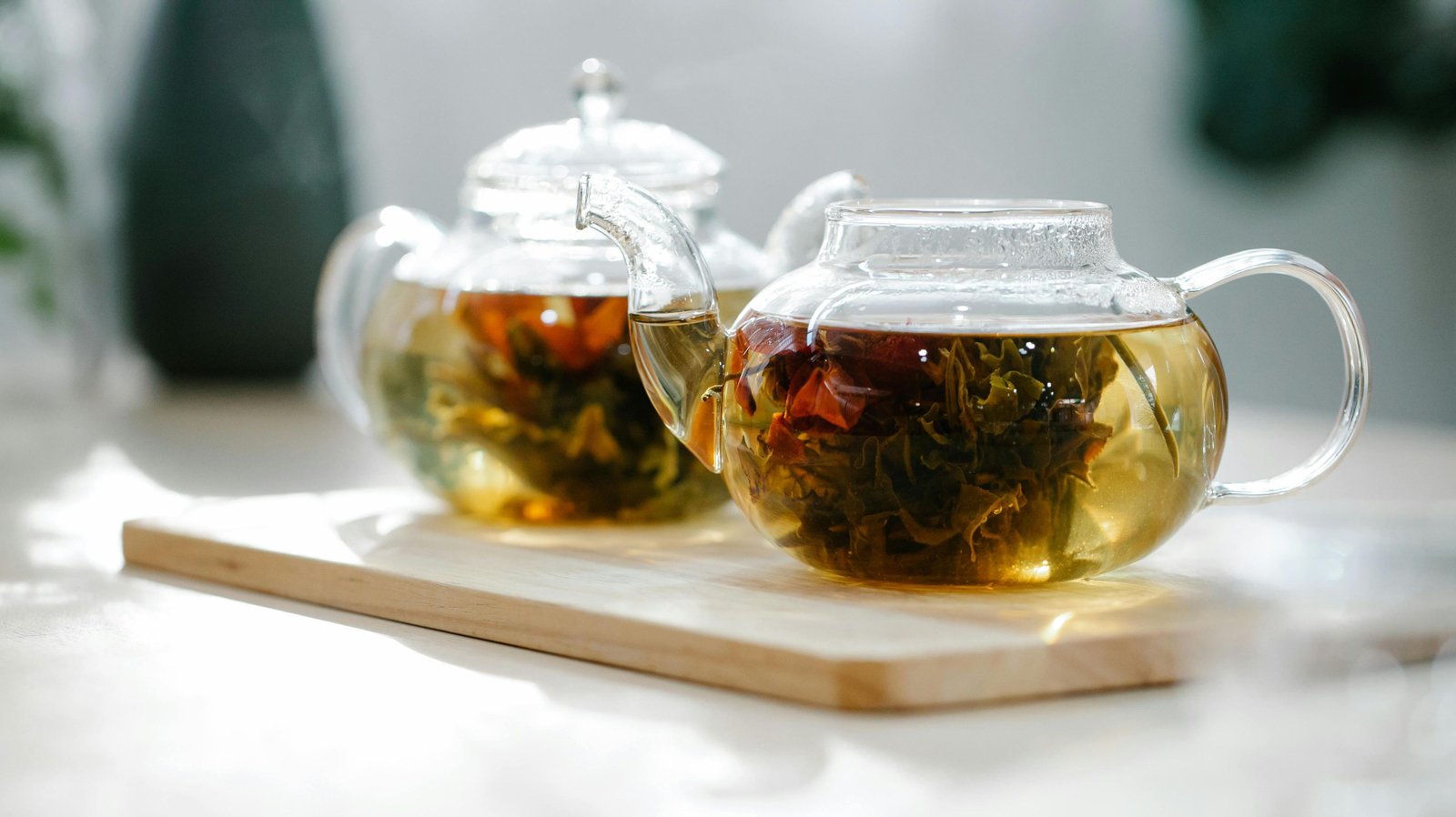
Anxiety relief tea does more than just help you feel calm.
Many herbal teas also support digestion, hydration, and your immune system. Chamomile may help reduce inflammation, and peppermint can ease stomach discomfort.
Making anxiety relief tea part of your routine can also help you slow down and live more mindfully.
Final Thoughts: Create Your Calm Tea Ritual
In a busy world, small habits can make a big difference. Having a daily cup of anxiety relief tea gives you a chance to pause and reflect.
Whether you choose chamomile, lavender, lemon balm, or green tea, your anxiety relief tea can become a peaceful anchor in your routine.
You don’t always need big changes to feel better. Sometimes, it starts with just one warm cup.
Watch: Herbal Tea Benefits
For expert insight on herbal teas and health, watch this educational video from The Yoga Institute :
References
- World Health Organization (WHO). Mental Disorders Fact Sheet.
https://www.who.int/news-room/fact-sheets/detail/mental-disorders - National Center for Complementary and Integrative Health (NCCIH). Green Tea.
https://www.nccih.nih.gov/health/green-tea - PubMed. Chamomile and Anxiety Study.
https://pubmed.ncbi.nlm.nih.gov/ - Anxiety & Depression Association of America (ADAA). Understanding Anxiety.
https://adaa.org/understanding-anxiety

Parker is a home and lifestyle writer at The Scandi Home, where they share a love for Scandinavian design, cozy living, and thoughtful interiors. Their writing focuses on simple, functional spaces that feel calm, warm, and lived-in.