
Places You Forget to Clean: Simple Tips for a Spotless Home
Cleaning often takes a backseat to your busy life, and some areas in your home can easily be overlooked.
Focusing on those hidden spots can lead to a healthier and more pleasant living environment.
From dust collecting on skirting boards to grime hiding behind appliances, these neglected areas can accumulate dirt over time and impact your home’s cleanliness.
You may think you’ve tackled all of your cleaning chores, but there are several places you likely forget to clean. These forgotten spots, like window treatments and the top of your refrigerator, can harbor allergens and contribute to an unkempt appearance.
Discovering where to direct your attention can make a significant difference in your overall cleaning routine.
By identifying these overlooked areas, you can create a more effective cleaning strategy. The result is a fresher, more inviting home that you can enjoy fully.
Preparing a checklist that includes these often-ignored tasks will help you stay ahead of your cleaning schedule and maintain a tidy space.
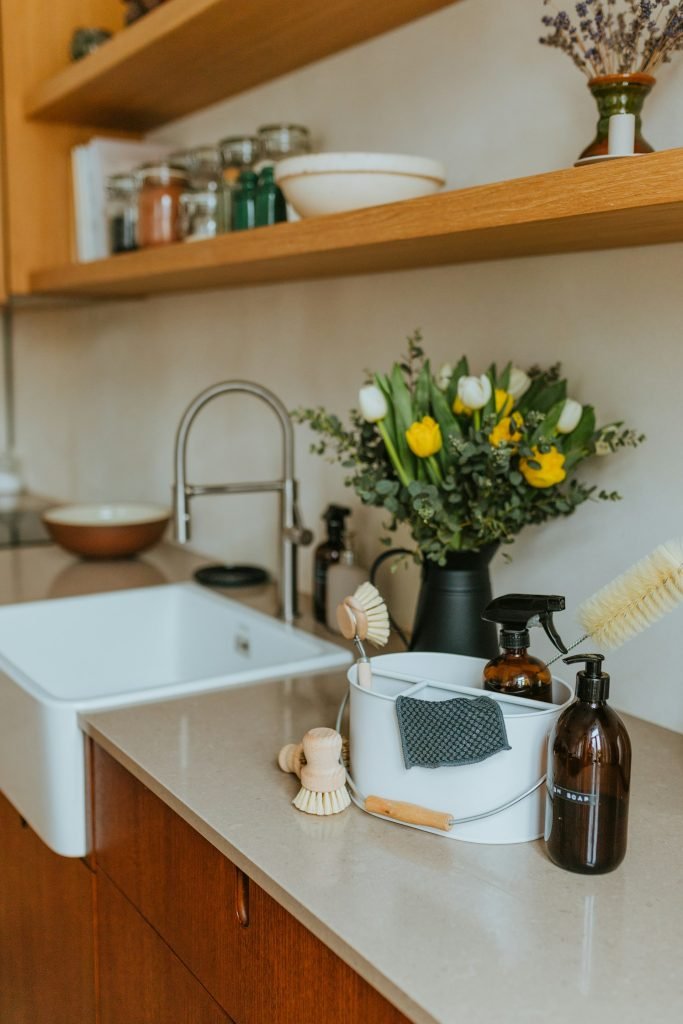
Commonly Overlooked Indoor Areas
Many areas in your home may escape your regular cleaning routine. Focusing on these commonly overlooked places can significantly improve your indoor air quality and overall cleanliness. Here’s a look at some of those spots.
Underneath Furniture
You might vacuum and dust the surfaces of your furniture, but don’t forget about the spaces underneath. Dust, pet hair, and other debris can accumulate beneath couches, beds, and chairs.
To tackle this area, move your furniture when you clean. Use a vacuum with a nozzle attachment to reach tight spots.
If your furniture is heavy, consider using a dust mop or a cloth attached to a long handle.
Make this a regular part of your cleaning schedule to keep allergens at bay. Keeping these areas clean contributes to a healthier home environment.
Behind Appliances
Your kitchen appliances need attention too. Fridges, stoves, and microwaves can trap crumbs and grease behind them, creating a breeding ground for pests.
To clean behind appliances, first, unplug them for safety. Use a long-handled brush or a vacuum attachment to remove buildup.
For deeper cleans, pull the appliances out occasionally. Wipe the surfaces and check for spills. This not only reduces odors but also prevents possible-fire hazards from accumulated grease.
Window Treatments
Curtains, blinds, and shades often collect dust and allergens without you even realizing it. Regular cleaning can improve air quality and prolong the life of your window treatments.
Start by shaking out or vacuuming the dust from curtains. For blinds, use a microfiber cloth or a specialized duster to clean each slat.
If your curtains are machine washable, follow the care instructions for a fresh look. Clean window treatments help maintain a brighter, more inviting space.
Ceiling Corners and Light Fixtures
Don’t forget about those hard-to-reach areas near your ceilings. Dust accumulates in corners and on light fixtures, affecting both aesthetics and air quality.
Use a broom with a microfiber head to sweep away dust from ceiling corners. For light fixtures, ensure they are turned off first. Use a damp cloth to wipe down surfaces, removing any built-up grime.
Make it a habit to inspect these areas during your cleaning routine. A quick check prevents dust from settling and keeps your lighting fixtures shining brightly.
Hidden Spots in the Bathroom
Bathrooms often have areas that you might overlook during your cleaning routine. Tackling these hidden spots can significantly improve your bathroom’s cleanliness and hygiene.
Behind the Toilet
The area behind your toilet is frequently neglected, yet it can gather dust and grime. This spot is hard to see, which makes it easier to forget.
To clean it effectively, move the toilet slightly, if possible, or use a long-handled brush to reach the corners. Try using an all-purpose cleaner and a microfiber cloth to wipe away the dirt.
Make this a regular part of your cleaning schedule to avoid buildup.
Shower Curtain Liner
Your shower curtain liner can accumulate soap scum, mildew, and mold over time. It’s an area often ignored during routine cleanings.
To care for it, remove the liner and wash it in the washing machine on a gentle cycle. Add some towels to help scrub off any stubborn stains.
If it’s not machine washable, wipe it down with a vinegar solution to kill mildew and freshen it up.
Underneath the Sink
The space underneath your sink can become a storage catch-all, which can lead to spills and dirt accumulation. It’s easy to forget this area when cleaning.
Regularly check this space for leaks, spills, or expired products. Use organizers to keep the area tidy, and wipe down surfaces with a damp cloth.
Don’t forget to clean the pipes too; a quick scrub can prevent mold growth.
Kitchen Spots That Miss Your Attention
In your kitchen, certain areas often get overlooked during regular cleaning. Focusing on these spots can significantly improve your kitchen’s cleanliness and hygiene. Let’s look at some common places that might need your attention.
Underneath the Fridge
The space underneath your refrigerator can gather a surprising amount of dust and debris. It’s common to forget about this area since it’s usually out of sight.
To clean under the fridge, first, unplug it for safety. Use a vacuum or a broom to remove dust bunnies and food particles.
This helps improve air circulation and efficiency, ultimately saving you on energy bills.
Consider placing a mat or a tray to catch any spills in the future. Regularly cleaning here can also prevent unwanted odors from lingering in your kitchen.
Dishwasher Edges
The edges of your dishwasher are notorious for harboring grime and food particles. Over time, this buildup can lead to unpleasant smells and even affect the cleaning performance of your machine.
Using a damp cloth or sponge, wipe down the edges where the door seals. Don’t forget to remove the filter and clean it separately to ensure it works effectively.
For extra freshness, consider running a cycle with a dishwasher cleaner. This not only tackles stains but also helps eliminate any stubborn odors that may have formed.
Cabinet Tops
If you have cabinets that reach the ceiling, their tops are often neglected during cleaning routines. Dust and grease can accumulate here, creating a grimy layer that attracts pests.
To clean cabinet tops, use a sturdy step stool for safety. A microfiber cloth and an all-purpose cleaner will do wonders in removing the buildup.
Consider schedule cleaning these spots every few months to keep them in check. You might even find a hidden stash of forgotten kitchen items or décor that can add charm to your space.
Behind the Trash Can
The area behind your trash can can be a hotspot for spills and stains. Since the trash can is often moved around during cleaning, this spot tends to get missed.
Start by moving the trash can away from the wall, and inspect the area carefully. Use disinfecting wipes or a cloth with a cleaning solution to tackle any sticky spots or unpleasant odors.
To minimize this issue in the future, consider placing a mat or tray underneath your trash can. It can catch spills and make it easier to clean the area regularly.
Nooks and Crannies in Living Areas
Your living area can have many hidden spots that attract dust, dirt, and germs. It’s easy to overlook these nooks and crannies. Focusing on these specific areas can make a significant difference in your home’s cleanliness and overall comfort.
Electronics and Remote Controls
Electronics often find a home in your living space, but they can collect dust and grime over time. Consider gathering all remote controls and devices that you frequently use.
- Use a microfiber cloth to wipe down the surfaces of the electronics.
- Don’t forget to clean around the buttons, where dirt tends to accumulate.
- For remote controls, you can use a cotton swab dipped in rubbing alcohol to clean between the buttons.
This simple cleaning routine can help prolong the life of your gadgets and improve your overall viewing experience.
Couch Cushions
Couch cushions are comfort zones but can also be a trap for crumbs, pet hair, and dust. Regularly removing the cushions for cleaning is crucial.
- Start by shaking out the cushions and vacuuming both the cushions and the couch surface.
- Check for any stains and treat them with an appropriate fabric cleaner.
- If possible, wash removable cushion covers according to the care label.
Keeping these areas tidy not only improves the look of your couch but also enhances your seating experience.
Bookshelves
Bookshelves provide a great way to display your collection, but they can get dusty quickly, especially the top shelves and the spaces between books.
- Begin by removing items from the shelves, checking for dust build-up.
- Use a soft cloth or duster to clean the shelves themselves.
- For the books, wipe down the spines with a slightly damp cloth to remove dust.
This not only keeps your books in better condition but also refreshes the entire room’s appearance.
Indoor Plants
Indoor plants are a lovely addition to your living area but can collect dust on their leaves and containers. Cleaning these regularly is essential for your plants’ health.
- Gently wipe each leaf with a damp cloth to remove dust.
- Inspect for any pests or signs of disease while you’re at it.
- For potted plants, make sure to clean the pots to prevent grime build-up.
Healthy plants add to your living space’s beauty and purify the air, making this task worthwhile.
Often Neglected Bedroom Details
Many details in your bedroom can easily be overlooked during routine cleaning. Focusing on these areas will help create a healthier and more inviting space.
Under the Bed
The space beneath your bed often becomes a catch-all for dust bunnies, forgotten items, and even allergens. It’s a prime area where debris collects over time.
To clean it effectively, start by moving the bed. Use a vacuum with a brush attachment to remove dust and dirt. Don’t forget to check for lost socks, shoes, or personal items.
Consider using storage bins to keep the area organized. This can help prevent clutter and make your cleaning routine easier for the future.
Bed Frame and Headboard
Your bed frame and headboard are more than just functional; they can also accumulate a surprising amount of grime. Dust, sweat, and skin cells can settle here, leading to allergens and an unkempt appearance.
Use a microfiber cloth to wipe down wooden or metal components. For upholstered headboards, use a fabric cleaner or vacuum attachment to remove dirt.
Regular cleaning of these parts will enhance the look of your bedroom and promote a healthier sleep environment. Don’t forget to check the nooks and crannies where dust loves to hide.
Dresser Drawers
Dresser drawers can harbor dust and debris, especially if they haven’t been cleaned in a while. Empty the drawers before starting, which allows you to clean both the inside and the outside thoroughly.
Use a damp cloth and mild detergent for the surfaces and a vacuum for any stubborn dirt.
It’s also a great time to declutter—remove items you no longer need or wear.
Reorganizing your drawers can make finding clothes much simpler. Consider using drawer organizers to keep smaller items neat and accessible.
Closet Floors
Closet floors often become overlooked areas for dust accumulation and can trap dirt from your shoes.
Begin by removing everything from the closet to access the floor properly.
Vacuum or sweep the area to ensure you’re removing all debris.
Pay attention to corners, where dust can accumulate over time.
Once cleaned, consider laying down a mat to catch dirt from shoes or to add a decorative touch.
Regularly checking this area can help maintain a cleaner overall space in your bedroom.

Parker is a home and lifestyle writer at The Scandi Home, where they share a love for Scandinavian design, cozy living, and thoughtful interiors. Their writing focuses on simple, functional spaces that feel calm, warm, and lived-in.