
Save Money Grocery Shopping: Tips for Smart and Affordable Choices
Grocery shopping can often feel like a daunting task, especially when prices seem to keep rising. However, there are practical strategies you can adopt to save money while still enjoying nutritious meals.
With a little planning and mindful shopping habits, you can significantly lower your grocery bills without sacrificing quality.
You don’t have to completely overhaul your lifestyle to make a difference. Simple changes like meal planning, making a shopping list, and opting for store brands can lead to substantial savings.
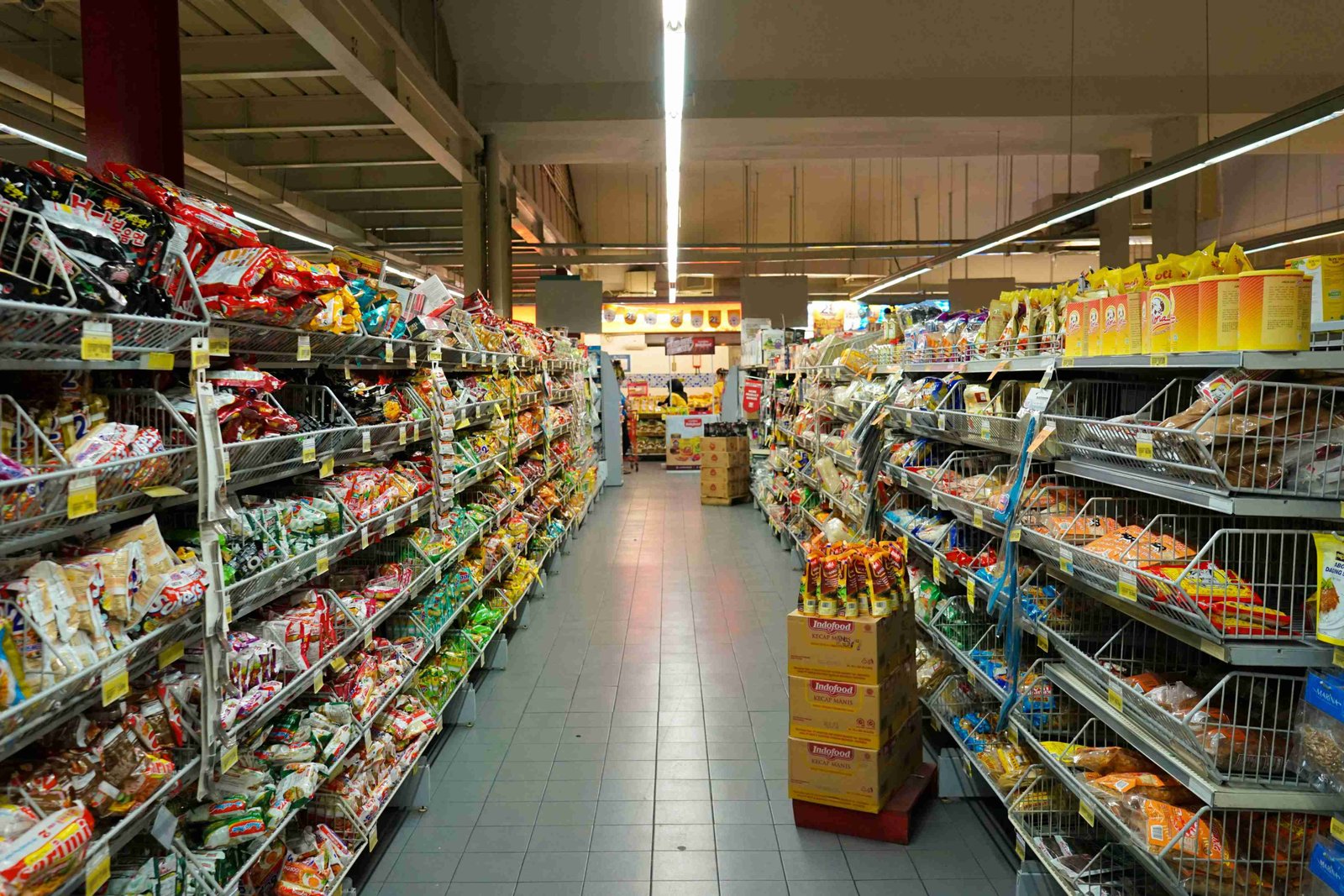
The key is to be intentional about your purchases and to take advantage of discounts and promotions.
By incorporating these tips and tricks into your routine, you’ll find that saving money on groceries is not only achievable but also rewarding. The benefits go beyond just savings; it leads to healthier eating habits and less food waste, making it a win-win for both your budget and the environment.
Understanding Grocery Spending
Grocery spending can significantly impact your monthly budget. Gaining insight into your expenses and identifying patterns helps you make informed decisions for more efficient shopping.
Tracking Your Current Expenses
To understand your grocery spending, start by tracking your current expenses. Keep a detailed record of all your grocery purchases for at least a month. You can use a notebook, a budgeting app, or spreadsheets to log your expenses.
Categorize your items into essentials like fruits, vegetables, proteins, and non-essentials such as snacks and beverages.
This will help you visualize where your money goes. Review your records weekly to spot opportunities for savings.
Identifying Spending Patterns
Once you’ve tracked your expenses, it’s time to identify spending patterns. Look for trends in your purchases, such as seasonal items or regularly expensive brands.
Ask yourself these questions:
- Do you often buy items that you don’t use?
- Are there certain stores or brands where you tend to overspend?
By recognizing these patterns, you can adjust your shopping habits. Creating a list based on your needs before shopping can also prevent impulse buys.
Consider shopping during sales or using coupons to maximize savings. Adjusting your shopping behavior based on these insights will help you manage your grocery expenses more effectively.
Smart Shopping Strategies
Effective grocery shopping is all about being strategic. Adopting smart shopping strategies can significantly reduce your grocery bills while ensuring you still get the items you need.
Creating a Budget
Start by determining how much you can spend on groceries each week. This involves reviewing your monthly income and fixing an amount you can allocate to food. Consistently stick to this budget to prevent overspending.
Consider using the 50/30/20 rule—allocate 50% of your income for needs, 30% for wants, and 20% for savings. Use budgeting apps or a simple spreadsheet to track your expenses.
If you notice you’re consistently going over budget, assess your spending habits. Identify areas where you can cut back, such as dining out or purchasing snacks. This awareness will help you adjust your budget based on reality.
Making a Shopping List
A well-thought-out shopping list is one of the most effective tools for saving money. Before heading to the store, review your pantry and fridge to avoid buying items you already have.
Categorize your list by sections of the store to streamline your shopping experience. Group items into categories like produce, dairy, and meat. This not only saves time but also reduces the temptation to pick up unnecessary items.
Stick to your list as much as possible. Impulse buys can quickly add to your total, undermining your budget efforts. If an item isn’t on your list but you really need it, assess whether it fits into your budget.
Understanding Sales Cycles
Sales cycles can help save you money on groceries. Many items go on sale during specific periods, often weekly or monthly. Pay attention to local store flyers and weekly ads to know when to purchase items at a discount.
Consider stocking up on non-perishable goods during sales. Items like canned foods, pasta, and rice will last, allowing you to save in the long run.
Coupons and loyalty programs can also play a role in maximizing your savings. Combining these offers with sales can lead to significant cost reductions on regularly purchased items. Always stay alert for deals and adjust your shopping schedule around these sales to maximize savings.
Savvy Shopping Techniques
Being strategic about your grocery shopping can lead to significant savings. Implementing certain techniques, such as buying in bulk, using coupons effectively, and comparing unit prices, can help you spend less while still getting what you need.
Buying in Bulk
Purchasing items in bulk can often reduce your overall cost. Look for staples like rice, pasta, or canned goods that have a long shelf life.
Consider joining a warehouse club to access larger packages at lower prices. Be sure to calculate the cost per unit to ensure you’re getting a good deal.
Tips for bulk buying:
- Check expiration dates to avoid waste.
- Only buy items you know you’ll use.
- Share bulk purchases with friends or family to save even more.
Using Coupons Effectively
Coupons can lead to substantial savings if used wisely. Start by checking local newspapers, store flyers, and dedicated coupon websites.
Organize your coupons by expiry date or product category. Before shopping, match coupons with store sales for extra savings.
Strategies for effective coupon use:
- Use digital coupons available on store apps.
- Stack manufacturer and store coupons for maximum discounts.
- Don’t forget to follow stores on social media for exclusive offers.
Comparing Unit Prices
Understanding unit prices is crucial for determining the best value. Look beyond the total price and check the price per ounce or pound. This practice helps you compare items of different sizes or brands.
Pay attention to seasonal sales and clearance items; sometimes, larger quantities may offer a lower unit price, while smaller sizes might be on sale.
How to compare unit prices:
- Use a smartphone app to help calculate unit prices while shopping.
- Create a quick reference chart for frequently bought items.
- Always consider store brands, as they often provide similar quality at lower prices.
Eating Healthy on a Budget
Eating healthy on a budget is entirely possible by making smart choices in the grocery store. By focusing on seasonal produce, opting for whole foods, and limiting processed items, you can enjoy nutritious meals without breaking the bank.
Choosing Seasonal Produce
Seasonal fruits and vegetables not only taste better but are often more affordable. When you buy what’s in season, you reduce costs and support local farmers.
Here are some tips for selecting seasonal produce:
- Check local farmer’s markets: These often offer lower prices and fresher options.
- Plan meals around seasonal ingredients: This can enhance flavor and variety in your diet.
- Buy in bulk: If you find a great deal on seasonal produce, consider buying larger quantities to freeze for later use.
Incorporating seasonal fruits and vegetables can help you save money while ensuring you’re eating the freshest options available.
Opting for Whole Foods
Whole foods, such as grains, legumes, and unprocessed meats, provide essential nutrients without the high price tag of many packaged foods.
To maximize your budget:
- Purchase dried beans and lentils: These are much cheaper than canned versions and can be prepared in bulk.
- Choose whole grains: Rice, oats, and quinoa are filling and economical.
- Focus on bulk purchases: Buying staples in bulk can substantially lower costs.
By prioritizing whole foods, you’ll nourish your body while keeping your grocery bill manageable.
Limiting Processed Foods
Processed foods often come with a higher price and lower nutritional value. Reducing your reliance on these items can significantly impact your budget.
Key strategies include:
- Read food labels: Understanding what’s in your food helps you make healthier choices.
- Cook at home: Preparing meals from scratch is usually more economical than buying pre-packaged meals.
- Plan your snacks: Instead of buying costly snack options, make your own, like popcorn or yogurt with fruit.
By limiting processed foods, you’ll find that your grocery shopping is both healthier and more budget-friendly.
Maximizing Food Utilization
Making the most of your groceries is essential for saving money and reducing waste. Properly storing food, creatively using leftovers, and avoiding waste can help you get the best value from your purchases.
Storing Foods Properly
To keep your groceries fresh longer, proper storage is crucial. For example, store leafy greens in a damp paper towel inside a sealed bag to maintain moisture.
Utilize your refrigerator’s crisper drawers for fruits and vegetables. Keeping produce from getting too cold helps preserve their texture and taste.
Check your pantry for the best places to store items like canned goods or grains. Keep dry goods in airtight containers to prevent pests and keep them fresh.
Label your food with expiration dates to ensure you use items before they spoil. This simple practice can help you track what you have and minimize waste.
Cooking with Leftovers
Turn leftover meals into something new and exciting. Get creative by incorporating leftover vegetables into soups, stir-fries, or casseroles. This way, you reduce waste while adding variety to your meals.
Consider repurposing proteins, like using roasted chicken in salads or sandwiches. You can save time and money while also enjoying different flavors.
Plan a dedicated “leftover night” each week. This helps ensure you consume food that might otherwise go unused. It’s a budget-friendly way to enjoy what you’ve already cooked while keeping your meal planning fresh.
Avoiding Food Waste
Being mindful of your food usage can significantly cut down on waste.
Start by examining your shopping habits. Buy only what you need and stick to your grocery list to avoid impulse purchases.
Get into the habit of checking your pantry and fridge before going shopping to avoid duplicates.
Understand the difference between “sell by” and “use by” dates. Many items are still safe to eat after their sell-by date, so trust your senses—look, smell, and taste!
Finally, consider composting organic waste. It minimizes landfill contributions and enriches your garden or potted plants.

Parker is a home and lifestyle writer at The Scandi Home, where they share a love for Scandinavian design, cozy living, and thoughtful interiors. Their writing focuses on simple, functional spaces that feel calm, warm, and lived-in.