
Home Management Made Simple: How to Run Your Home With Less Stress
Running a home can be a lot to handle. With cleaning, meals, schedules, finances, and family needs, it’s easy to feel like there’s too much going on. That’s why home management matters. It isn’t about being perfect or controlling everything. It’s about setting up simple routines that make daily life easier.
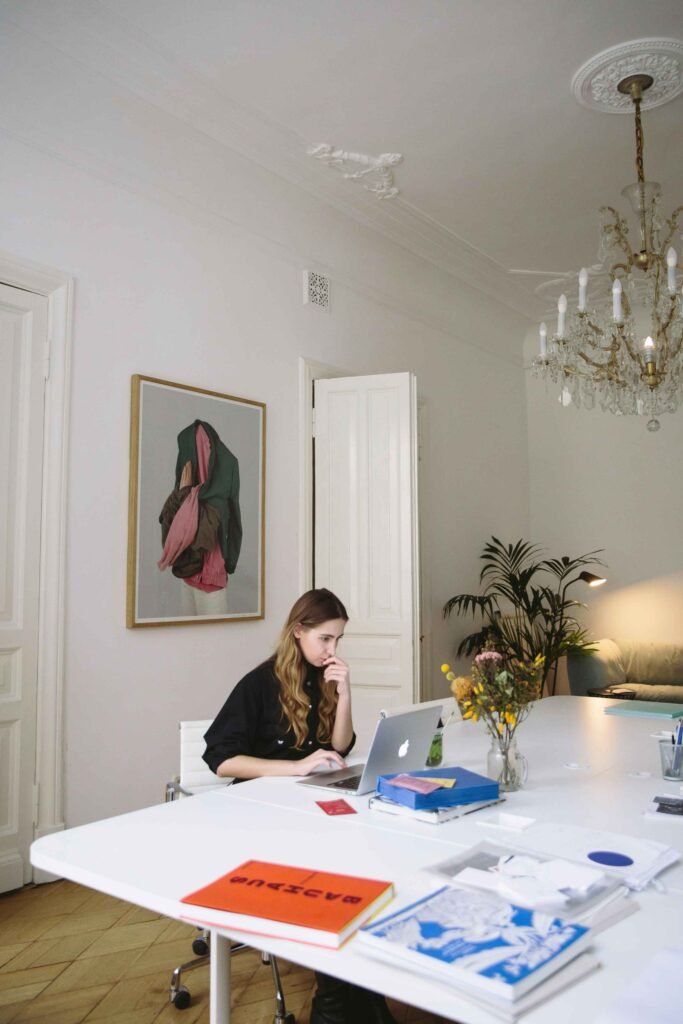
When you practice home management with a simple living mindset, your home becomes calmer and easier to maintain. You spend less time reacting and more time enjoying your space. With the right approach, home management helps you feel organized without feeling pressured.
What Is Home Management?
Home management means organizing your household tasks, time, people, and resources so daily life goes smoothly. This covers things like cleaning routines, meal planning, schedules, finances, and keeping your home organized.
Good home management adapts to your lifestyle. It is flexible, realistic, and supportive. Instead of trying to do everything perfectly, home management focuses on consistency and clarity. Simple systems help reduce mental load and decision fatigue.
Why Home Management Matters More Than Ever
Today, life can pull us in many directions. Work, school, digital distractions, and family duties all compete for our attention. The American Psychological Association says that stress at home is a big part of chronic stress for adults (APA).
Without a plan, small tasks pile up and feel overwhelming. Home management creates structure, reducing stress and saving time. A simple system helps you stay ahead of daily demands instead of constantly catching up.
Benefits of a Home Management System
Saves Time and Mental Energy
A clear home management system takes away the guesswork. You’ll know what needs to be done and when. This cuts down on daily decisions and mental tiredness.
Boosts Wellness and Reduces Stress
Predictable routines calm the nervous system. A CDC study links structured routines to lower stress and improved mental health (CDC). Home management supports emotional well-being.
Gets Everyone on the Same Page
When everyone uses the same system, it’s easier for families to work together. Clear expectations make sharing responsibility feel fair. Home management encourages teamwork instead of constant reminders or frustration.
Keeps Your Home Organized
Sticking to regular routines helps keep things in order. Rather than doing big cleaning sessions, small daily tasks make your home easier to manage.
Key Home Management Tasks You Need to Cover
Daily Household Tasks
Daily tasks are things like basic cleaning, doing the dishes, tidying up, and resetting shared spaces. These small steps help stop clutter from piling up.
Weekly and Monthly Chores
Weekly and monthly chores are for deeper cleaning and maintenance. Planning these tasks ahead of time makes them feel less overwhelming.
Meal Planning and Food Management
Meal planning saves time and money. Planning meals and grocery lists reduces stress and food waste.
Scheduling and Calendar Management
Appointments, school events, and work schedules all need to be in one clear system. Using a shared calendar helps everyone stay on track at home.
Financial and Paper Management
Bills, budgets, and documents need to be organized. Managing paperwork prevents missed payments and last-minute stress.
How to Create an Effective Home Management System
You don’t need fancy tools to set up a home management system. Simple steps are usually the most effective.
Step 1: Decide Where to Start
Choose one area, such as cleaning or meals. Starting small prevents burnout. Focus builds momentum.
Step 2: Break Areas Into Simple Tasks
Big goals can feel overwhelming. Break them down into small, repeatable tasks. Simple steps are easier to stick with.
Step 3: Create Checklists and To-Do Lists
Checklists support memory and consistency. Daily, weekly, and monthly lists work well for home management. Keep them realistic.
Step 4: Use a Calendar That Fits Your Life
You can use a paper calendar, a digital one, or both. The important thing is that everyone can see it. Shared calendars keep everyone informed.
Step 5: Choose Paper, Digital, or Both
There’s no perfect system. Use tools you like and will actually use. Home management works best when it fits your habits.
Step 6: Adjust Your System Over Time
Life changes, and your home management system should change with it. Check your routines often and make small updates as needed.
Easy Home Management Tips That Actually Work
Create Simple Routines
Morning and evening routines anchor your day. Even 10-minute routines support order and calm.
Use Visual Reminders
Using charts, boards, or planners keeps tasks in sight. These visual reminders help you stay consistent.
Incorporate Everyone
Assign age-appropriate tasks. Shared responsibility teaches skills and reduces your workload. Family involvement strengthens home management.
Common Home Management Mistakes to Avoid
Trying to change everything at once leads to frustration. Overcomplicating systems makes them hard to maintain. Copying someone else’s routine may not fit your life.
Don’t aim for perfection. Home management should help you, not make you feel pressured.

Home Management for Simple Living
Simple living and home management go hand in hand. Fewer possessions mean fewer systems. Focus on what truly matters.
A simple home is easier to manage. Calm routines support peaceful living. Home management becomes a tool for freedom, not control.
Final Thoughts on Home Management
Anyone can learn home management. It’s not about doing more, but about doing what matters most, and doing it regularly. Start small, stay flexible, and adjust as life changes. With simple routines, home management can bring calm, clarity, and balance to your home.
Recommended YouTube Resource (Recognized Org)
Dr. Tracey Marks – How Simple Habits Shape Our Lives
References
- American Psychological Association – Stress and Daily Life
https://www.apa.org - Centers for Disease Control and Prevention – Mental Health and Routines
https://www.cdc.gov - National Institutes of Health – Organization and Stress
https://www.ncbi.nlm.nih.gov - Pew Research Center – Time Use and Family Life
https://www.pewresearch.org

Parker is a home and lifestyle writer at The Scandi Home, where they share a love for Scandinavian design, cozy living, and thoughtful interiors. Their writing focuses on simple, functional spaces that feel calm, warm, and lived-in.