
The Hidden Link Between Anxiety and Substance Use
Anxiety can feel overwhelming. It can show up as constant worry, racing thoughts, or a sense that something isn’t right—even when everything seems fine. For many people, these feelings don’t just stay in the mind. They start to affect daily life, relationships, and overall well-being.
Sometimes, people turn to substances to cope with anxiety. At first, it may seem like a quick way to find relief. But over time, this can lead to a deeper struggle.
Understanding the connection between anxiety and substance use can help you—or someone you care about—take meaningful steps toward healing.
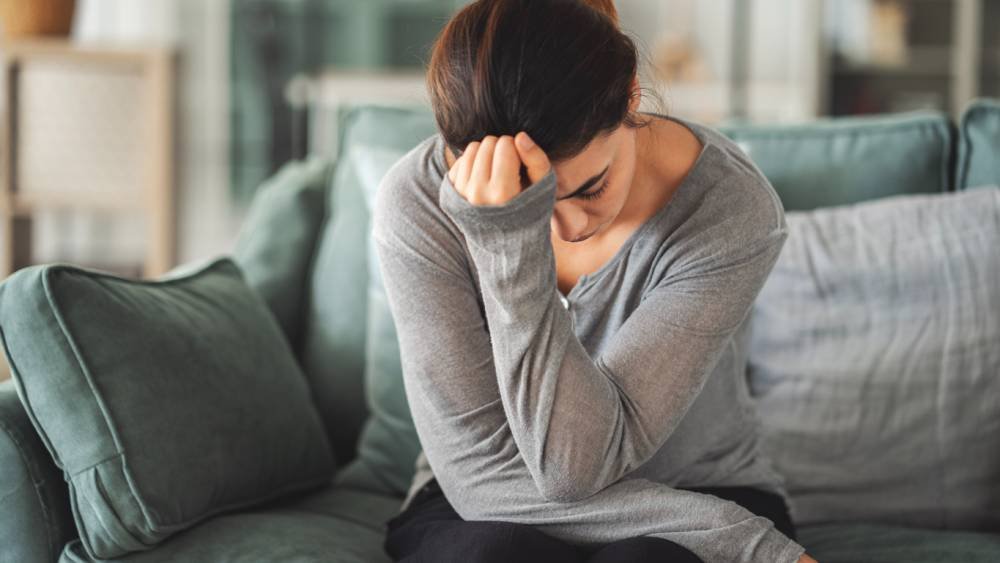
What Is Anxiety?
Anxiety is your body’s natural response to stress. It helps you stay alert and prepared in challenging situations. But when anxiety becomes constant or intense, it can interfere with everyday life.
Common symptoms include:
- Persistent worry or fear
- Restlessness or feeling “on edge.”
- Trouble sleeping
- Difficulty concentrating
- Physical symptoms like a fast heartbeat or muscle tension
According to the World Health Organization, over 300 million people worldwide live with anxiety disorders, making it one of the most common mental health conditions.
What Is Substance Use?
Substance use refers to the consumption of alcohol, prescription medications, or other drugs. While some substances are used socially or medically, problems can arise when they are used to cope with emotional pain.
Substance use becomes a concern when it:
- Interferes with daily responsibilities
- Affects relationships
- Becomes difficult to control
- Is used as a way to escape or numb feelings
The Connection Between Anxiety and Substance Use
Anxiety and substance use are closely linked. In many cases, one can lead to the other.
1. Using Substances to Cope with Anxiety
When anxiety feels too intense, people may look for ways to calm their minds quickly. Substances like alcohol or certain drugs can temporarily reduce feelings of stress.
This is often called self-medication.
For example:
- Alcohol may help you feel more relaxed in social situations
- Sedatives may quiet racing thoughts
- Other substances may create a temporary sense of escape
But this relief is short-lived.
2. How Substance Use Can Worsen Anxiety
While substances may seem helpful at first, they often make anxiety worse over time.
Here’s how:
- They can disrupt brain chemistry
- They may increase feelings of panic or restlessness
- Withdrawal symptoms often include anxiety
- Sleep disturbances can intensify emotional stress
According to the Anxiety and Depression Association of America (ADAA), about 20% of people with anxiety disorders also have a substance use disorder.
3. The Cycle That Keeps You Stuck
Anxiety and substance use can create a cycle that’s hard to break:
- You feel anxious
- You use a substance to cope
- The effects wear off
- Anxiety returns—often stronger
- You use again to find relief
Over time, this cycle can become deeply ingrained.
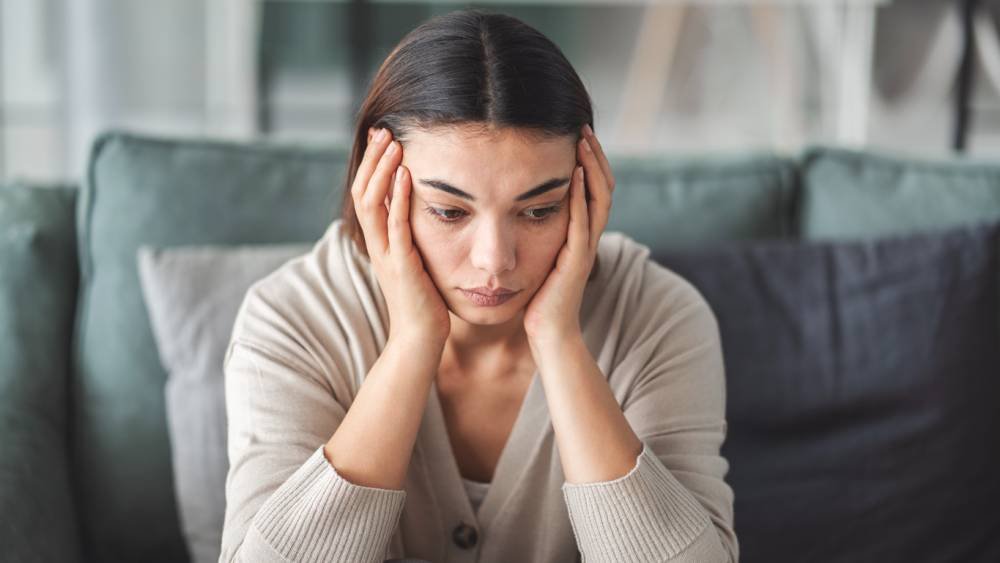
Why Anxiety and Substance Use Often Occur Together
There are several reasons why these challenges overlap.
Shared Brain Pathways
Both anxiety and substance use affect the brain’s reward and stress systems. This overlap makes it easier for one condition to influence the other.
Trauma and Stress
Past experiences—especially stressful or traumatic ones—can increase the risk of both anxiety and substance use.
When the nervous system stays in a constant state of alertness, people may seek ways to calm it down quickly.
Genetics and Environment
Family history and life circumstances can also play a role. If you’ve grown up in an environment where substance use was common, or if anxiety runs in your family, your risk may be higher.
Signs You May Be Experiencing Both
It’s not always easy to recognize the connection between anxiety and substance use. But there are some signs to watch for:
- Using alcohol or drugs to relax or sleep
- Feeling anxious when not using substances
- Needing more of a substance to feel the same effect
- Avoiding situations without using a substance
- Difficulty managing emotions without external help
If these patterns sound familiar, it may be helpful to take a closer look.
The Impact on Your Life
When anxiety and substance use occur together, they can affect many areas of life.
Mental and Emotional Health
You may feel trapped, overwhelmed, or disconnected from yourself.
Physical Health
Long-term substance use can impact sleep, energy levels, and overall health.
Relationships
Communication may become harder, and trust can be affected.
Daily Functioning
Work, school, and responsibilities may become more difficult to manage.
Can You Heal from Both?
Yes—recovery is possible.
Healing starts with understanding that anxiety and substance use are not personal failures. They are often responses to deeper challenges.
Organizations like Cenikor emphasize compassionate, evidence-based care that meets people where they are and supports long-term recovery .
What Effective Support Looks Like
1. Integrated Care
Addressing both anxiety and substance use together is important. Treating one without the other can make recovery more difficult.
2. Therapy and Counseling
Approaches like cognitive behavioral therapy (CBT) can help you:
- Understand thought patterns
- Build healthier coping strategies
- Manage triggers
3. Healthy Coping Strategies
Replacing substance use with healthier habits can make a big difference.
Some options include:
- Deep breathing exercises
- Physical activity
- Journaling
- Mindfulness practices
4. Support Systems
Connecting with others can reduce feelings of isolation.
This might include:
- Support groups
- Trusted friends or family
- Professional guidance
Small Steps You Can Take Today
You don’t need to make big changes all at once. Small steps can lead to meaningful progress.
You can start by:
- Noticing when you feel anxious
- Identifying what triggers those feelings
- Choosing one healthy coping strategy
- Reaching out for support
Every step forward matters.
You Are Not Alone
If you’re struggling with anxiety and substance use, it’s important to know that help is available. Many people face this connection, and many find their way to recovery.
With the right support, you can build a life that feels more stable, balanced, and fulfilling.
Final Thoughts
The link between anxiety and substance use is real—but so is the possibility of healing. When you understand how these challenges are connected, you can begin to make choices that support your well-being.
You deserve care that is compassionate, respectful, and tailored to your needs. And you deserve the chance to move forward—one step at a time.
Sources
- World Health Organization (WHO) – Anxiety Disorders
https://www.who.int/news-room/fact-sheets/detail/mental-disorders - Anxiety and Depression Association of America (ADAA)
https://adaa.org/understanding-anxiety/related-illnesses/substance-abuse - National Institute on Drug Abuse (NIDA)
https://nida.nih.gov/research-topics/comorbidity - Substance Abuse and Mental Health Services Administration (SAMHSA)
https://www.samhsa.gov/mental-health

Parker is a home and lifestyle writer at The Scandi Home, where they share a love for Scandinavian design, cozy living, and thoughtful interiors. Their writing focuses on simple, functional spaces that feel calm, warm, and lived-in.