
Hydrogen Peroxide in Laundry: Uses, Tips & Safe Guide
Hydrogen peroxide helps clothes look brighter and cleaner, and is gentle on fabrics when used properly. This article explains how to use hydrogen peroxide, why it works, and simple ways to keep your laundry safe and effective.
Hydrogen peroxide works especially well for laundry. It removes stains and odors without harming most fabrics if you use the right amount. Here are some of the best ways to add it to your routine.
What Is Hydrogen Peroxide?
Hydrogen peroxide is a clear liquid used as a mild disinfectant. Drugstore varieties are usually a 3% solution, safe for most laundry when diluted. When it comes into contact with stains, it releases oxygen to break them down for easier removal.
This oxygen release is why hydrogen peroxide is called oxygen bleach. It is much gentler than chlorine bleach. Its mildness makes it popular for those who want clean clothes without strong chemicals.
Why Use Hydrogen Peroxide in Laundry?
People choose hydrogen peroxide over bleach or other stain removers because it works on many stains and odors without fading colors or weakening fibers.
Hydrogen peroxide also disinfects fabrics, cutting bacteria and odors in towels and gym clothes. The EPA notes that oxygen-based cleaners, such as hydrogen peroxide, sanitize household surfaces and fabrics without the harsh effects of chlorine bleach.
Using hydrogen peroxide can also be gentler on your washing machine. Hard chemicals, such as bleach, can corrode metal parts over time. In contrast, hydrogen peroxide breaks down into water and oxygen, leaving no harmful residue behind.
7 Effective Ways to Use Hydrogen Peroxide in Laundry
Here are some easy ways to use hydrogen peroxide in your laundry to get better results with less effort:
1. Remove Tough Stains From Clothes
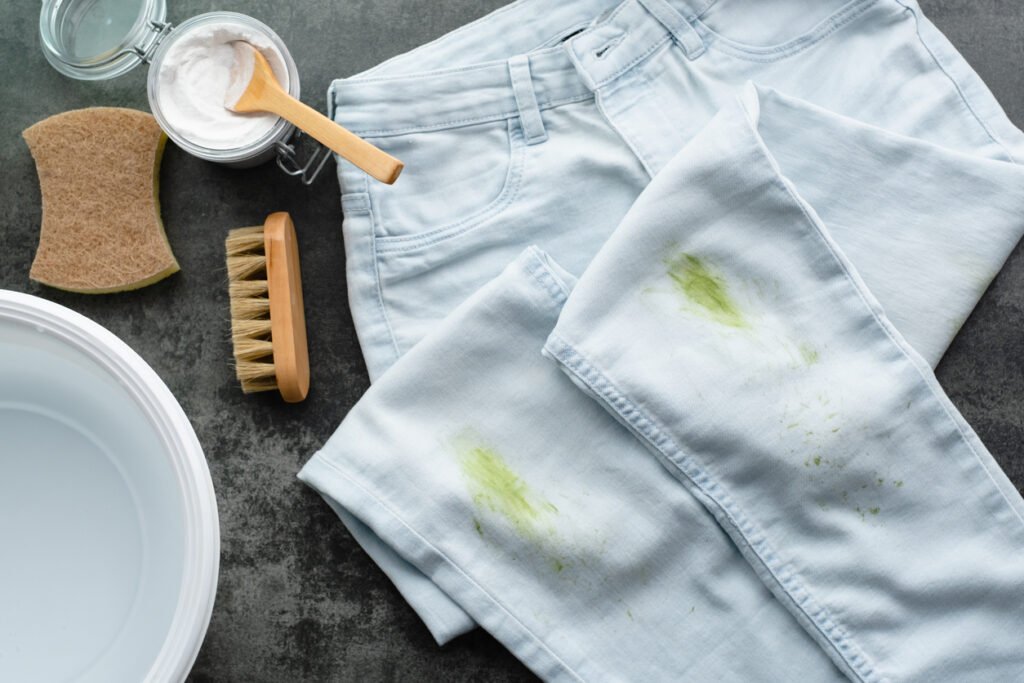
Stains from blood, wine, and grass are tough to remove. Before washing, put a little hydrogen peroxide on the stain, let it sit for a few minutes, then wash. Always test a hidden area first for color safety.
2. Whiten Dingy Whites
If your whites look dull, hydrogen peroxide can brighten them. Add 1 cup of 3% hydrogen peroxide to your washing machine’s drum or bleach compartment with your usual detergent. Use warm water. This works for white T-shirts, socks, and sheets.
If you soak laundry, mix 1 cup of hydrogen peroxide with warm water and soak whites for 30 to 60 minutes before washing. This removes dirt and yellowing.
3. Deodorize Clothes and Towels
Smelly towels and workout clothes can hold stubborn odors from bacteria. Adding hydrogen peroxide helps break down odor-causing bacteria without damaging fabric. Pour about half a cup into the wash cycle with your detergent. You’ll notice fresher-smelling laundry, free of heavy scents.
4. Brighten Colored Clothes Safely
While you should avoid using chlorine bleach on colored clothes, hydrogen peroxide can gently brighten many colored fabrics. Add about half a cup to the wash with your regular detergent. Always test a hidden seam first to make sure the color stays bright. chine
Washing machines can develop mildew and odors. Run an empty cycle with hot water and 1 cup of hydrogen peroxide to clean the drum and kill bacteria. For front-loaders, wipe rubber seals with peroxide and let them air dry.
6. Remove Mold From Rubber Seals
Front-loading washers get mold around the rubber seal. Dab hydrogen peroxide on the mold with a cloth and let it sit for a few minutes. This loosens and removes mold without hard scrubbing.
7. Strip Laundry Buildup
If clothes feel stiff or dull from detergent buildup, strip them with hydrogen peroxide. Fill a tub with hot water, add 1/2 cup of hydrogen peroxide, and your regular detergent. Soak clothes for an hour, then rinse and wash as usual.
Hydrogen Peroxide vs. Bleach: What’s the Difference?
People often compare hydrogen peroxide to chlorine bleach for laundry. Both disinfect, but in different ways. Chlorine bleach can harm fabrics, especially colored ones, and has a strong smell. Hydrogen peroxide breaks down into water and oxygen, leaving no harsh residue.
The CDC says oxygen-based cleaners are effective sanitizers and are less harsh on fabrics and surfaces than chlorine bleach. This makes hydrogen peroxide a good choice for people wanting clean, bright laundry without strong chemicals.
Is Hydrogen Peroxide Safe for Laundry?
Hydrogen peroxide is safe for laundry when used at the right strength and handled carefully. Use the common 3% solution from stores. Stronger types (over 6%) can fade colors and weaken fabrics.
Always do a spot test on a hidden part of the fabric before applying peroxide directly. This helps you avoid accidental damage. Use cold or warm water, not hot, to preserve fabric and color.
Helpful Tips for Using Hydrogen Peroxide in Laundry
- Always do a spot test before using hydrogen peroxide directly on fabric.
- Do not mix hydrogen peroxide with chlorine bleach; it can create harmful fumes.
- Use a measuring cup to avoid overusing peroxide in your washer.
- Store hydrogen peroxide in a dark, cool place because light breaks it down.
FAQs About Hydrogen Peroxide in Laundry
Should I Wear Gloves When Using Hydrogen Peroxide?
Yes, wear gloves to protect your skin, especially if it’s sensitive.
How Long Should I Soak Clothes in Hydrogen Peroxide?
Soak stained clothes for 30–60 minutes before washing. Avoid overnight soaking unless the fabric is heavy cotton.
Can I Use Hydrogen Peroxide on Colored Clothes?
Yes, but always test first. Some dyes may fade, so always test a hidden spot.
How Much Hydrogen Peroxide Should I Use in Laundry?
Use ½ to 1 cup of 3% solution per load, depending on stains and fabric type.
Final Thoughts: Make Your Laundry Better
Using hydrogen peroxide is a gentle and effective way to brighten whites, remove stains, and freshen your clothes. It works well on everyday fabrics and also helps keep your washing machine clean. With a few simple steps and safety tips, you can improve your laundry routine without using strong chemicals. smart, cost-effective laundry boost that fits simple living and home care. Try it today and see the difference it makes in your laundry!

Parker is a home and lifestyle writer at The Scandi Home, where they share a love for Scandinavian design, cozy living, and thoughtful interiors. Their writing focuses on simple, functional spaces that feel calm, warm, and lived-in.