
Outdoor Games: Fun Activities for All Ages to Enjoy Outside
Getting outside and enjoying fresh air can be one of the simplest joys of life.
Outdoor games offer a fantastic way for you to connect with friends and family, create lasting memories, and have fun while staying active.
Whether you’re at a family reunion, a summer barbecue, or just hanging out in your backyard, the right games can turn any gathering into a lively event.
From classic favorites like cornhole and croquet to newer trends like pickleball, the variety of outdoor games available means there’s something for everyone.
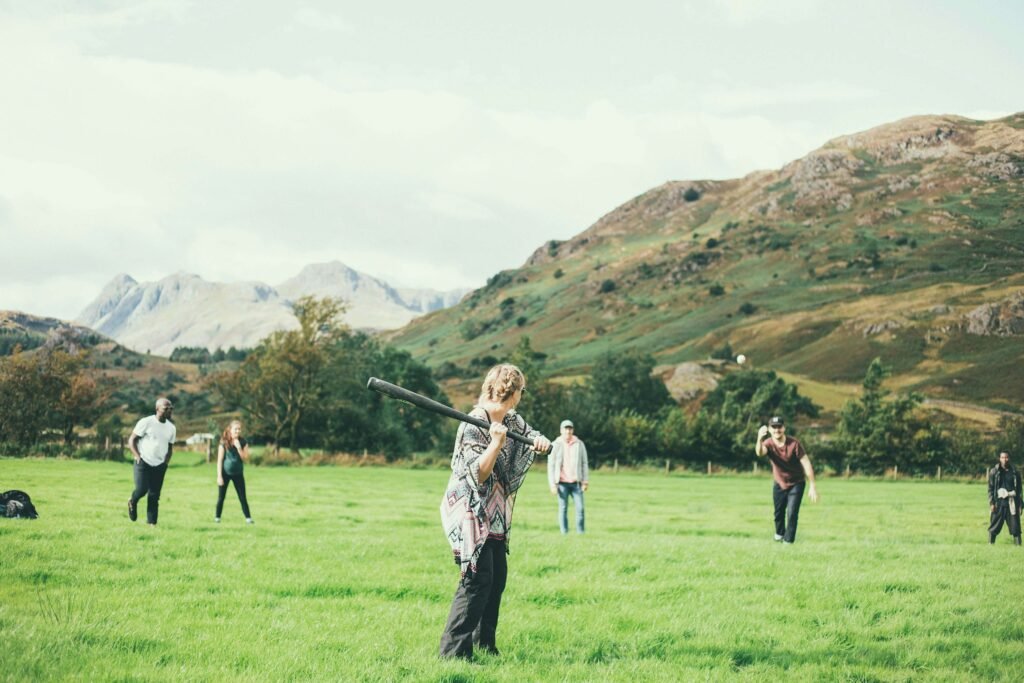
You can choose games that are competitive, cooperative, or just plain silly. This flexibility ensures that everyone can join in the fun, regardless of age or skill level.
So, gather your friends, set up your outdoor space, and get ready to explore some of the best games to play outside.
Let’s dive into the exciting world of outdoor games that will spark joy and laughter during your next outing!
History of Outdoor Games
Outdoor games have evolved significantly over centuries, from ancient traditions to modern forms enjoyed worldwide. Understanding their roots enhances your appreciation of these activities and their cultural significance.
Ancient and Traditional Games
Outdoor games trace back to ancient civilizations, where they served both recreational and social purposes. For instance, games like the Greek Olympic competitions showcased athletic prowess and fostered community spirit.
Similarly, traditional games such as “tag” and “hide and seek” have roots deep in various cultures.
In addition to these, many societies developed unique games reflecting their customs. Native American tribes played games that involved strategy and skill, often on open fields.
Such activities were not just play; they were also integral to community bonding and teaching younger generations.
Development Through the Centuries
As societies evolved, so did outdoor games.
In the 19th century, urbanization led to a need for organized play spaces. This transformation gave rise to playgrounds, making outdoor activities more accessible to children.
The creation of standardized rules helped formalize many games.
In the 20th century, outdoor games expanded with innovations. Classic games, such as “Capture the Flag” and “Kick the Can,” became popular in various regions.
Outdoor play also began incorporating elements from sports, including teamwork and competition. Each era contributed new ideas, ensuring that outdoor games remained relevant to changing cultural contexts.
Types of Outdoor Games
Outdoor games come in various forms, providing fun and physical activity for everyone. This section highlights three prominent types that are enjoyable for all ages: ball games, tag and chase games, and hide-and-seek variants.
Ball Games
Ball games are a staple in outdoor activities and are perfect for team play or individual competition. Whether you enjoy soccer, basketball, or volleyball, these games enhance coordination and teamwork.
Popular Ball Games:
- Soccer: Run, pass, and shoot as you aim to score goals.
- Basketball: Dribble, shoot, and defend to earn points.
- Volleyball: Use teamwork to send the ball over the net and score.
These games can often be played in parks, backyards, or schools, making them accessible and versatile. You only need basic equipment, and everyone can join in the fun!
Tag and Chase Games
Tag and chase games are great for engaging energy and excitement. They usually involve running and strategy, making them ideal for groups.
Examples of Tag Games:
- Freeze Tag: One player is “it” and tags others, freezing them until a teammate unfreezes them.
- Sharks and Minnows: One team (sharks) tries to tag the other team (minnows) as they cross a designated area.
These games improve agility and speed while promoting social interaction and laughter. You can easily set them up in any open area.
Hide-and-Seek Variants
Hide-and-seek is a classic that has inspired various fun versions, perfect for engaging creativity and problem-solving skills.
Notable Variants:
- Hide and Seek Stealth: Players move quietly while others seek them out.
- Sardines: One person hides, and everyone else seeks. When found, they join the hider until others find them.
These variants stimulate both physical activity and critical thinking. Plus, they can accommodate large groups, making them perfect for gatherings!
Benefits of Playing Outdoor Games
Engaging in outdoor games offers numerous advantages for children. The benefits touch on physical health, mental well-being, and the development of essential social skills. Exploring these areas can highlight the importance of outdoor activities in your child’s life.
Physical Health Advantages
Outdoor games are crucial for your child’s physical growth. They promote gross motor skills, as activities like running, jumping, and climbing stimulate the use of large muscle groups.
This regular physical activity enhances strength, endurance, and coordination.
Exposure to sunlight during outdoor play aids in the production of vitamin D, vital for bone health. Additionally, it helps mitigate the risk of childhood obesity by promoting an active lifestyle.
Outdoor play encourages children to engage in unstructured physical activity, which is beneficial for maintaining a healthy weight.
Mental Well-being
Playing outside significantly contributes to mental health. Engaging in physical activities can lead to reductions in stress and anxiety levels.
When children play outdoors, they experience a connection with nature that supports mindfulness and relaxation.
Outdoor games also stimulate creativity and enhance problem-solving skills. The freedom to explore their environment allows children to develop resilience and adaptability.
Being outside encourages a positive mood and can improve focus and attention in other areas, like schoolwork.
Social Skills Development
Outdoor games provide valuable opportunities for developing social skills. When children play in a group, they learn to communicate effectively and collaborate with their peers.
These activities foster teamwork, as kids work together to achieve a common goal.
Conflict resolution is another essential social skill honed through outdoor play. Children learn to navigate disagreements and find solutions, which is crucial for building strong relationships.
Additionally, outdoor games often involve turn-taking and sharing, reinforcing the importance of fairness and respect for others.
Organizing Outdoor Games
Creating a fun outdoor game event involves thoughtful preparation catering to participants of all ages. Knowing how to set up games appropriately and ensuring safety can make your gathering memorable.
Setting Up Games for Different Age Groups
When planning games, consider the age and skill levels of participants. Tailor activities accordingly to keep everyone engaged.
For younger kids, simple games like “Duck, Duck, Goose” or “Simon Says” are ideal. These require minimal setup and provide lots of laughs.
For teens and adults, more competitive games like tug-of-war or relay races can create excitement.
Mixed-age teams can foster inclusion. Think of activities like scavenger hunts where tasks are adjusted by difficulty, ensuring no one feels left out.
Games such as giant Jenga or cornhole work well for all ages. They are easy to set up and offer interaction without needing extensive rules.
Safety Considerations
Safety is crucial when organizing outdoor games. Start by selecting a suitable location with enough space for activities.
Check for hazards like sharp objects or uneven ground. It’s wise to have a first-aid kit on hand for minor injuries.
Encourage participants to wear comfortable clothing and proper footwear. Make sure to emphasize staying hydrated, especially on warm days.
You should consider weather conditions too. If rain is in the forecast, have a backup plan for indoor games.
Explain rules clearly before starting to prevent misunderstandings and injuries. Lastly, keep an eye on the participants to ensure that everyone is enjoying themselves safely.
Popular Outdoor Games Around the World
Outdoor games vary greatly across the globe, showcasing unique cultural elements and traditions. Exploring these games can lead to fun and engaging experiences for you and your family. Here’s a closer look at some popular games from different regions.
North America
In North America, children often play Tag and Capture the Flag. These games emphasize speed and strategy, making them favorites during recess and gatherings.
Tag involves players chasing each other, trying to catch and tag someone else. Variations, like freeze tag, add unique twists.
Capture the Flag divides players into two teams, each protecting their flag while attempting to capture the opponent’s flag. This game encourages teamwork and strategic thinking, making it both fun and educational.
Other games like Kickball blend elements of baseball with soccer. Players kick a rubber ball instead of hitting it with a bat, promoting active play and inclusivity.
Europe
Europe boasts a variety of traditional outdoor games like Petanque and Kubb.
Petanque, popular in France, involves tossing metal balls to get as close as possible to a smaller target ball. It’s a social game generally played on gravel, perfect for gatherings.
Kubb, originating from Sweden, is played on a rectangular pitch with wooden blocks (kubbs) set up at each end. Players throw wooden sticks to knock down the opponent’s kubbs, aiming to tap the king on the opposite side.
These games focus on skill and strategy and are often suitable for players of all ages, making them a great family-friendly activity.
Asia
Asia features a rich array of outdoor games like Mancala and Kite Fighting.
Mancala is played on wooden boards with pits. Players strategically place stones or seeds. The goal is to capture more pieces than your opponent, fostering critical thinking skills.
Another popular game is Kite Fighting, where competitors fly kites and try to cut each other’s strings. This vibrant pastime is especially prevalent in countries like India. It involves skillful maneuvering and tactical planning.
Seven Stones or Satoliya is common in South Asia. Players knock down a stack of stones and then try to restore them, while the opposing team tries to tag them out. Each of these games provides not just fun but also a glimpse into local traditions.

Parker is a home and lifestyle writer at The Scandi Home, where they share a love for Scandinavian design, cozy living, and thoughtful interiors. Their writing focuses on simple, functional spaces that feel calm, warm, and lived-in.